
Olives are a crowd-pleaser at any table, and there's a good reason for it.
They bring a unique blend of flavors that's hard to find in other foods.
From the rich and savory, to the slight bitterness, and even a touch of sweetness, olives have it all.
We've got the scoop on what makes olives an absolute must-try.
Think of them as the perfect snack that dances on your palate.
And it's not just about snacking; they add a kick to dishes too.
Olives aren't just another item in your grocery list; they're a gateway to a flavorful experience.
What are Olives?

Olives are small, round fruits that come from the olive tree.
Yes, they're fruits, and more technically, a type of drupe (also known as stone fruits).
Drupes are fruits with a hard pit in the center, like peaches, plums, cherries, and, of course, olives.
In olives, the pit is what's responsible for the prized olive oil.
Native to the Mediterranean Basin, the evergreen olive tree is one of the oldest trees in the world and has been cultivated for centuries.
However, today, olives are grown worldwide in countries like Spain, Italy, Greece, Morocco, Turkey, Chile, and California.
Interesting fact: About 800 million olive trees are growing on earth currently.
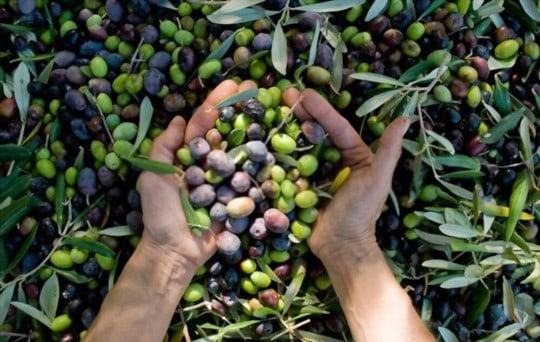
Appearance-wise, olives can range in color from deep purple to bright red to light yellow.
The color doesn't affect the taste; it just indicates how ripe they are.
They're generally bitter, tangy, or sweet, depending on the variety.
Some of the most popular types of olives include Kalamata, Picholine, and Niçoise olives.
Kalamata olives are often used in Greek cuisine and have a deep, rich flavor.
Picholine olives are common in French cuisine and have a slightly nutty flavor.
On the other hand, Niçoise olives are widely used in Italian cuisine and have a slightly fruity flavor.
Sweet and tart profiles often complement fruits differently; lemon dessert pairings for baking lists nine flavors that work especially well with citrus in sweets.
What Do Olives Taste Like?
Now let's get to the good stuff- the taste.
Most olives taste slightly bitter and salty since they're usually cured in brine (water and salt solution).
The curing process helps preserve the olives and give them their unique flavor.
Olives can also be flavored with other ingredients, such as herbs, spices, or cheese.
Their taste can be quite different.
They tend to have a stronger and bitter flavor as they contain high levels of oleic acid.
If you've never had an olive before, it's hard to describe exactly what they taste like - compare with an acai berry taste guide for contrast to get a sense of how different fruit flavors read.
But if you've tried other bitter or salty foods, such as capers, you might have a good idea of what to expect.
Olives are definitely an acquired taste, but once you get used to them, they can be quite addictive.
Apart from their unique flavor, olives also shine in the health department.
They're a good source of healthy fats, antioxidants, and vitamins, and they've been linked with a lower risk of heart disease, cancer, and other chronic conditions.
So, if you're looking for a delicious and nutritious snack, olives are a great option.
How to Prepare and Cook Olives?
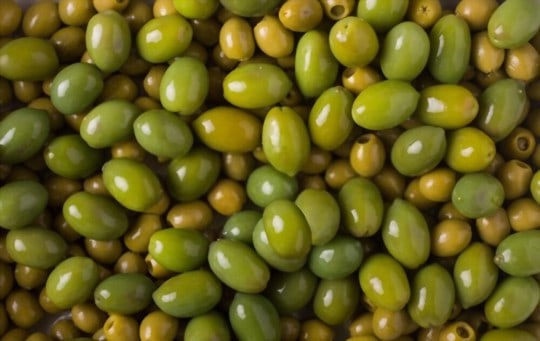
Olives are a popular food that has been around for centuries.
They're typically eaten as a snack or side dish and can be found in many different cuisines across the globe.
And the is, these little greenish drupes aren't hard to work with at all.
If you're working with raw olives, the first step is to remove the pit.
To do this, cut the olive in half lengthwise and then use your thumb for popping the pit out.
If the olives are too small to cut in half, you can give them a good squeeze until the pit pops out.
Then, you can simply add the olives to your dish.
Olives go extremely well with other Mediterranean ingredients, such as feta cheese, tomatoes, cucumbers, and herbs - and they pair nicely with veggie sides that cook quickly for weeknight meals when time is short.
And, of course, you can always add them to your pizza or pasta dish for a little extra flavor.
If you're working with canned olives, the process is even simpler.
Just open the can and drain the olives in a colander.
Then, give them a quick rinse under cold water to get rid of any excess salt.
And that's it- they're ready to eat.
Another popular way to prepare olives is to stuff them.
You can start by removing the pit and stuffing the olive with various fillings, such as cheese, nuts, or meats.
Once they're stuffed, you can cure them in brine first.
To do this, simply soak the olives in a solution of water and salt for 1-2 weeks.
This will help to soften them up and give them their characteristic flavor.
Final Thought
Olives are a delicious and nutritious food that has been enjoyed for centuries.
They're a flexible ingredient that can be used in many different dishes, and they offer a unique flavor that is perfect for adding a little zing to your meals.
Olives are also a healthy option, as they're a good source of healthy fats, antioxidants, and vitamins.
Frequently Asked Questions
They bring a unique blend of flavors that's hard to find in other foods. From the rich and savory, to the slight bitterness, and even a touch of sweetness, olives have it all.
Olives aren't just another item in your grocery list; they're a gateway to a flavorful experience.
Olives pairs well with ingredients that complement its natural flavor. Try it alongside contrasting textures and seasonings to find combinations you enjoy.
Does freshness affect how it tastes?
Yes, noticeably.
Fresh versions tend to have a brighter, more pronounced flavor.
Older or improperly stored versions can taste muted, sour, or slightly off - freshness matters here.
Start with a preparation that shows its natural flavor without overwhelming additions. Simple seasoning and a familiar context - alongside something they already enjoy - eases the introduction.
Black and green olives have distinct textures and culinary roles - black versus green olive comparison clarifies the differences. Nicoise versus Kalamata olive comparison helps decide which variety suits a specific dish.