
Parsley's not just a garnish on the side of your plate. This leafy herb packs a punch in flavor and health benefits. We've all been there, standing in the grocery aisle, puzzled over the choice between parsley and Italian parsley.
They might look similar at first glance. Yet, these two are not the same player in the kitchen game. We learned this the hard way after a rather bland soup incident.
Each has its unique vibes and uses. Stay tuned, as we break down the differences.
What is Parsley?
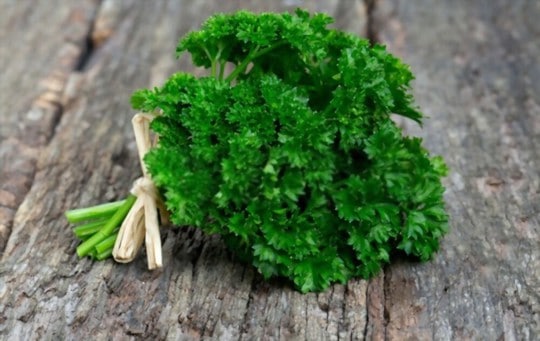
Its leaves are recognized for their distinct flavor and aroma, and are often used in dishes for seasoning or garnishing purposes.
Parsley leaves can be flat or curly, with the former being milder in taste compared to the latter.
These nutrient-dense leaves have been known for their numerous health benefits since ancient times.
What is Italian Parsley?
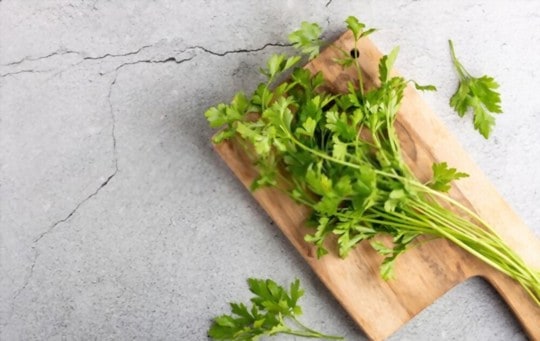
It is a member of the Apiaceae family, which includes celery and carrots.
What distinguishes Italian parsley from regular parsley is its flat leaves, which have a stronger flavor and aroma than curly leaf parsley.
This herb has been a staple ingredient in Italian dishes for centuries due to its versatility in improving the flavor of any dish.
In addition to being an excellent taste enhancer, Italian parsley also carries numerous health benefits.
It contains high levels of Vitamin K, which helps with blood clotting and reducing the risk of osteoporosis.
Also, it contains antioxidants such as lutein that promote eye health and reduce inflammation in the body.
Its anti-inflammatory properties make it a useful ingredient for individuals with autoimmune disorders or chronic inflammatory conditions.
Overall, Italian parsley holds great culinary value due to its distinct taste profile and proven medical benefits.
Despite its popularity in the Mediterranean region, it has now become a worldwide kitchen staple due to its versatile nature.
Differences Between Parsley and Italian Parsley
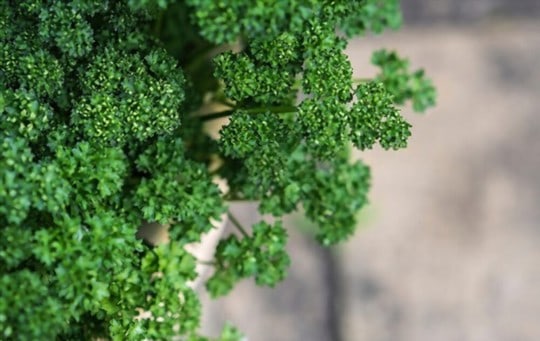
Parsley has curly and crisp leaves with a mild flavor, while Italian Parsley has flat leaves with a more strong flavor and is commonly used in Mediterranean cuisine.
1 - Appearance and Leaf Structure
Appearance and Leaf Structure are significant factors in identifying the differences between Parsley and Italian Parsley.Here are some essential points towards distinguishing them:
- Italian parsley has flat, leafy stems while Parsley possesses more curly leaves.
- The leaves of Italian parsley are larger than Parsley's with fewer serrations on its edges.
- Parsley has a slightly darker shade of green in comparison to Italian Parsley's lighter shade.
- Italian parsley bears a milder flavor than the more intense taste of regular parsley.
- The stems of Italian parsley tend to be tougher than Parsley, which makes its usage more limited.
However, other differences might arise when considering seasonality as well as culinary uses.
2 - flavor and Aroma
Italian parsley and curly parsley share a common flavor, but the Italian variant possesses two key differences in terms of aroma and taste.When compared to curly parsley, Italian parsley has a less intense flavor and a more delicate smell that is described as slightly bitter, with hints of citrus.
It is perfect for adding subtle background flavors to dishes without overpowering other ingredients.
Also, the herbal fragrance of Italian parsley often has hints of anise or licorice and is ideal for garnishing plates because of its shiny leaves.
On the other hand, curly parsley has a much stronger herbaceous flavor combined with light bitterness while its aroma is not so evident.
3 - Culinary Uses and Recipes
Italian parsley and curly parsley are both types of parsley found in the market, and each serves different culinary purposes.Parsley is a flavor-improving ingredient for many dishes from salads to soups, while Italian parsley is specifically used in Mediterranean cuisine such as pizza or pasta sauce.
Both types of parsley are easy to incorporate into your recipes: chopped parsley can be used as a garnish, seasoning, or as an ingredient in marinades or dressings.
Curly parsley adds texture to dishes but has a milder flavor than Italian parsley.
On the other hand, Italian parsley has flat leaves, which make it perfect for mixing with other sauces without changing the color of your food.
these two varieties have slightly different tastes; curly parsley has a subtle taste, whereas its counterpart carries a stronger hint of bitterness that goes well with fish-based dishes or roasted vegetables.
Ultimately it comes down to personal preference when selecting which type of parsley is best suited to your recipe needs.
4 - Cultural and Regional Significance
Parsley, a popular herb in Mediterranean, Middle Eastern and European cuisines, has significant cultural and regional importance.Italian parsley, also known as flat-leaf parsley, is commonly used in Italian cuisine for its strong flavor.
On the other hand, curly leaf parsley is preferred in American cooking for its decorative qualities.
Parsley's significance goes beyond just cooking.
In many cultures, it is considered a symbol of life and prosperity.
In ancient Greece, athletes were crowned with wreaths made of parsley as a sign of victory.
The herb has also been used in traditional medicine for its anti-inflammatory properties.
Also, parsley has become a part of religious traditions as well.
In Christianity, it is used during the Holy Week as a reminder of the bitter herbs eaten by Jews during their flight from Egypt.
Similarly, in Judaism, it is one of the components of Passover Seder plate.
In summary, both Italian and curly leaf parsley bring unique flavors to various cuisines but also have cultural and regional significance beyond their culinary use.
Similarities Between Parsley and Italian Parsley
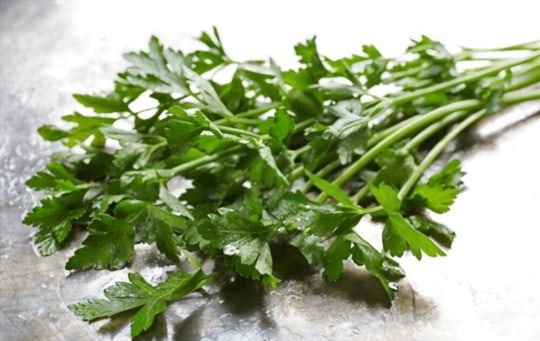
They share several similarities in terms of their physical appearance, taste, aroma, and nutritional content.
Both variants have bright green leaves that are lightly curled or flat, with a fresh fragrance and slightly bitter taste.
They are rich in vitamins A, C, and K, iron, calcium, and potassium - all essential nutrients for human health.
In culinary usage as well, both parsley varieties can be used similarly - either it is for garnishing salads or cooked dishes.
Italian Parsley also known as Flat-leaf parsley has a stronger flavor than Curly leaf parsley which makes it ideal to use in cooking recipes where parsley is needed such as lasagna, soup, potatoes etc.
Health Benefits and Nutritional Value Comparison
When considering which herb to use in your cooking, it's important to compare the health benefits and nutritional value of parsley vs Italian parsley.Both herbs offer numerous health benefits such as anti-inflammatory properties, aiding in digestion and helping to maintain healthy skin.
However, Italian parsley contains higher levels of vitamins A and C, as well as calcium and iron compared to regular parsley.
These nutrients are essential for maintaining a strong immune system, healthy bones and teeth.
So when choosing between the two, consider the specific nutritional needs you are looking to fulfill in your diet.
Tips on Using
The right use of parsley is essential to bring out its true flavors to the dishes.Here are four practical tips to help you make the most of parsley:
- Choose fresh parsley from a reputed supplier or farm market.
- Keep in mind the amount of parsley you need for your recipe.
- Clean and chop the parsley finely with a sharp knife and remove stems before use.
- Add parsley at the end phase of cooking.
Hence, Italian Parsley is more suited for dishes like pasta, soups, and stews.
While regular curly leaf Parsley can be used as a garnish or mixed along with vegetables and salads.
Use these tips to amp up your cooking game and add great taste with this amazing herb.
Culinary Uses: Parsley vs Italian Parsley
Comparing Parsley and Italian Parsley can be subjective, but both have unique properties that make them suitable for different recipes.While Parsley has a bitter and peppery taste, Italian parsley is milder and sweeter, making it perfect for salads and soups.
On the other hand, regular parsley is commonly used as a garnish and adds flavor to stews, marinades or meat dishes.
Overall, choosing between Parsley or Italian Parsley depends on the intended use of recipes.
If you are looking to add flavor to hearty dishes or as a garnish with striking appearance go with regular parsley; if mildness or sweetness is needed in salads and soups, it would be better to opt for Italian parsley.
Frequently Asked Questions
Focus on recipes with straightforward steps and ingredients you recognize. The best ones deliver great results without requiring specialty equipment or hard-to-find items.
Most Parsley vs Italian Parsley: Which is a Better Opti recipes need only standard kitchen equipment - a good knife, a cutting board, and one or two pans. A few may call for a blender or baking dish depending on the style.
Most recipes can be adapted by swapping the protein, using plant-based dairy, or choosing gluten-free starches. The base flavors and techniques usually stay the same regardless of the substitution.
A sharp knife, a cutting board, and one good pan cover the majority of recipes here. Some may need a baking sheet or blender, but specialized tools are rarely required.