
Pastrami has its roots deep in culinary history, a masterpiece of meat that's as complex as its seasoning. Boldly speaking, it's not just food; it's an experience.
We've all had that moment, standing at a deli counter, eyeing the marbled slices. Yet, how many of us truly stop to savor its detailed flavors?
In this taste test, we're digging deep. Not just into the sandwich, but into the essence of pastrami.
It's smoky, it's sweet, and boy, does it pack a punch of spice.We've all shared that puzzled look with friends over a pastrami sandwich, "What am I tasting?" Today, we unravel that mystery together.
What is Pastrami?
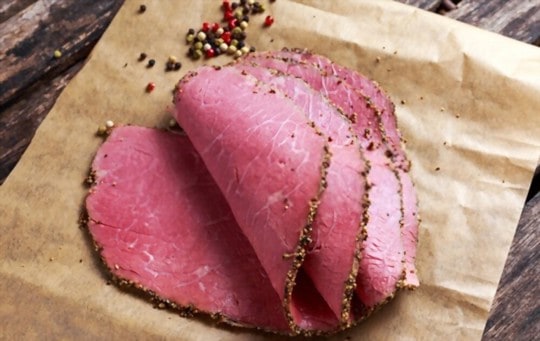
The curing process involves rubbing the meat with a blend of salt, sugar and spices such as coriander, black peppercorns, garlic and mustard seeds before it is left to cure for several days.
Once cured, the meat is smoked over hardwood chips and then steamed until it's tender.
What Does Pastrami Taste Like?
 Save for Later!
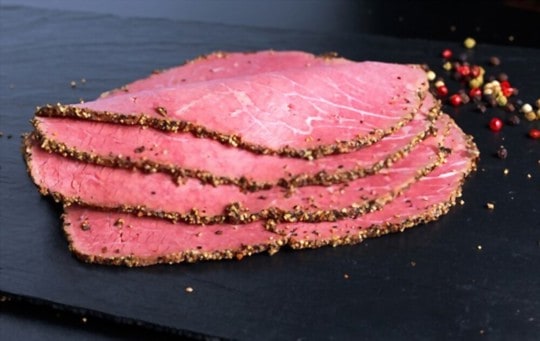
Its flavor can be described as rich, smoky, and slightly spicy.
The meat itself is usually made from beef brisket that is coated in a blend of spices, including coriander, black pepper, and garlic.
This mixture is then smoked and cooked until the meat becomes tender and flavorful.
When you take a bite of pastrami, you'll notice its smoky taste first followed by its subtle spiciness.
The texture is also noteworthy because it is soft yet firm enough to hold up well in sandwiches or on its own.
This makes it perfect for pairing with other ingredients like cheese or mustard.
Interestingly, the traditional method of making pastrami involves a lengthy process of curing the brisket in brine before smoking it.
This process adds complexity to the overall flavor and enhances its tenderness.
Overall, pastrami has a distinct taste and texture that sets it apart from other deli meats.
Its unique mix of smokiness and spiciness make it a favorite among food enthusiasts around the world.
Ingredients and Seasonings that Affect the Taste of Pastrami
Pastrami is a flavorful and delicious meat that has many ingredients and seasonings that impact its taste.Some of the primary ingredients used in making pastrami include beef brisket, salt, sugar, pepper, garlic, coriander seeds, and paprika.
The seasoning blend used to cure the beef plays a significant role in adding flavor to it.
Other factors that affect the taste of pastrami include smoking methods, cooking techniques and time taken to prepare it.
The quality of the meat used to make pastrami is also important as it affects the overall flavor of the dish.
Even with high-quality meat, if it is not properly cured or cooked, it can significantly alter the taste of pastrami.
On top of this, the texture and moisture content differ based on cooking methods such as steaming or roasting.
Also, some people prefer their pastrami lean while others like it fatty.
These preferences affect how enjoyable they find eating pastrami as fat creates a melt-in-your-mouth effect when properly cooked.
Overall there are several factors involved in producing tasty pastrami making it unique every time you eat it making every bite excellent in flavor and texture.
1 - Beef
Beef is the primary ingredient used in preparing pastrami.It is a well-known meat that is commonly served in many cuisines around the world.
There are several cuts of beef that can be used, but most pastrami makers choose brisket or navel cuts due to their texture and tenderness.
These parts are usually soaked in brine before being seasoned with herbs and spices, then smoked or steamed until fully cooked.
Pastrami made from beef has a distinctive smoky flavor that comes from the cooking process.
It also has a slightly spicy taste because of the peppercorn and other seasonings used during preparation.
The texture of pastrami ranges from firm to tender, depending on how long it was cooked and its cut.
Unique to beef-based pastrami is a delicate balance between saltiness, sweetness, sourness, and bitterness which gives it an incredible depth of flavor.
Also, one can easily identify this unique taste when compared with other types of meat-based pastramis like turkey or salmon.
2 - Brine and Spice Rub
The flavor of pastrami is attributed to the brining process and spice rub used on the meat.- A salty and sweet brine is applied to the beef brisket for up to a week, which helps break down the tough muscle fibers and infuses it with flavors.
- Afterwards, a spice rub consisting of garlic, coriander, black pepper and other spices are applied before smoking or steaming the brisket.
- The spice rub gives pastrami its signature peppery flavor while the brine provides a balance of sweetness and saltiness.
- The amount of time spent in both the brine and with the spice rub affects the intensity of flavors in each bite.
The result is a deliciously savory and tender meat that has become an American deli staple.
3 - Smoking Process
The process of smoking pastrami is a important element in creating its unique flavor and texture.It involves exposing the meat to smoke for an extended period while maintaining a controlled temperature.
Here's how it works:
- First, select the type of wood chips or chunks you want for smoking. Popular options include hickory, applewood, and mesquite.
- Next, prepare the meat by rubbing it with a blend of spices that gives it its signature flavor. This typically includes black pepper, coriander, and garlic.
- Then, place the meat in the smoker and maintain a temperature between 225°F and 250°F for several hours until it reaches an internal temperature of around 190°F.
- Finally, allow the pastrami to rest for at least 30 minutes before slicing it thinly against the grain.
However, this method does not produce an authentic taste compared to traditional smoking methods.
Texture and Appearance of Pastrami
 Save for Later!
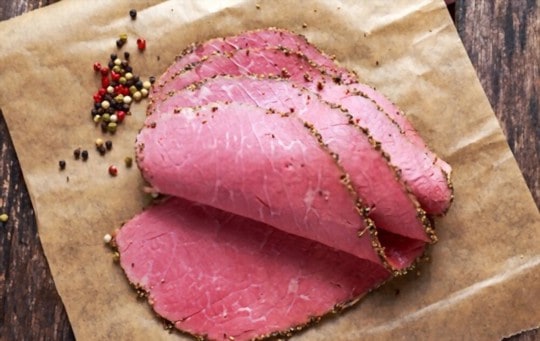
Its rich maroon shade and bold aroma give freshness to the eyes and nose.
The texture is chewy, yet soft enough to easily bite through without crumbling.
The visible fat patches lend a pleasant mouth-feel whereas the blackened layer on top provides a slightly crispy crunchiness that adds extra flavour with each bite.
The appearance of Pastrami varies depending on the process and ingredients used in its preparation.
Usually, it is thinly sliced and served as cold cuts, but some prefer their Pastrami heated or grilled for better texture and taste.
The edges are often darker brown where the spices used to coat the meat have caramelized during cooking.
Interestingly, Pastrami's unique flavor comes from its methods of curing and smoking.
The traditional method involves rubbing beef brisket with different spices like garlic, pepper, coriander, and sugar before simmering in brine for several hours, followed by smoking over hickory wood chips.
Such complex preparations result in a juicy, flavorful meat that gives one an experience worth remembering.
How is Pastrami Prepared and Cooked?
Pastrami is a popular meat dish with origins in Romania and brought to the United States in the 19th century.
This flavorful treat can be found in many delis and restaurants, and its preparation requires some time, effort and patience.
To prepare pastrami, one must start with an uncooked cut of beef brisket or round.
The meat is then coated with a mixture of spices, typically including but not limited to black pepper, paprika, garlic, and coriander.
The meat is then allowed to marinate for several days so that the flavors can fully penetrate the meat.
After marination, the meat is then cooked by first being smoked over low heat for several hours until it reaches an internal temperature of 160-165 degrees Fahrenheit.
Once this is achieved, the meat can either be served hot or cold depending on preference.
It may also be sliced thinly for sandwiches or chopped for use in stews or other dishes.
A tasty way to prepare pastrami includes using a smoker or grill.
Preheat your appliance to at least 225 degrees Fahrenheit and place your prepped pastrami onto the grates for smoking or grilling.
Be sure to baste it regularly with any marinade left over from earlier preparation.
In summary, preparing pastrami requires thoughtful seasoning techniques followed by adequate cooking time through smoking or grilling processes.
There's no denying that this delicious food requires patience and perseverance, but it's worth all the effort when you finally taste it.
Serving Suggestions and Pairings for Pastrami
Pastrami is a popular and savory delicacy that has a unique flavor.If you're wondering what types of foods pair well with Pastrami, here are some Servings Suggestions and Pairings that can help improve the taste of Pastrami.
- Pairing pastrami with rye bread, sauerkraut, Swiss cheese, and Russian dressing is an ideal way to enjoy a Reuben sandwich.
- A classic combination is serving cold pastrami alongside pickles, pickled onions, spicy mustard, and crackers or toast.
- You can also add it to your pizza as a topping. The flavor of pastrami complements nicely with tomato sauce and cheese.
You can experiment different cuisines like Mexican or Italian dishes by incorporating pastrami in them.
The versatility of pastrami makes it perfect for creating fusion dishes too.
Regional Variations and Popular Dishes with Pastrami
When it comes to regional variations and popular dishes with pastrami, there are several interesting aspects to explore.- Pastrami is a staple food item in Jewish delis across the United States, especially in New York City where it first gained popularity.
- In Montreal, Canada, pastrami is served on rye bread with dill pickles and mustard as part of the famous smoked meat sandwich.
- Pastrami has also become a popular ingredient in breakfast dishes like eggs benedict and hash.
- In recent years, new variations of pastrami have emerged, such as turkey or salmon pastrami.
- The addition of pastrami can make any dish more flavorful, including mac and cheese, pizza and burgers.
- Beyond its traditional use as a deli meat, pastrami has also been incorporated into creative sushi rolls at some restaurants.
Whether you're enjoying it in a classic sandwich or trying out an innovative new dish featuring pastrami as one of the key ingredients, there's no denying the delicious complexity of flavor that it brings to any meal.
Pastrami Flavor Breakdown
Pastrami is a delicious deli meat obtained from beef brisket and seasoned with various spices.The meat undergoes a long curing process, which gives pastrami a unique taste that is irresistible to many people.
When eaten, the sweet smoky flavor of the meat blended with pepper and garlic spices creates an explosion of flavor in the mouth.
Pastrami tastes tender and juicy, making it ideal for sandwiches and salads.
Another point to note is that different brands have their unique blend of herbs and use varying methods, meaning flavors can vary between brands.
Depending on your taste preference, you may prefer some brands over others.
Frequently Asked Questions
Yet, how many of us truly stop to savor its detailed flavors? In this taste test, we're digging deep.
It's smoky, it's sweet, and boy, does it pack a punch of spice. Try it in a few different preparations to find which version you prefer.
What pairs well with Pastrami Really?
Pastrami Really pairs well with ingredients that complement its natural flavor.
Try it alongside contrasting textures and seasonings to find combinations you enjoy.
Yes, noticeably. Fresh versions tend to have a brighter, more pronounced flavor.
Older or improperly stored versions can taste muted, sour, or slightly off - freshness matters here.
Start with a preparation that shows its natural flavor without overwhelming additions. Simple seasoning and a familiar context - alongside something they already enjoy - eases the introduction.
Pastrami sandwiches pair well with hearty sides. pastrami sandwich side dish ideas lists seven top options. best cheeses for pastrami explains which cheeses complement the meat.