
Poached eggs are a delicious yet surprisingly simple way to enjoy breakfast.
Both is this cooking technique incredibly versatile, but it's also been around for centuries.
We can trace its origins back to the ancient Romans and Greeks, who used to poach their eggs in wine or milk.
We'll also go through the steps to achieve a perfectly cooked poached egg every time.
Finally, we will cover some tasty ideas for how you can use your freshly poached eggs in various recipes.
So get ready to learn all about one of the most popular breakfast dishes out there.
flavor of Poached Eggs

Poached eggs are a unique treat.
The soft, tender egg whites wrap around the velvety-smooth yolk to create an incredible taste experience.
They have a delicate, rich flavor that is unlike any other type of egg dish - similar to how guinea fowl eggs taste guide describes a distinctive profile.
The most noticeable difference between poached eggs and other types of eggs is the texture.
Compared to boiled or fried eggs, poached eggs have a much softer and gentler feel.
The egg white is lightly cooked so that it remains liquid-like and juicy, while the yolk remains smooth and creamy.
This creates a unique contrast between the two components that adds complexity to each bite.
The flavor of poached eggs can vary depending on several factors.
The temperature and timing of the poaching process, as well as the quality of the egg itself, all play a role in determining the overall taste.
If done correctly, poached eggs should have an indulgent yet mild flavor that is neither too sweet nor too salty.
The flavor of poached eggs also depends on the ingredients used to season them.
Adding herbs, spices, or even a dash of vinegar can improve the flavor and make for a truly delicious meal.
Experimenting with different flavors is an excellent way to find your favorite combination and create memorable dishes.
Texture of Poached Eggs
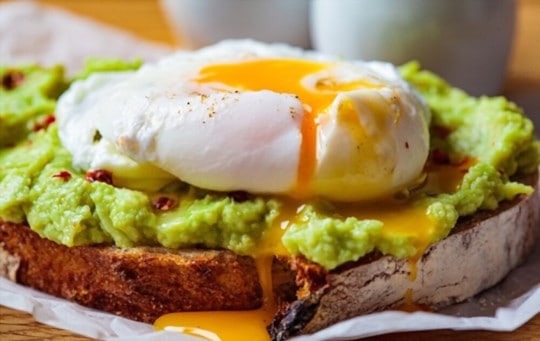
Poached eggs are known for their unique texture - they're silky, soft, and almost jelly-like.
They have a spongy consistency that can be satisfying to the palate when eaten with toast or salad.
The texture of poached eggs is unlike any other type of egg preparation - for contrast, pickled eggs texture and flavor shows a firmer, vinegar-soaked result.
Fried eggs, for example, have a crispy outside and a gooey, runny center.
Scrambled eggs are similarly soft but have a more uniform texture throughout.
The texture of poached eggs largely depends on the cooking technique used to prepare them.
Too little cooking time may result in a yolk that's still liquid inside, while too much will cause an overly firm texture that can be off-putting to some.
Other factors, such as the temperature of the water and the size of the egg, also influence the final texture.
For a perfectly poached egg with optimal texture, cook them in boiling water for roughly three minutes.
This amount of time allows for an outer white that is cooked through while still leaving a creamy yolk on the inside.
If you prefer slightly firmer yolks, increase the cooking time by 30 seconds or so.
For even softer yolks, reduce cooking time by 30 seconds or lower the heat of your stovetop burner to low before adding eggs to boiling water.
Also, increasing/decreasing egg size may result in firmer/softer textures as well.
Preparation of Poached Eggs
Poached eggs are a great healthy alternative to fried or scrambled eggs and the perfect way to start your day - or experiment with quail eggs small eggs, big taste for a petite twist.
With just a few simple steps, you can have a delicious poached egg in no time.
Here's a step-by-step guide to making perfectly poached eggs:
- Bring a pot of water to a low boil. Once boiling, reduce the heat and let the water simmer - it should be barely bubbling.
- Crack your egg into a small bowl or cup and carefully slip it into the simmering water. Make sure you don't drop it in too hard, as this can break the egg.
- Leave the egg in the water for about three minutes or until it is cooked to your liking. You can use a slotted spoon or skimmer to check on it periodically and make sure that all parts of the egg remain submerged.
- Once done, remove the poached egg from the water with a slotted spoon or skimmer. You can rest the egg on some paper towels to absorb any excess water.
Tips for Perfect Poached Eggs.
• Use fresh eggs as they're easier to break and hold their shape better in the poacher.
• Make sure the water doesn't boil.
Otherwise, the egg will become tough.
• Use a bit of white vinegar to help keep the egg whites together.
Now that you've mastered the basics, it's time to get creative and try adding some other ingredients - like herbs, spices, or vegetables - for an even tastier meal.
Enjoy your perfectly poached eggs.
How to Serve Poached Eggs?

Poached eggs are a delicious and nutritious meal that can be served in a variety of ways and enjoyed by people of all ages.
Whether you're looking for a quick breakfast option or an elevated dinner dish, poached eggs offer the perfect solution.
Both are poached eggs quick and easy to prepare, but they also provide a great source of protein and vitamins.
Poached eggs are versatile enough to be used in all kinds of recipes, from savory egg sandwiches to flavorful omelets - and they can even complement sweeter plates like poached pears side dish ideas when menus blend sweet and savory.
Popular ways to serve poached eggs include on top of a bed of spinach or kale, over-grilled vegetables, and in a breakfast burrito.
For an elegant presentation, try poached eggs atop a toasted English muffin with hollandaise sauce, or enjoy them on top of your favorite toast.
Accompaniments that pair well with poached eggs include bacon, sautéed mushrooms, roasted tomatoes, and steamed asparagus.
You can also top off your poached eggs with fresh herbs, such as basil, chives, or parsley, for extra flavor.
FAQs
Are poached eggs healthy?
- The answer to this question depends on a few factors. Poached eggs are typically cooked in water, so depending on what other ingredients you use, the nutritional value of poached eggs can vary. Generally speaking, poached eggs are a healthy choice as they are low in fat and high in protein. However, if you add butter or oil to the water when you poach your eggs, they will contain more fat and calories. Also, if you poach your eggs in broth or something that is higher in sodium, then your eggs may be high in sodium as well. So make sure to choose healthy ingredients when poaching your eggs to ensure maximum nutritional benefit.
Can you poach an egg without vinegar?
- Yes, you can poach an egg without vinegar. Vinegar is sometimes added to the water when poaching eggs because it helps to keep the egg whites together and make them more cohesive. However, you don't necessarily need vinegar to successfully poach an egg; simply bringing the water to a simmer and adding some salt can help create a gentle swirling motion that will help keep the egg whites together. Also, using a spoon to carefully lower the egg into the water off the side of a pan can also help form and keep an even shape while poaching your eggs without vinegar.
Can you poach an egg in the microwave?
- Yes, you can poach an egg in the microwave. To do this, fill a bowl or cup with water and then add the egg. Cover the top of the container with a plate or lid and microwave on high for 1-2 minutes; if necessary, you can adjust the time to get desired results. Be sure to remove the egg from the water as soon as the cooking time is complete to prevent overcooking. Keep in mind, however, that microwaving an egg will not produce the same results as traditional poaching and cannot replicate the classic poached egg shape.
Taste Characteristics of Poached Eggs
The taste of poached eggs is a delightfully complex experience.
From the creamy texture to the slight pop of flavor from the yolk, poached eggs can be a versatile and tasty addition to any meal.
The key to making sure that you get the best out of your poached egg is to ensure that you are using the freshest eggs and the correct cooking technique.
With a little bit of practice and patience, you can perfect your poached egg-making skills, and be sure to wow your guests with breakfast creations that are notable.
Egg-citing insights tie broader egg flavors together. Egg-citing Insights: What Do Eggs Taste Like? connects general profiles. What to Serve with Poached Eggs? 7 BEST Side Dishes lists complementary pairings.
Frequently Asked Questions
flavor of Poached Eggs When it comes to flavor, poached eggs are a unique treat. The soft, tender egg whites wrap around the velvety-smooth yolk to create an incredible taste experience.
They have a delicate, rich flavor that is unlike any other type of egg dish.
Some people enjoy Poached Eggs right away while others need a few tries. The flavor can grow on you, especially when paired with familiar ingredients in a dish you already like.
Does it taste different depending on how it is prepared?
Preparation makes a significant difference.
Raw, roasted, fried, and steamed versions each bring out different qualities - sweetness, bitterness, earthiness, or richness - in the same ingredient.
Yes. Different cultivars, origins, or processing methods produce meaningful flavor differences.
If one version did not appeal to you, trying a different variety is worth the effort.