
"What does quince taste like?" would probably be the first question that pops into your mind if you haven't tasted this fruit.
This fruit is often seen at a local supermarket or farmer's market.
This refreshingly yellow fruit looks like a pear and tastes slightly similar.
And some people compare it to an apple.
You can have quince either raw or cooked-the taste changes when it's cooked, as the fruit's aroma becomes more intense and sweeter.
This fruit is often referred to as "the forbidden fruit" mythically and "golden apples" in ancient Greek stories.
Want to know more?
What is Quince?
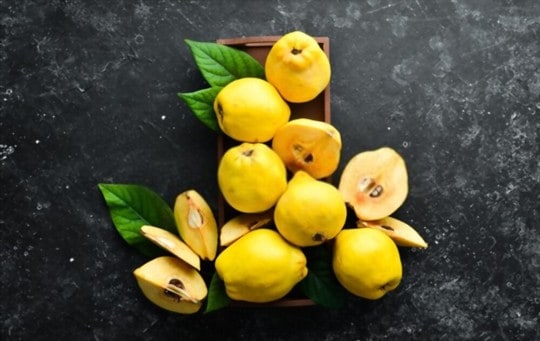
Scientifically known as Cydonia Oblonga, Quince is one of the oldest fruits found in the Greek region.
This fruit belongs to the Rosaceae family, which also includes pears and apples.
Unlike other fruits of this family, quince has grainy and hard texture.
It has thin skin, which is edible, but most people have it peeled.
It's a sour fruit known for its strong aroma like floral and gets more intense when it's ripe.
Quince has a tangy flavor and tastes better when cooked, and most people prefer this way.
Cooked quince removes the sourness and becomes sweeter.
This fruit is commonly used for making marmalades and jams.
In addition, you can use it for baking or poaching.
Quince's bright, citrusy aroma can play a similar role to lemon in sweets - see what pairs with lemon in desserts - best options for inspiration when baking with quince.
What Does Quince Taste Like?
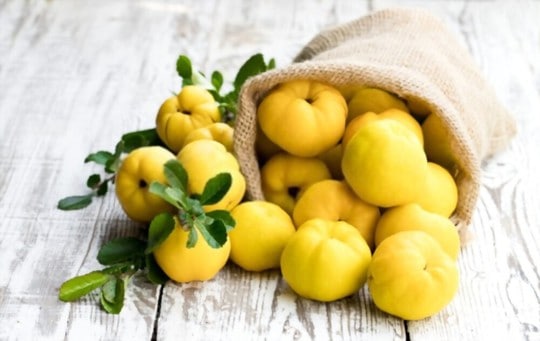
As mentioned earlier, it is sour when eaten raw.
It's like any other citrus fruit but shares a similar texture with pears and apples.
This fruit tastes best when it's cooked.
It's not surprising that this quince is commonly known for baking or making jellies and jams.
Raw quince has a bitter taste and will take two to six weeks to ripe.
If you don't prefer the bitter or sour taste, cooked quince would be a better option as it's softer, sweet, and gives more flavor.
It has a hard texture when raw but becomes mushy and spongy after it is cooked.
Because of its floral and citrus aroma, this fruit has become a popular ingredient in making jam, pies, gin, and jellies.
While you can have this fruit peel, avoid having the seeds in large quantities as it's unsafe.
Quince seeds contain cyanide which causes intestinal inflammation and digestive disorders.
- The nutritional content of quince .
Quinces have a high intake of nutrients despite having a lower caloric value.
It contains essential minerals, vitamins, and fibers.
A 92 gm of quince contains 52 calories, zero fats, 14 grams of carbohydrates, and 1.
75 grams of fiber.
In addition, it's a rich source of vitamin C, Potassium, B vitamins, Iron, and Copper.
This fruit offers various health benefits, including an improved immune system, healthy gut, and reduced inflammation.
For a contrast in tropical berry flavors, see what acai berry tastes like - flavor breakdown to compare tart, earthy notes with quince's cooked sweetness.
How to Cook and Serve Quince?

Many people might have heard of quince but have never tasted it.
Despite being in existence for centuries, this fruit is still unknown to many.
However, in recent years, it has gained traction and has become a common ingredient in different dishes and drinks.
Have you got quinces from your local store, and are you thinking about how to eat or serve with? Perhaps this list below will help you enjoy the fruit in different ways.
Check below some of the popular ways to enjoy quince:
- You can make jelly using ripe quince, honey, spices, and apple cider vinegar. Have it with your oatmeal or as a healthy snack.
- Sprinkle olive oil or butter in a frying pan and sauté quinces. Let it caramelize outside, but the inside should be firm. You can add them to the salads or serve them as an appetizer. .
- Add quinces to baking recipes, including tarts, pies, and empanadas.
- Poach quince balsamic vinegar or orange juice and serve it with green salads and poached eggs.
- Make quince paste and use it for making desserts.
- You can also have this fruit with ice cream and yogurt.
Besides that, you can make different variations of cocktails using this fruit.
For instance, you can mix quince juice and vodka to make a refreshing cocktail like Moscow Mule.
Serve cooked quince alongside quick vegetable dishes - 22 veggie sides that cook in under 12 minutes offers fast, compatible options for weeknight plates.
Final Thought
Now that you know what quince tastes like give it a shot if it's available in your local grocery.
Despite being one of the oldest fruits, it's still popular, especially for making jams, pies, jellies, etc.
In addition, you can use quince juice to make variations of cocktails.
Because of its strong aroma, this fruit has become a common ingredient for making different food items.
You can put your cooking skill to use and create your dish using this fruit.
Quince tastes better when it's cooked as it gets sweet and soft, unlike the raw ones.
But the choice is yours as the taste may vary for different people.
Quince's jammy qualities work well with quick sides. 22 veggie sides that cook in under 12 minutes lists fast vegetable companions. For dessert pairings, what pairs with lemon in desserts - best options gives sweet flavor matches that suit quince-based treats.
Frequently Asked Questions
"What does quince taste like?" would probably be the first question that pops into your mind if you haven't tasted this fruit. This refreshingly yellow fruit looks like a pear and tastes slightly similar.
You can have quince either raw or cooked-the taste changes when it's cooked, as the fruit's aroma becomes more intense and sweeter.
Some people enjoy Quince right away while others need a few tries. The flavor can grow on you, especially when paired with familiar ingredients in a dish you already like.
Does it taste different depending on how it is prepared?
Preparation makes a significant difference.
Raw, roasted, fried, and steamed versions each bring out different qualities - sweetness, bitterness, earthiness, or richness - in the same ingredient.
Yes. Different cultivars, origins, or processing methods produce meaningful flavor differences.
If one version did not appeal to you, trying a different variety is worth the effort.