
Summary of key points
The main difference between rail drinks and well drinks is the quality of ingredients used. Rail drinks, also known as call drinks, are cocktails made with premium or top-shelf liquors that are typically displayed on a bar's "top shelf" or "call rail."
On the other hand, well drinks are made with lower quality spirits that come from the "well," which refers to the lower shelves or storage area of a bar. These drinks are typically cheaper and may not have as much depth of flavor compared to rail drinks.
While both types of drinks can be customized with mixers and garnishes, rail drinks are generally considered to have a higher quality and price point than well drinks.
In every bar, two rivals exist on the shelves: rail drinks and well drinks.
What sets them apart? That's the million-dollar question.
Rail drinks take the front row - these are the ones you see; the stars of the show. Well drinks?
They're hidden, playing a backup role. T4Interestingly, this division isn't about quality, it's about accessibility and bartender's reach.T5
Ever ordered a generic "vodka soda"? That's well territory.
Asked for a brand by name? Hello, rail.
Our nights out gave us this wisdom. And now, we share it with you.
What are Rail Drinks?

Rail drinks are common alcoholic beverages found in bars and eateries.
They include a base spirit, such as vodka or rum, plus a non-alcoholic mixer like soda or juice.
Rail drinks are favored by lots of people since they cost less than premium or top-shelf beverages.
"Rail" is slang for the bar's liquor rail, where the most used spirits are kept.
The simple liquors used in rail drinks may not be as good or complex as pricier options.
Examples of rail drinks are vodka soda, rum and coke, gin and tonic, and whiskey ginger ale.
Even though rail drinks aren't as fancy as expensive ones, they still give an enjoyable and inexpensive way to have a cocktail.
When ordering a rail drink, make sure to name the type of liquor and mixer you want.
This way, you can get a drink that fits your taste.
Rail drinks are drinks made with basic spirits and mixers.
They are usually less expensive, but can still be enjoyed for their simplicity and affordability.
So, try a rail drink next time you're at a bar or restaurant for a budget-friendly option that won't skimp on taste.
What are Well Drinks?
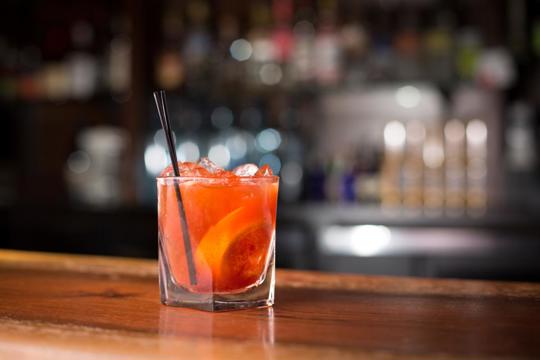
Drinks are known as house drinks.
They use the cheapest and most generic brands of liquor.
Usually served in bars and restaurants.
No need for expensive or specialized ingredients.
Drinks are about affordability and convenience.
Bartenders show their mixology skills creating tasty cocktails with these liquors.
They know flavors and ratios to make drinks appealing to customers.
Drinks may not be top-shelf quality.
But bartenders make balanced cocktails with fresh mixers and garnishes.
So customers get a satisfying drink at an affordable price.
Differences Between Rail Drinks and Well Drinks

Rail drinks can be found when ordering at a bar.
They are basic cocktails that are made with well liquor.
Drinks are mixed drinks, made from the bar's well.
Definition and Placement
Rail drinks and well drinks have different definitions.
Rail drinks are also called "house pours" and use inexpensive alcohol brands.
They are usually vodka, gin, rum, tequila, and whiskey.
Mixed with standard mixers like soda, tonic, juice or sour mix, they are cheaper than premium options.
Drinks use liquor from the "well" or open shelf behind the bar.
These are mid-range liquors offering more flavor than rail drinks.
They are good for complex cocktails.
Placement at a bar is different too.
Rail drinks are on the bottom tier of the drink menu.
Drinks are higher up or with cocktail recommendations.
Rail and well drinks are economical choices for customers.
Knowing the differences can help decide which type of drink is best for budget and preferences.
Alcohol Brands and Quality
Curious about alcohol brands?
Options are plentiful.
Every brand carries its own unique reputation and quality standards.
Luxury and excellence are associated with some, while others focus on the budget-friendly market.
Quality depends on ingredients, distillation processes, aging techniques, and the distillery's reputation.
Not all brands are equal.
High-end brands invest in quality standards, using premium ingredients and traditional methods.
Lower-tier brands prioritize affordability, using simpler ingredients and efficient production methods.
The quality of an alcohol brand is subjective.
What one person considers top-notch, another may not.
Taste is personal - individual palates vary when it comes to appreciating the nuances of drinks.
Pricing and Availability
Pricing and availability are must-knows when weighing rail drinks and well drinks.
Rail drinks tend to be cheaper because they're made with basic liquors.
Drinks are pricier, since they use top-shelf liquors.
Both kinds can be found in most bars and restaurants.
But, the selection of brands and varieties may vary.
The taste and quality of well drinks is often better due to the premium liquors.
However, personal preference is key when selecting between rail and well drinks.
Similarities Between Rail Drinks and Well Drinks
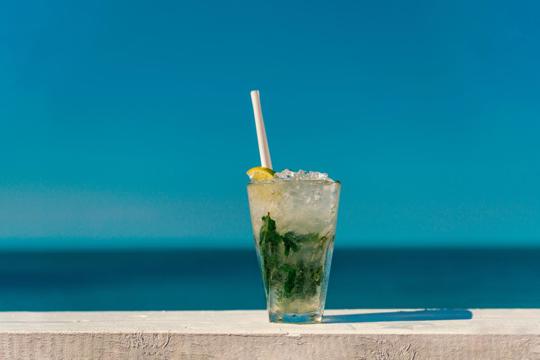
Rail drinks and well drinks share many similarities.
- They are usually made with a base spirit, such as vodka or rum. Plus, a non-alcoholic beverage like soda or juice is added. This gives the drink a personalized taste.
- Rail and well drinks are often cheaper than other cocktails. This makes them a good option if customers don't want to spend much. Plus, they are easy to find in many bars. Lastly, they can be served in different glasses, like rocks glasses or highball glasses. This adds to the drinks' versatility.
Types of Rail and Well Drinks
Rail drinks and well drinks are two distinct types of alcoholic beverages.
Patrons usually choose one or the other.
It's important to know the differences.
Rail drinks, or 'call' or 'house' cocktails, are made with inexpensive spirits and mixers from behind the bar.
They use generic brands such as vodka, rum, gin and tequila.
They're cheaper, but taste and quality may suffer.
Drinks use higher-quality spirits and mixers.
They use premium brands like Absolut vodka or Bombay Sapphire gin.
They offer better taste and quality, but come at a higher price.
Rail drinks are budget-friendly.
Drinks provide a more refined experience.
The choice depends on preference and budget.
Popular Rail Drink Options
Rail drinks are a must for bar-goers.
From the Old Fashioned to the Moscow Mule, there's something for everyone.
Standard liquors let you enjoy these yummy concoctions without breaking the bank.
Here are some unique options you might not have tried:
- Negroni, a blend of gin, sweet vermouth, and Campari.
- Or the White Russian, made with vodka, coffee liqueur, and cream.
- Plus classic favorites like the Whiskey Sour and Tom Collins. The Sour has whiskey, lemon juice, and simple syrup. The Collins has gin, lemon juice, and soda water.
Sample these delights crafted by skilled mixologists - your palate will be glad you did.
Common Well Drink Choices
Drinks, also known as house pours, are the standard liquor choices that bars and restaurants offer.
These drinks usually include vodka, rum, whiskey, gin, tequila, and bourbon.
With these spirits, classic cocktails like martinis, mojitos, old fashioneds, gin and tonics, and margaritas can be made.
Drinks are a cost-effective option for patrons who want to enjoy their favorite drinks without spending too much.
Even though premium liquors may offer higher quality and smoother taste, well drinks still give a satisfying experience at an affordable price.
The flavor of well drinks can vary depending on the establishment's choice of liquor brands.
In addition to the popular choices, well drinks can also include brandy, schnapps, flavored liqueurs, and blended spirits.
This allows bartenders to create personalized concoctions tailored to individual preferences.
Drinks may not always be made with top-of-the-line spirits, but skilled mixologists can still craft delicious beverages using these base liquors.
No matter your preference, well drinks provide something for everyone at the bar.
So next time you're ordering a drink, don't forget about the appeal of a well-crafted well drink.
Rail Drinks vs Well Drinks: Which is Right for You?
Rail and well drinks are both popular at bars and restaurants.
But which one is right for you? Let's look at the differences between them.
Rail drinks are usually made with basic, low-price liquors that are easy for the bartender to reach.
They may not have much complexity or variety in flavor.
But they're cheaper than other options.
Drinks are made with house liquors or well-known brands.
They offer better quality and more flavors than rail drinks.
They cost a bit more, but still affordable.
Which should you choose? It depends on your personal taste and budget.
Rail drinks are budget-friendly and still refreshing.
Drinks offer more subtle flavors.
Try different combos to find what fits you best.
Enjoyment is about finding pleasure and keeping your wallet happy.
Understanding Rail Drinks vs Well Drinks
From pricing to spirit selection, they each offer something unique to imbibers around the world.
Of course, it's up to you when ordering your bevvy of choice.
Rail drinks offer a cheaper option that will allow people to stay within their budget restraints while still enjoying popular spirits.
Conversely, well drinks provide a cost effective way for those seeking bolder flavors to try something outside the standard rails without breaking the bank.
Whether it's an expense or taste preference that has you at the bar, both types of drinks give an assortment of benefitting options to choose from.
Frequently Asked Questions
The main difference between rail drinks and well drinks is the quality of ingredients used. They share some similarities but each has qualities that make it better suited for certain recipes.
Often, yes. The two share enough common ground that most palates won't notice a swap.
Rail Drinks is usually milder while Well Drinks brings more intensity.
Nutritional differences exist but are often minor in typical serving sizes. Neither is universally healthier - it depends on what specific nutrients or dietary goals you are focused on.
Which stores better after opening?
Once opened, one keeps better in the refrigerator with proper sealing.
The other may oxidize or separate more quickly, so using it promptly or in smaller quantities works better.