
Saffron is the most expensive spice in the world by weight, and people who have never used it often wonder whether the flavor justifies the price. The short answer: it tastes like nothing else.
Floral, slightly honey-like, with an earthy bitterness underneath.
A little goes a long way. Here is what saffron actually tastes like in different dishes, how to use it, and how to tell if what you bought is real.
What is Saffron?
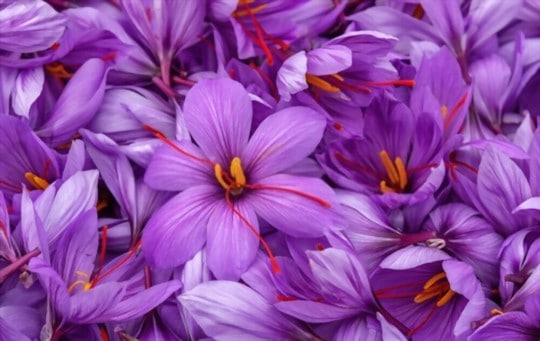
Saffron is an ancient spice that's held precious by various people and cuisines from all over the world.
It's a spice that has been popular since the ages of Cleopatra as well as Alexander the Great.
Saffron is a subtle but rich bundle of threads that will boost the flavoring of any dish.
Saffron is known to have originated from the ruins of Ancient Greece, but with the climate being arid in other places, it's also grown in the Middle East.
It's a rich spice that's produced from a crocus flower's stigma (the part of the flower where pollen can be germinated).
It's otherwise known as Crocus sativus L., and it's a spice that's on the list as one of the most expensive.
With deep orange-red shades on the threads and brighter colored tips, the saffron strands are usually lean and even in size.
It can be used in many meals, as well as incorporated in different types of skincare or body care products.
Mostly, it's ground into powder and sprinkled into various dishes, and it can also be used as an essential oil.
Saffron's floral warmth can complement citrus in sweets; see lemon dessert pairings and flavor matches for compatible combinations.
Distinctive Flavor Characteristics of Saffron
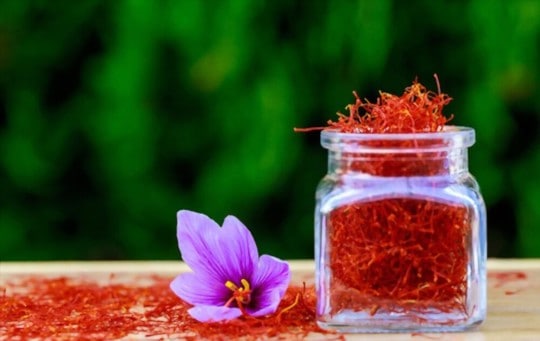
Saffron contains a flavor that is sweet with floral undertones to make it enticing.
There's a hint of complexity added with the inclusion of earthiness into its palate.
The spice is comparable to metal as it can taste a little bitter and metallic, and sometimes even plastic.
If you're tasting Saffron for the first time, you might discover a delicate yet complicated taste.
Due to its blend of flavors ranging from sweet to metallic, it's a unique spice that can be coupled with various dishes.
It's a distinct and subtle taste palette that's rich and refreshing.
It comes in strands, and each has a honey-like aftertaste that sometimes smells and tastes musty, like a mushroom.
As its taste and scent are strong, you can use small snips of it to incorporate into dishes; you need not use whole chunks of it.
Other than its flavor and color, Saffron is a highly nutritious ingredient that is filled with minerals and antioxidants that help in preventing illnesses and boost immunity with its health benefits.
There is a carotenoid component that resides in Saffron, and this prevents the body from getting infected and suffering oxidative stress and even cancer.
The spice also contains a rich amount of minerals like magnesium, iron, copper, potassium, zinc, and selenium.
It also contains crocin and crocetin, which causes the red color in Saffron.
These compounds have antidepressant effects and improve weight management by reducing appetite.
For a closer look at how concentrated extracts differ from whole spices, see extract vs flavor comparison that explains taste differences.
How to Use Saffron?
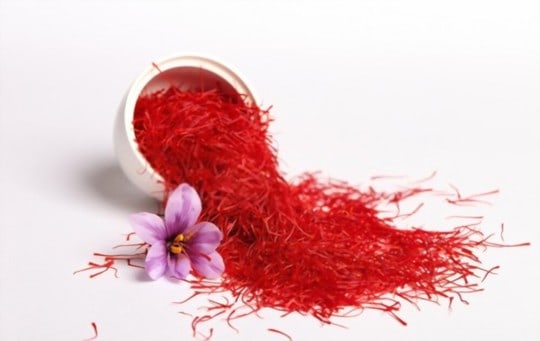
Now that we know what Saffron tastes like let's look at the various ways you can use the spice.
They are dried threads that require hydration and heat to bring about their complex flavors and scent.
There are many different meals and recipes that call upon the unique taste of saffron to enhance them.
The most common dish is a salad that you can quickly whip up and add some of its red gold richness - pair it with high-protein vegetarian sides list for extra substance.
You can dice some vegetables and toss some strands of the spice into the bowl or sprinkle them on roasted veggies.
You won't need to do much with this recipe; if you'd like a more complex way of incorporating this spice, read on.
You can use Saffron threads, but you can also blend them up into a powder.
This powder can be used for various dishes, especially Persian dishes such as 'Tahdig' or 'Polow.
' With the powder readily available in packets, you can also sprinkle the Saffron in a stew or chicken broth.
If you'd like to improve the flavor of your morning tea, maybe you can incorporate a dash of Saffron.
You can either make milk tea or red tea, and the Saffron will taste great with either.
Other than puddings and risotto dishes, you can also add threads or powder to ice cream or rice.
How to Buy Saffron?
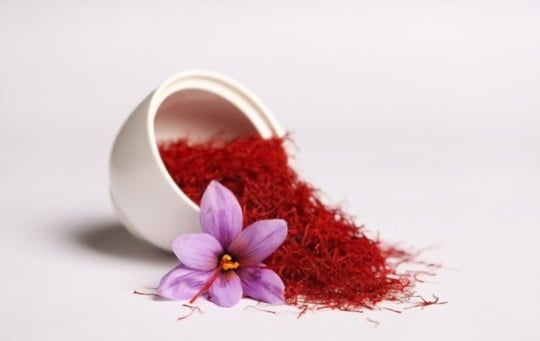
In Afghanistan, Saffron is found sold by vendors around the corners of every street.
Outside the country, the Saffron threads can be found online.
If you would like a more authentic experience, you can look for them easily around your nearest grocery store.
If you're planning to go to the market and buy some saffron, you should always avoid purchasing the saffron that comes in powder.
Usually, it isn't pleasant regarding the quality and flavor, so just go with the threads.
You can easily find them in a market around the spices area.
You can max out your Saffron threads by warming them as gently as possible, beating them lightly, and placing them in a liquid for a few minutes.
This procedure provides you with the instant aroma that emits from the red threads as it releases the intense color and scent of the spice.
A bright red color is always a good sign when buying Saffron.
Be wary of pale-looking strands as they may be wilted.
Saffron does not usually go wrong, but you should store them in proper containers to keep the authenticity, aroma, and flavor intact.
Saffron threads are often found in the spices aisle; for another specialty ingredient's location and shopping tips, check where to buy miso and find it in the grocery store.
Saffron's Unique Taste Explained
Saffron is a unique spice, so the high costs do not come suspicious.
The fine red threads have a seductive aroma and an exotic flavor.
The captivating boost of flavor that it pours into any dish that it's brought into makes it a well-loved spice.
So, now that you know its taste and uses go ahead and buy some from the nearest store and experiment with it.
Frequently Asked Questions
Saffron is the most expensive spice in the world by weight, and people who have never used it often wonder whether the flavor justifies the price. The short answer: it tastes like nothing else.
Floral, slightly honey-like, with an earthy bitterness underneath.
Several foods share flavor notes with Saffron. Tasting similar items side by side is the easiest way to map out what you enjoy and find new favorites.
Can you adjust the intensity of the flavor?
Yes.
Pairing it with acidic, sweet, or fatty components shifts the perceived intensity.
A squeeze of citrus brightens mild flavors, while fats like butter or oil mellow sharper ones.
Avoid pairings that clash with its dominant flavor note. Competing intensities - very sweet with very sour, or heavy with delicate - tend to obscure rather than go with the taste.
Saffron pairs well with many complementing dishes. saffron rice side dish ideas shows compatible accompaniments, and saffron risotto side pairings lists options that work with creamy preparations.