
Is it a flower? Is it edible or just pretty?
Squash blossoms are not only pretty, but they're also edible and tasty.
It's a true delicacy among many food enthusiasts celebrating its goodness.
But if you're new to this edible flower, you might wonder, "what does squash blossoms taste like?".
Today's post will go in-depth to understand squash blossoms, including their taste, uses, and more.
If you're interested to learn more, keep scrolling down.
What are Squash Blossoms?
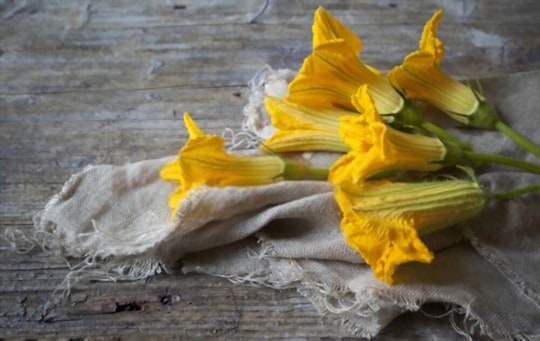
Squash blossoms, aka zucchini flowers, are popularly known as edible flowers.
They typically come from the squash plant, including both winter and summer squashes - similar to Versatile and mild yellow squash taste guide that highlights gentle squash flavors.
These delicate and soft flowers are usually orange and yellow in color, with a mild Tate resembling the squash itself but not entirely - comparable to notes in a spaghetti squash taste guide that emphasizes subtle squash character.
They're typically available from late spring through early fall.
Today, squash blossoms play a significant role in the glory of fresh produce found at the farmer's market.
They're very popular and are also known for their fragile and perishable nature.
Hence, many people consume it during its fresh state.
If you plan to purchase squash blossoms, you can generally find them in upscale grocery stores or farmers' markets.
Usually, limp squash blossoms are considered consumable.
However, it's essential to search for ones with tightly closed buds.
As mentioned earlier, they have a delicate nature.
Therefore, cooking and eating them quickly or following the proper storage process to ensure their freshness is preferable.
What Do Squash Blossoms Taste Like?
There are a lot of assumptions about the taste of squash blossoms.
This is mainly due to its role as a flower and connection to the vegetable squash.
Although we're not entirely denying the influence of such roles and connections, squash blossoms are something that goes beyond assumptions.
While many (perhaps even you) may presume that squash blossoms give off a very floral fragrance and taste, they're actually relatively mild.
This isn't necessarily bad, as it makes them more versatile and enjoyable.
But the one flavor you'll likely pick up is, yes, you've guessed it - squash.
However, the flavor isn't as overpowering, leaving more space for them to blend with other ingredients.
In their raw form, squash blossoms taste similar to sweet radish.
And they're equally enjoyable as a raw ingredient.
In fact, you can use them as a cucumber substitute in veggie salads or even a lettuce substitute in tacos.
The fact that they're enjoyed raw is mainly attributed to their delicate and subtle flavor.
But one of the most common ways of enjoying them is cooking.
Given their delicate and soft texture, cooked squash blossoms practically melt inside your mouth once eaten.
But that's not the only thing. They're also considered good for your health due to their nutritional content.
Squash blossoms carry similar health benefits as squash.
They're known to be high in vitamins and potassium.
Thus, they benefit the immune system, body tissues, teeth, gums, and more.
How to Cook Squash Blossoms?

As we've mentioned, squash blossoms are pretty versatile and can be cooked differently.
All of which you can enjoy equally.
But, before you get cooking, you'll have to first learn how to prepare these delicate flowers.
To start prepping them, carefully open the petals and ensure it's free of bugs.
This is because you may find a bee or insect lingering within the petals, especially when handling freshly plucked ones.
If you're scared to open it, turn the flower upside down and shake it well.
Next, you'll have to snap off any stamen or pistil with your fingers.
Now, all that's left is to wash and pat them dry.
You can also enjoy them raw by making a salad or slightly sautéing them - or contrast textures with a chayote squash taste profile for a more tropical bite.
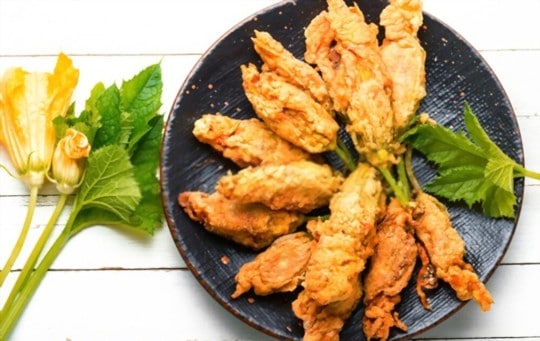
But the most popular and common way of cooking squash blossoms is stuffing and frying them.
This transforms the delicate petals into a crispy treat.
Stuffed squash blossoms are typically filled with cheese, battered, and then deep-fried.
Although the type of cheese used is optional, it's best to use firm ones such as Piave, Swiss, Gruyere, or Munster.
This will keep the stuffing from oozing out while frying.
For the batter, you can use everyday and essential ingredients such as egg, flour, etc.
Apart from stuffing and frying, there are so many ways you can go about with squash blossoms.
So, feel free to experiment and go through as many recipes as possible.
Conclusion
Squash blossoms don't just appear to be pretty.
They're incredibly delicious and can help create some of the tastiest and simple snacks.
This is one reason these flowers are increasingly popular in the food scene.
So, if you plan on trying something new or bringing a simple yet creative kick to your table, squash blossoms make a great choice.
You can incorporate them into new and existing recipes to create a delicious, hearty meal.
Still, we hope our post has expanded your knowledge of squash blossoms.
Also, we hope you can implement them into your cooking.
What to Serve with Butternut Squash Soup? 7 BEST Side Dishes → butternut squash soup side pairings. What to Serve with Delicata Squash? 7 BEST Side Dishes → delicata squash side dish ideas.
Frequently Asked Questions
But if you're new to this edible flower, you might wonder, "what does squash blossoms taste like?". Today's post will go in-depth to understand squash blossoms, including their taste, uses, and more.
These delicate and soft flowers are usually orange and yellow in color, with a mild Tate resembling the squash itself but not entirely.
Freshness matters. Squash Blossoms tends to have a brighter, more pronounced taste when fresh.
Stored or aged versions may develop mellower or slightly different flavor notes.
Significantly. Younger or less ripe versions are often sharper, more astringent, or more bitter.
As it matures, flavors typically mellow and deepen into something more complex and approachable.
Texture and taste are inseparable. A pleasant texture encourages slower eating and better flavor perception.
Off-putting textures - too mushy, too fibrous, or unexpectedly gritty - can make even good flavors less enjoyable.