
Cheese is one of the most enjoyed food items in the world.
It could be because of the casein in cheese that helps alleviate pain.
Studies have proven that eating cheese can actually keep you very happy.
No wonder it's been around for ages, and people are addicted to this melt-in-your-mouth delight.
Many types of cheeses are found across the world.
Every nation has found some way of preserving milk to enjoy it in this fermented state.
However, the most famous and sought-after cheeses come from European countries like Italy.
The Taleggio Cheese is also a traditional Italian cheese that perfectly represents age-old traditions in this region.
What is Taleggio Cheese?

Everybody must know what cheese is; it's the by-product of fermenting dairy and is used in almost every fast-food assortment possible.
But, were you aware that there are wide varieties available out there?
Most cheeses these days are processed, but taleggio cheese is part of the natural cheese group.
These cheeses have been made for about 4000 years and are highly sought after by restaurateurs and chefs alike.
In particular, taleggio is a superb illustration of how dietary habits and customs interact to produce delicacies that have been enjoyed for centuries.
It is named after the caves of Val Taleggio, the valley where it was first made.
Being around since the Roman empire, it can be labelled as one of the world's oldest soft cheeses that's still being made the traditional way.
It's made from cow's milk and aged on wooden shelves and stored in the caves found in Lombardy's valleys.
If pairing taleggio with citrus desserts, lemon dessert pairings and ideas suggests fruits and flavors that match well.
What Does Taleggio Cheese Taste Like?
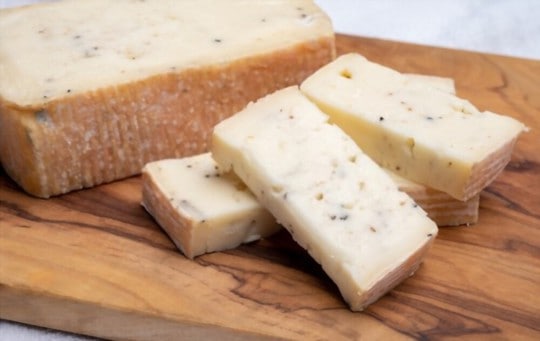
The taste of cheese depends on several factors the type of milk, fermentation process, climate, age, texture, color, etc.
These are only a few criteria that need to be considered if you want to experience the full depth of flavors this food offers.
For taleggio, the flavors are rather complex.
You have the pungency from the fragrance, which makes you think that the cheese is quite powerful to taste.
But actually, it's relatively mild and subtle.
There is a reason behind the distinct smell, which can be attributed to the aging process.
The cheese is washed weekly with seawater and stored on wooden plank shelves.
This promotes mold growth to help fermentation and prevent discoloration.
Even with the intense aroma, the creamy interior is soft and flavourful when you peel off the tough rind.
You will immediately detect nutty aromas and faint fruity undertones as you consume it.
A mild and enjoyable buttery tart aftertaste follows this.
It is rich and tasty, just like many other soft kinds of cheese from Italy, but it has a subtle flavor that will not overpower you.
You can enjoy it with salads, on pizza, and as part of your risotto dish.
Unlike other cheeses, you can eat the rind, which enhances the texture and flavor.
Although it is not required, the sturdier exterior provides a new element to your palette that you'll find appealing.
If a milder, herbed soft cheese is preferred, Boursin flavor profile guide for herb lovers explains how it compares.
How to Serve Taleggio Cheese?

Suppose you've been afraid to reach for this particular cheese while buying your groceries because you've never cooked with it.
Or, if you think the aroma will be too much for you to deal with, you can put your doubts aside.
Taleggio is like any other soft cheese that you purchase and use.
You can even swap out your brie or camembert for this tasty choice.
You could also make it a part of your cheese board.
It pairs well with red wine and is frequently consumed as a dessert with fruits like grapes, berries, pears, and apples.
The cheese can also be used for a conventional grilled sandwich or a simple salad with leafy vegetables.
The addition of its rich, rich texture makes taleggio the ideal garnish for soups and poultry dishes, improving their opulence.
You can also incorporate the decadent cheese into gratins, pasta, and quiches.
Thanks to its melting properties, it is also excellent for baking.
Another traditional way of consuming soft cheese is adding it to fondue or souffles.
This is the same for taleggio.
Since it goes well with various breads and crackers, you can include it on your charcuterie board.
When serving taleggio as a sweet course or cheese course finale, single-serve desserts for sweet pairings offers portioned ideas that complement cheese boards.
Taste Profile of Taleggio Cheese
With all the strongness you get from a sharp cheese and yet a soft, tender touch to the palate, taleggio is an all-in-one item that should be on your shopping list.
It's also a great conversation started on the cheese board since it's one of the oldest cheeses still made traditionally.
You can add it to your salads and pasta or have it as a dessert.
You won't be sorry.
Frequently Asked Questions
Stick around to find out what does taleggio cheese taste like and if it's worth trying out. The taste of cheese depends on several factors the type of milk, fermentation process, climate, age, texture, color, etc.
These are only a few criteria that need to be considered if you want to experience the full depth of flavors this food offers.
Several foods share flavor notes with Taleggio. Tasting similar items side by side is the easiest way to map out what you enjoy and find new favorites.
Can you adjust the intensity of the flavor?
Yes.
Pairing it with acidic, sweet, or fatty components shifts the perceived intensity.
A squeeze of citrus brightens mild flavors, while fats like butter or oil mellow sharper ones.
Avoid pairings that clash with its dominant flavor note. Competing intensities - very sweet with very sour, or heavy with delicate - tend to obscure rather than go with the taste.
Camembert and ricotta present different creamy profiles worth exploring. Camembert tasting guide for creamy nuances examines soft-ripened characteristics. Ricotta taste exploration for fresh textures explains how lighter curds differ in mouthfeel.