
Sweet, bitter, sour, and salty are four common tastes we're familiar with.
That was until the 1980s when the fifth taste came to the fore.
The umami flavor became well-known as the fifth taste, creating a buzz in the cooking world.
Restaurants around the globe were trying to develop this flavor, which had already existed in Japan for decades.
So, the question is- what does umami taste like? You'd be surprised to know that the taste of umami is found in our everyday food, including mushrooms, anchovies, aged cheese, and more.
What is Umami?
Umami is a Japanese loanword coined by Kikunae Ikeda, a Japanese chemist, in 1908.
The word, when translated, is known as "pleasant savory taste.
He noticed this distinct taste while having a bowl of kelp broth.
It made him realize that the flavor was nothing like the four typical tastes- sour, sweet, bitter, and salty.
Later finding out it has attributes of glutamate.
It's an amino acid that is one of the essential elements for building protein in our body.
Umami taste receptors were identified on the human tongue in 2002 by scientists.
It has an inherent taste that is appealed universally.
Researchers have noticed that it has an independent taste created by itself without combining with other tastes.
Ever since its recognition, chefs and the like have tried creating this flavor.
In fact, MSG (Monosodium Glutamate) is added to get umami flavor in dishes.
Umami can help balance bright, acidic notes; for ideas on complementary sweet-acid pairings, see lemon dessert pairing ideas.
For contrast, fruit-forward tastes can be surprising - acai berry flavor guide reveals how bright, tannic notes differ from umami.
What Does Umami Taste Like?
As mentioned above, umami has a distinct flavor that our taste receptor acknowledges.
Hence, it's not surprising that the umami flavor has mass appeal.
Unlike the other four tastes, umami has a milder taste.
Like the name itself, it's savory yet has a pleasant taste.
In short, any food with glutamate has an umami flavor.
It might present naturally or after fermentation, cooking, or aging.
It's pretty challenging to define the taste of umami because of its complex element.
Brothy, meaty, and savory may best describe the taste of umami.
What distinguishes umami from other tastes is its tempting aftertaste.
It leaves you craving for more.
For instance, chicken katsu is a delicious umami-rich dish that leaves you craving more.
Technically, consuming a rich glutamate acid allows you to experience the umami flavor.
Imagine having chicken soup, aged cheese, or a burger with fries and extra bacon.
Here are some of the foods that are naturally rich in umami:
- Green peas.
- Mushrooms.
- Fish.
- Tomatoes.
- Lotus root.
- Soybeans.
- Garlic.
- Kimchi.
- Meat.
- Asparagus.
- Potatoes.
- Chicken eggs.
- Seaweed.
- Fava beans.
Besides these foods, umami is also present naturally in breast milk and green tea.
Also, you may create this flavor by incorporating ingredients such as soy sauce, fish, and miso paste.
If we have umami is a kind of taste that needs to be felt.
No wonder it took years to recognize this flavor despite being in existence for centuries.
How to Cook and Serve Umami?
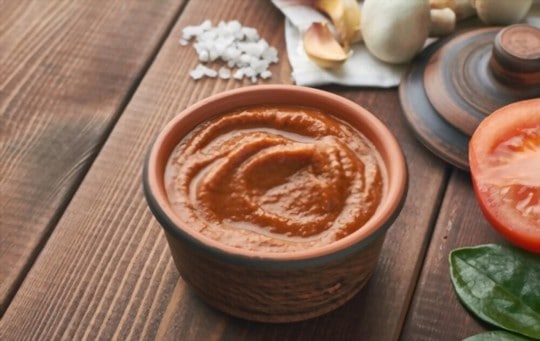
Interested in making umami paste yourself? Check the process below as we guide you on how to make one:
- First, get a blender to mix the ingredients. .
- Add one tablespoon(tbsp) of soy sauce.
- One tablespoon of olive oil.
- One tablespoon of anchovy paste.
- Minced garlic (two gloves).
- One tsp(teaspoon) Asian fish sauce.
- One tablespoon of tomato paste.
- Freshly grated parmesan cheese (two tbsp).
- Half teaspoon of miso paste.
- Shitake mushrooms (three or four).
- Half teaspoon of balsamic vinegar.
- A tiny amount of sriracha sauce or crushed red pepper.
Blend all these ingredients in the blender to make a paste.
Once done, you may add this to various recipes to get the umami flavor - try it on 22 veggie sides under 12 minutes for fast, savory results.
MSG is also used in recipes to develop umami flavor in it.
Some are skeptical about adding this ingredient to their food because of its negative effects on one's health.
However, it's considered safe by the FDA (Food and Drug Administration).
It would be better to use it sporadically in dishes.
Or, you may use naturally rich glutamate foods to create an umami flavor.
Identifying Umami Flavor Characteristics
Umami is the fifth taste that was recognized in 2002.
This taste might be new in the west but is well-known in Asian households.
In fact, this savory, brothy yet subtle flavor has been in existence for centuries but fails to give a specific name.
Despite its pleasant taste, it adds vibrancy to dishes that leave you craving for more.
Get to know the taste of umami by following the process mentioned above if you have yet to experience it.
Explaining the taste of umami might is quite challenging because of its complex nature and the layers to it.
Hopefully, this post has answered your question about umami and its taste profile.
Mushrooms are a natural umami source in many vegetarian dishes - 20 elegant vegan mushroom entrée recipes full of umami. Quick vegetable sides can carry umami into the weeknight rotation - 22 veggie sides under 12 minutes offers fast pairings.
Frequently Asked Questions
Sweet, bitter, sour, and salty are four common tastes we're familiar with. That was until the 1980s when the fifth taste came to the fore.
The umami flavor became well-known as the fifth taste, creating a buzz in the cooking world.
Some people enjoy Umami right away while others need a few tries. The flavor can grow on you, especially when paired with familiar ingredients in a dish you already like.
Does it taste different depending on how it is prepared?
Preparation makes a significant difference.
Raw, roasted, fried, and steamed versions each bring out different qualities - sweetness, bitterness, earthiness, or richness - in the same ingredient.
Yes. Different cultivars, origins, or processing methods produce meaningful flavor differences.
If one version did not appeal to you, trying a different variety is worth the effort.