
Swap Walnut Oil with Sesame Oil, Hazelnut Oil, Peanut Oil, Almond Oil, and Olive Oil.
Sesame Oil is the closest match - it has a similar flavor and works at a 1:1 ratio in most recipes.
For cooking, Hazelnut Oil also works well - adjust the amount to taste since it may be slightly stronger or milder.
Oh, walnut oil. It's like that one friend who's always bringing the fancy vibes to your kitchen party.
But what if they can't make it? No stress.
We've got the scoop on the 5 BEST swaps that'll save your dish without skipping a beat.
Ever tried avocado oil? It's smooth, it's rich, and it's ready to step in.
And here's a curveball - grapeseed oil. Light and versatile, it's the unsung backup singer that deserves a solo.
Think of these alternatives as your kitchen's pinch hitters - ready to jump in and keep the flavors coming.
Grab your apron; it's time to mix things up!
Best Oils to Replace Walnut Oil
Walnut oil is a flavorful and healthy cooking oil, but it may not always be readily available or suitable for certain dietary preferences.
Fortunately, there are several substitutes for walnut oil that can provide a similar flavor and functionality in your recipes.
| Substitute | Key Characteristics | Proper Ratio |
|---|---|---|
| Sesame Oil | Rich nutty flavor; commonly used in Asian cuisine | Use an equal amount of sesame oil as a substitute for walnut oil |
| Hazelnut Oil | Nutty and buttery flavor; similar to walnut oil in taste | Use an equal amount of hazelnut oil as a substitute for walnut oil |
| Peanut Oil | Mild nutty taste; high smoke point; versatile in various cooking methods | Use an equal amount of peanut oil as a substitute for walnut oil |
| Almond Oil | Delicate nutty flavor; lighter in taste compared to walnut oil | Use an equal amount of almond oil as a substitute for walnut oil |
| Olive Oil | Versatile oil with a mild flavor; widely available and suitable for most uses | Use an equal amount of olive oil as a substitute for walnut oil |
Here is a closer look at each option:
1. Sesame Oil
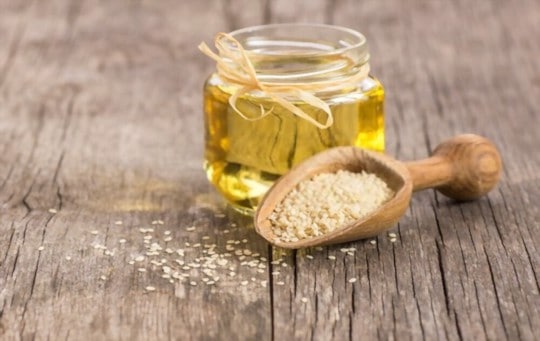
First of all, let's get one thing straight - sesame oil is amazing.
It's been used in Asian cuisine for centuries, and it's time the rest of the world caught on.
There are two main types of sesame oil - light and dark.
Light sesame oil is made from untoasted sesame seeds and has a light yellow color.
It's perfect for stir-frying and marinating and has a nutty flavor for sweet and savory dishes.
Dark sesame oil is made from toasted sesame seeds and has a deep brown color.
It's perfect for dipping and dressing and has a rich flavor with spicy and savory dishes.
Sesame oil can be used in various ways, including stir-frying, marinating, and baking.
It is also a popular ingredient in salad dressings and sauces.
In addition to its culinary uses, sesame oil has several benefits for health.
It is rich in antioxidants and has anti-inflammatory properties.
Sesame oil is also thought to boost heart health and help prevent cancer.
- Key Characteristics: Sesame oil offers a rich nutty flavor and is commonly used in Asian cuisine. It provides a distinct taste that can mimic the nuttiness of walnut oil.
- Proper Ratio: Use an equal amount of sesame oil as a substitute for walnut oil. Adjust other seasonings based on personal preference to maintain the desired balance of flavors in your recipe.
2. Hazelnut Oil
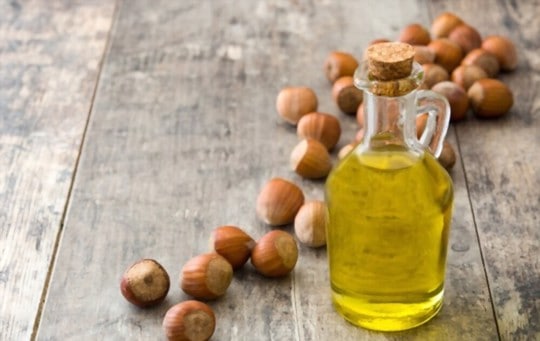
Hazelnut oil has a rich, nutty flavor that is perfect for cooking or baking.
It is also a good source of healthy fats and vitamins, making it a nutritious diet.
Hazelnut oil is made by pressing hazelnuts to extract the oil.
The resulting oil is then refined to remove impurities.
Hazelnut oil can be used in various ways, including in salad dressings, as a bread dip, or as a natural moisturizer for skin and hair.
You can also add hazelnut oil to homemade soap or candles for a luxurious scent.
Whether you use it in the kitchen or the bathroom, hazelnut oil is a versatile product that will become a staple in your home.
When substituting hazelnut oil for walnut oil, keep in mind that the flavor will be slightly different.
Hazelnut oil is also lighter in color than walnut oil, so it may not give your dish the same rich color.
However, hazelnut oil can be used in any recipe calling walnut oil, so get creative and experiment with this delicious oil.
- Key Characteristics: Hazelnut oil has a nutty and buttery flavor similar to walnut oil. It can be a suitable replacement in recipes where the distinctive taste of walnut oil is desired.
- Proper Ratio: Use an equal amount of hazelnut oil as a substitute for walnut oil. Adjust other ingredients to achieve the desired flavor and consistency.
3. Peanut Oil
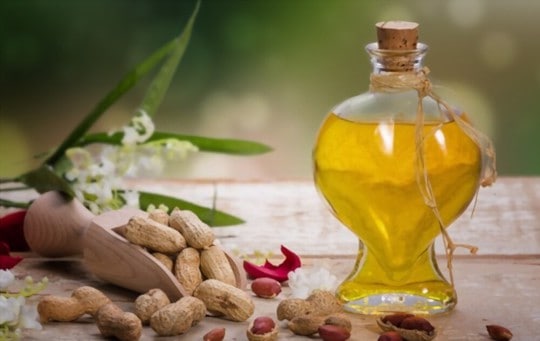
Peanut oil is a type of vegetable oil that is extracted from peanuts.
It is popular in many parts of the world and has several uses.
Peanut oil is known for its high smoke point, making it ideal for frying foods.
It is also used in some types of cooking, such as stir-frying, and is a common ingredient in salad dressings and marinades.
Peanut oil is relatively high in monounsaturated fats, which are believed to be beneficial for heart health.
It also contains vitamins E and K and antioxidants that can help protect cells from damage.
Peanut oil can be found in most supermarkets, and it is a flexible ingredient that can be used in many different ways.
- Key Characteristics: Peanut oil has a mild nutty taste and a high smoke point, making it versatile for various cooking methods. While not as similar in flavor to walnut oil, it can provide a pleasant nuttiness to dishes.
- Proper Ratio: Use an equal amount of peanut oil as a substitute for walnut oil. Adjust other seasonings and ingredients according to your recipe's requirements.
4. Almond Oil
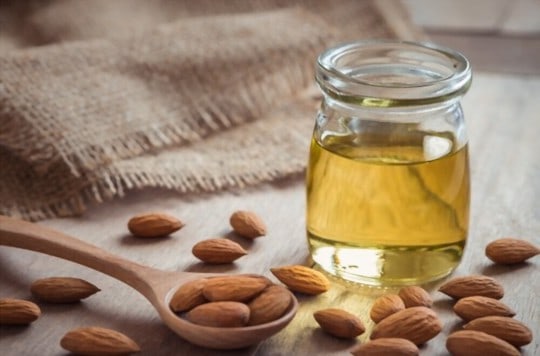
Almond oil is derived from the edible seeds of the almond tree.
It has been used for centuries in traditional medicine to treat various conditions.
Today, almond oil is widely used in the cosmetics industry due to its emollient properties.
It is often used as a massage oil or added to lotions and creams.
Almond oil is also a popular ingredient in hair care products.
It is believed to help condition the scalp and improve the strength and elasticity of hair.
In addition, almond oil is sometimes used as a natural remedy for constipation and other digestive issues.
While more research is needed to confirm these benefits, many people swear by the soothing effects of almond oil.
Whether you're looking for an oil to add to your beauty routine or searching for a natural remedy, almond oil is worth considering.
If you're looking for a walnut oil substitute, almond oil is a good option.
It has a similar flavor and can be used in many same ways.
When used sparingly, almond oil can add a lovely flavor to your favorite dishes.
- Key Characteristics: Almond oil offers a delicate nutty flavor that is lighter compared to walnut oil. It can be used as a substitute when a milder nutty taste is desired.
- Proper Ratio: Use an equal amount of almond oil as a substitute for walnut oil. Consider the delicate flavor and adjust other ingredients accordingly.
5. Olive Oil
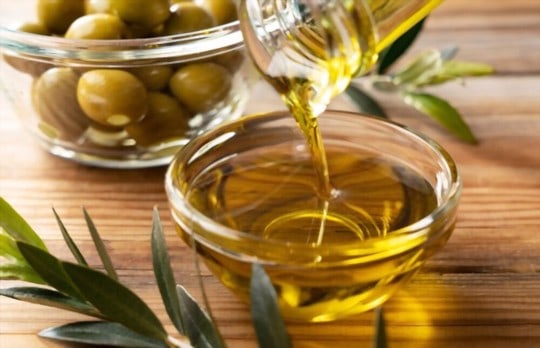
It's no secret that olive oil is good for you.
This healthy fat has improved heart health, lowered cholesterol levels, and reduces the risk of stroke and other diseases.
But did you know that olive oil can also help you lose weight? Studies have shown that people who include olive oil in their diet are more likely to lose weight than those who don't.
And it's not just because olive oil makes food taste better - it's actually because of the way it affects your body.
Olive oil is a "slow burning" fuel, which is slowly absorbed by your body and used for energy.
This helps to keep you feeling full longer, so you're less likely to reach for unhealthy snacks between meals.
So if you're looking to lose weight, drizzle some olive oil on your next salad or use it in place of butter on your next piece of toast.
- Key Characteristics: Olive oil is a versatile oil with a mild flavor. It is widely available and suitable for most culinary uses. While it may not provide the same nuttiness as walnut oil, it can still improve the flavors of your dishes.
- Proper Ratio: Use an equal amount of olive oil as a substitute for walnut oil. Adjust other seasonings and ingredients to achieve the desired taste and texture.
You might also want to know how walnut oil compares.
Frequently Asked Questions
Sesame Oil is the best substitute for Walnut Oil because it shares a similar flavor and texture. Use it at a 1:1 ratio in any recipe that calls for Walnut Oil.
You have several options. Sesame Oil matches the original closely, while Hazelnut Oil brings a slightly different character.
Either works at a 1:1 ratio.
Yes. Check your grocery store's international or health food aisle for widely available options.
Many substitutes are pantry staples that are easier to source than the original.
Forgiving dishes - soups, stews, casseroles, and sauces - are the best starting point. They mask small texture or flavor differences better than dishes where the ingredient is the star.