
A1 Sauce is more than just a condiment; it's a solid option for any meal.
This classic sauce brings a bold, tangy kick that can improve dishes from mundane to magnificent in just a few dashes.
Perfect for grilling, dipping, or marinating, A1 has claimed its stake at dinner tables everywhere.
If you've eyed this bottle in the grocery aisle and wondered what magic it holds, you're in for a treat.
Join us as we get into the flavors that make A1 Sauce a staple in kitchens across the country.
Ready to transform your meals?
What is A1 Sauce?
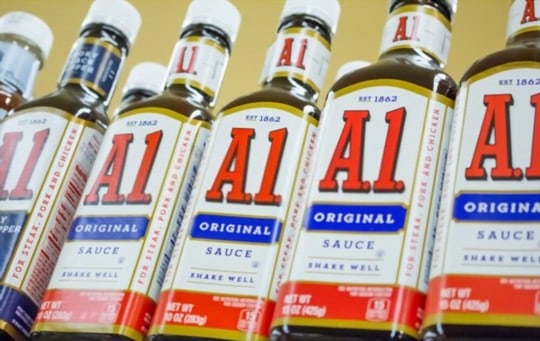
A1 sauce is sometimes referred to as steak sauce.
It is most commonly used for beef, but it is just as handy for game meats and dishes.
It is brown and can be made at home or purchased from commerce.
Generally speaking, to help you get an idea about the taste, it is based on tomatoes, mustard, garlic and onion, among a few other ingredients.
Still, it might be similar to other sauces, yet it has a unique aroma that makes it stand out.
While it can seriously affect the taste of your meat, it also depends on how you cook it - or how long you cook it for.
The taste of A1 sauce can be influenced by spices and condiments as well.
Now that you have a few clues about this sauce, what does it taste like?
If thinking about complementary tastes, lemon often pairs with rich or tangy components - lemon dessert pairings 9 options shows common matches that illustrate this idea.
What Does A1 Sauce Taste Like?
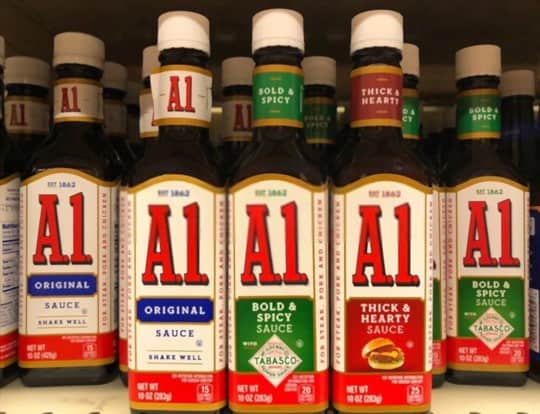
It's important to note that A1 sauce will bring in a mix of flavors.
For instance, it could be a bit sour, but it is also salty.
It has a tart taste, yet it may also feel sweet with a bit of spiciness from pepper.
The sauce clearly depends on the ingredients added and different brands add in different things along the main ones.
From some points of view, it might be similar to the Worcestershire sauce, but it is not that spicy.
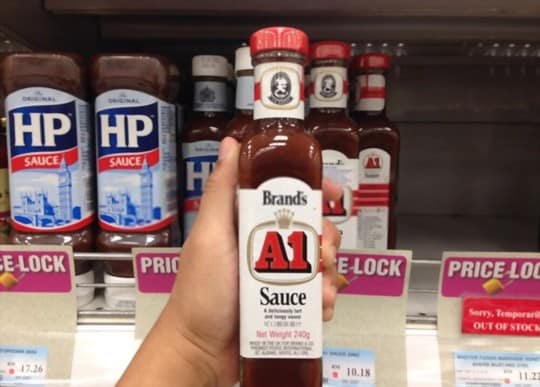
Then, according to We Want the Sauce, it is extremely similar in taste to the classic HP sauce taste guide for comparison.
In terms of texture, the A1 sauce is relatively thick.
Its thickness is usually given by the tomato puree in its composition.
Should you opt for something sweet, you will notice that some manufacturers add corn syrup to the A1 sauce - you can do that as well if you make it yourself.
Also, A1 sauce is a steak sauce.
It is not the only one, so in theory, it will be similar to other steak sauces.
Ingredients may also be similar, but different proportions make the difference in terms of aroma.
All in all, while created for steak, you can use A1 sauce for anything you like - you might as well dress a salad or put a little in your sandwich if you love it, as there are no rules.
How to Prepare and Cook A1 Sauce?
The first A1 sauce was initially formulated in the 19th century.
Even back then, it was designed to be a versatile sauce.
These days, its profile has not changed too much - it is a steak sauce, indeed, but it has many different uses.
Given its original profile, it is obviously excellent with beef, regardless of how you cook it.
Now, A1 sauce can be extraordinary when mixed with other red meats as well - more specifically, game meats.
However, it is also great with pork and chicken - even fish.
You can spread a bit of A1 sauce on top of your vegetables too - it works fairly well with potatoes and pairs with veggie sides list for quick cooking.
You can still enjoy it even if you are vegan - it can be used on top of mushrooms and baked along.
It is a good dip if you love French fries and it can be used into most types of burgers.
As if all these were not enough, the A1 sauce can also be cooked into a wide variety of dishes.
For example, it could go into different soups, stews or pies - just use your imagination.
A1 Sauce: Flavor Components Breakdown
As a short final conclusion, the A1 sauce has a primary profile and it feels great with beef in any type of dish.
As long as a dish is based on beef, this sauce will work wonders.
However, the sauce has always been extremely versatile, so feel free to use it for anything.
It has a salty and sweet aroma with a bit of sourness, so it makes a good addition to salads too, not to mention using it as a dip.
Make it yourself and you will have even more freedom in directing the taste and flavor by playing with the ingredients - prepare it with your preferences in mind.
Frequently Asked Questions
This classic sauce brings a bold, tangy kick that can improve dishes from mundane to magnificent in just a few dashes. Join us as we get into the flavors that make A1 Sauce a staple in kitchens across the country.
Keep reading to uncover the secret behind A1's irresistible taste.
Several foods share flavor notes with A1 Sauce. Tasting similar items side by side is the easiest way to map out what you enjoy and find new favorites.
Can you adjust the intensity of the flavor?
Yes.
Pairing it with acidic, sweet, or fatty components shifts the perceived intensity.
A squeeze of citrus brightens mild flavors, while fats like butter or oil mellow sharper ones.
Avoid pairings that clash with its dominant flavor note. Competing intensities - very sweet with very sour, or heavy with delicate - tend to obscure rather than go with the taste.
Teriyaki has a distinct sweet-savory profile that complements many dishes - teriyaki sauce flavor guide. Wahl sauce covers a different savory range - Wahl sauce complete flavor guide.