
If you're out of Vegetable Stock, reach for Vegetable Bouillon, Chicken or Beef Stock, Mushroom Broth, Homemade Broth, and Water.
Vegetable Bouillon is the closest match - it has a similar flavor and works at a 1:1 ratio in most recipes.
For cooking, Chicken or Beef Stock also works well - adjust the amount to taste since it may be slightly stronger or milder.
Got a recipe calling for vegetable stock and you're fresh out?
But here's a little secret: your meal can still be a knockout without it.
Lucky for you, we've got the top 5 swaps that'll save your dish.
Each of these alternatives packs its own unique punch, turning what could've been a kitchen disaster into your next big hit.
Grab a notepad, 'cause you're gonna want to remember these for next time.
5 Common Replacements for Vegetable Stock
Vegetable stock is a fundamental ingredient in many recipes, providing depth of flavor and improving the taste of various dishes.
However, if you find yourself without vegetable stock or looking for alternative options, there are several substitutes available - and some recipes even swap liquids like oil; see vegetable oil substitute ideas for brownies for example.
| Substitute | Key Characteristics | Proper Ratio |
|---|---|---|
| Vegetable Bouillon | Concentrated vegetable flavor in a convenient powdered or cube form | Follow the instructions on the packaging to determine the proper ratio for your recipe |
| Chicken or Beef Stock | Flavorful stocks made from meat, offering a different taste profile | Use an equal amount of chicken or beef stock as a substitute for vegetable stock |
| Mushroom Broth | Savory broth made from mushrooms, adding earthy richness | Use an equal amount of mushroom broth as a substitute for vegetable stock |
| Homemade Broth | Flavorful and customizable broth made from scratch | Use your homemade broth as a substitute, adjusting the quantity based on recipe requirements |
| Water | Neutral liquid that can be used as a base for other flavors | Use water as a substitute, adjusting seasoning and adding additional ingredients as needed |
Here is a closer look at each option:
1 - Vegetable Bouillon
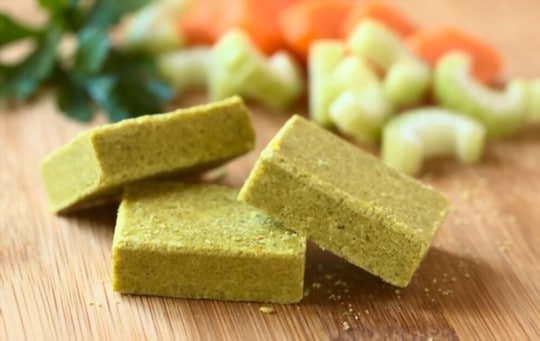
Few things are more satisfying than a delicious bowl of soup.
Something about the warmth and comfort of a steaming bowl of broth just hits the spot.
And what's even better is when that soup is packed with healthy veggies.
That's where vegetable bouillon comes in.
Bouillon is a type of concentrated broth made by simmering vegetables in water.
The result is a tasty, nutrient-dense broth that can be used to make all kinds of soups and stews.
Plus, bouillon is super easy to make at home - all you need are some veggies, water, and time.
So next time you're craving soup, reach for the bouillon and whip up something healthy and delicious.
For baking or recipes needing a solid fat instead of liquid flavoring, vegetable shortening substitute options for baking outlines good swaps.
- Key Characteristics: Vegetable bouillon is a concentrated vegetable flavor packed into a convenient powdered or cube form. It offers an easy substitution for vegetable stock.
- Proper Ratio: Follow the instructions on the packaging to determine the proper ratio of vegetable bouillon to water for your recipe. Adjust the quantity based on the desired level of flavor.
2 - Chicken or Beef Stock
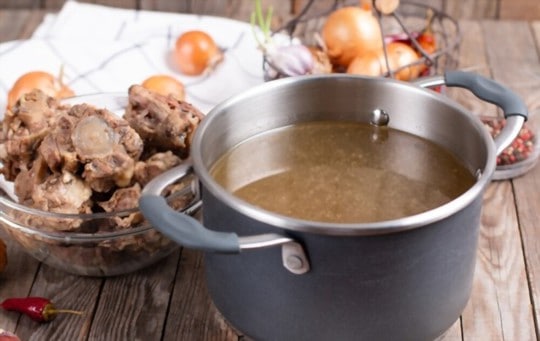
Chicken stock and beef stock are both key ingredients in many recipes.
Simmering bones and vegetables make both in water, and they can be used interchangeably in most cases.
However, there are some important differences to consider.
Chicken stock is generally lighter in flavor than beef stock, and it also has a higher ratio of water to solids.
This makes it ideal for soups and sauces that require a delicate balance of flavors.
On the other hand, beef stock is richer and more strong in flavor.
It also has a lower ratio of water to solids, which gives it a thicker consistency.
As a result, beef stock is better suited for hearty stews and braises.
Whichever you choose, choose a quality product from the grocery store or make your own at chicken stock concentrate swap ideas to control flavor and sodium.
- Key Characteristics: Chicken or beef stock is a flavorful liquid made from meat, offering a different taste profile than vegetable stock. It can add depth and richness to your dishes.
- Proper Ratio: Use an equal amount of chicken or beef stock as a substitute for vegetable stock. Adjust the quantity based on personal preference and the flavor you want to achieve.
3 - Mushroom Broth
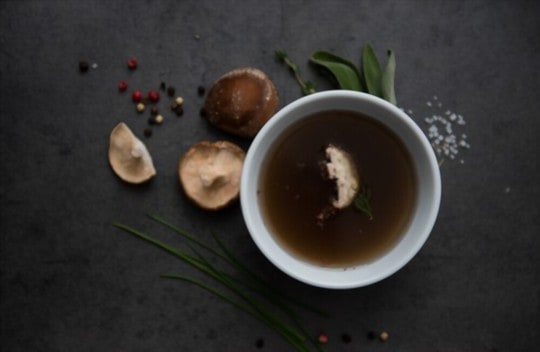
The mushroom broth is a savory, umami-rich cooking liquid that can be used in various dishes - for concentrated alternatives, consult mushroom stock substitute options.
While it's often used as a base for soups and stews, mushroom broth can also be used to deglaze a pan or add flavor to risotto or rice.
The mushroom broth is easy to make at home with just a few simple ingredients.
First, roughly chop a pound of mushrooms and sauté them in oil until they're golden brown.
Next, add six cups of water and any additional seasonings (such as thyme, bay leaves, or garlic) and bring the mixture to a boil.
Finally, reduce the heat and simmer for 30 minutes.
Strain the broth through a fine-mesh sieve and store it in an airtight container in the fridge for five days.
Mushroom broth adds depth of flavor to any dish, and it's a great way to use up any extra mushrooms you might have on hand.
- Key Characteristics: Mushroom broth is a savory liquid made from mushrooms, providing an earthy richness to dishes. It is an excellent substitute for vegetable stock, especially in vegetarian or vegan recipes.
- Proper Ratio: Use an equal amount of mushroom broth as a substitute for vegetable stock. Adjust the quantity based on personal preference and the desired level of mushroom flavor.
4 - Homemade Broth
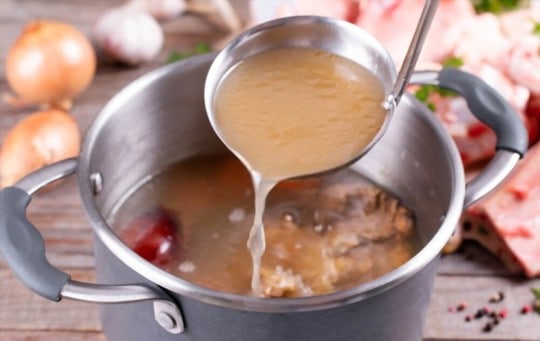
Nothing quite compares to a homemade broth.
Whether you're using it as a base for soup or just sipping it on its own, the rich flavor and nutrients make it a delicious and nourishing option.
And the best part is that it's so easy to make.
Simply simmer bones and vegetables in water for several hours, and you'll have a homemade broth packed with flavor and goodness.
While many store-bought options are available, there's nothing quite like the taste of broth that you've made yourself.
So next time you're looking for a delicious and healthy option, give the homemade broth a try.
If a recipe calls for a richer, meat-forward base instead of vegetable-based homemade broth, beef broth substitute suggestions highlights suitable alternatives.
- Key Characteristics: Homemade broth is a flavorful and customizable liquid made from scratch using various ingredients like vegetables, herbs, and spices. It allows you to tailor the flavors to match your recipe.
- Proper Ratio: Use your homemade broth as a substitute for vegetable stock. Adjust the quantity based on the recipe requirements and the desired intensity of flavors.
5 - Water

Cooking is an art, and like all artists, cooks need the right tools for the job.
When making soup, one of the most important ingredients is in stock.
Stock adds flavor and body to soups and stews, and it can be made from a variety of ingredients.
However, many people don't realize that water can be used as a substitute for stock.
While it won't add the same depth of flavor, it will still provide a nice base for your soup.
- Key Characteristics: Water is a neutral liquid that can serve as a base for other flavors. While it lacks the complexity of vegetable stock, it can be used as a substitute when other options are unavailable.
- Proper Ratio: Use water as a substitute for vegetable stock, but note that additional seasoning and ingredients may be needed to improve the flavor. Adjust the quantities based on the desired taste and the other components in your recipe.
Frequently Asked Questions
Vegetable Bouillon is the best substitute for Vegetable Stock because it shares a similar flavor and texture. Use it at a 1:1 ratio in any recipe that calls for Vegetable Stock.
Absolutely. Vegetable Bouillon is the closest swap.
Chicken or Beef Stock also works in a pinch. Match the original amount and tweak from there.
Can this substitute be used in baking as well as cooking?
Some work in both, but baking is less forgiving.
Substitutes that alter fat content, sweetness, or moisture can shift the structure of baked goods.
Test with a small batch first.
Frozen substitutes sometimes change texture after thawing. This matters more in raw applications like salads than in cooked dishes where texture is softened by heat anyway.
Swap options for seafood broths may overlap with vegetable stock uses. 5 BEST Substitutes for Seafood Stock lists comparable choices. 5 BEST Substitutes for Shrimp Stock provides shrimp-specific alternatives.