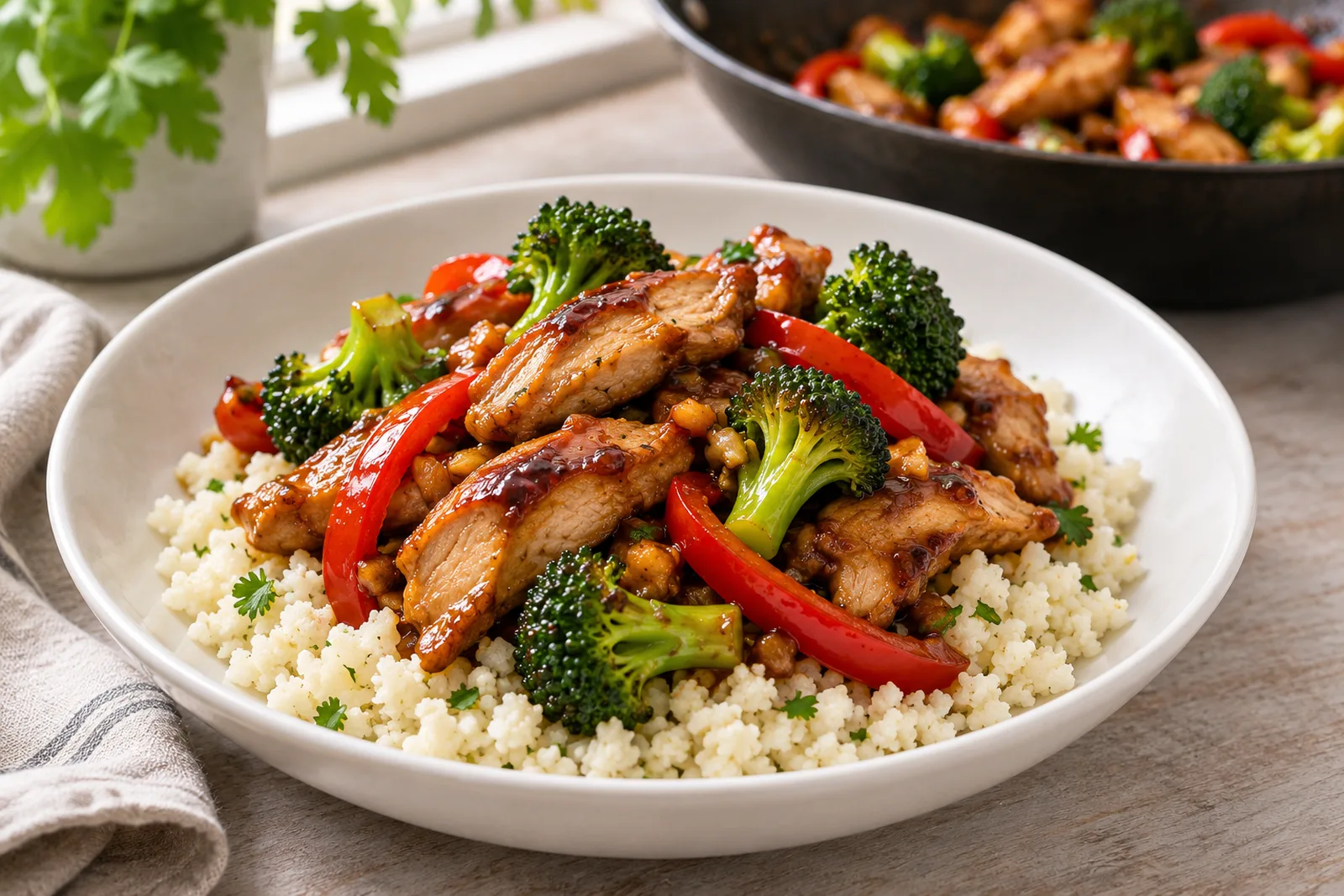
For a dinner at home with almost no carbs, you choose zucchini, hearts of palm, shirataki, kelp or cabbage noodles.
- Each has 1 to 3 g net carbs per serving, against 36 g in a cup of cooked spaghetti.
- For a pasta bite, lupini or edamame pasta has about 2 to 7 g net carbs per 2 oz.
- Spaghetti squash and cauliflower gnocchi cut carbs without removing them.
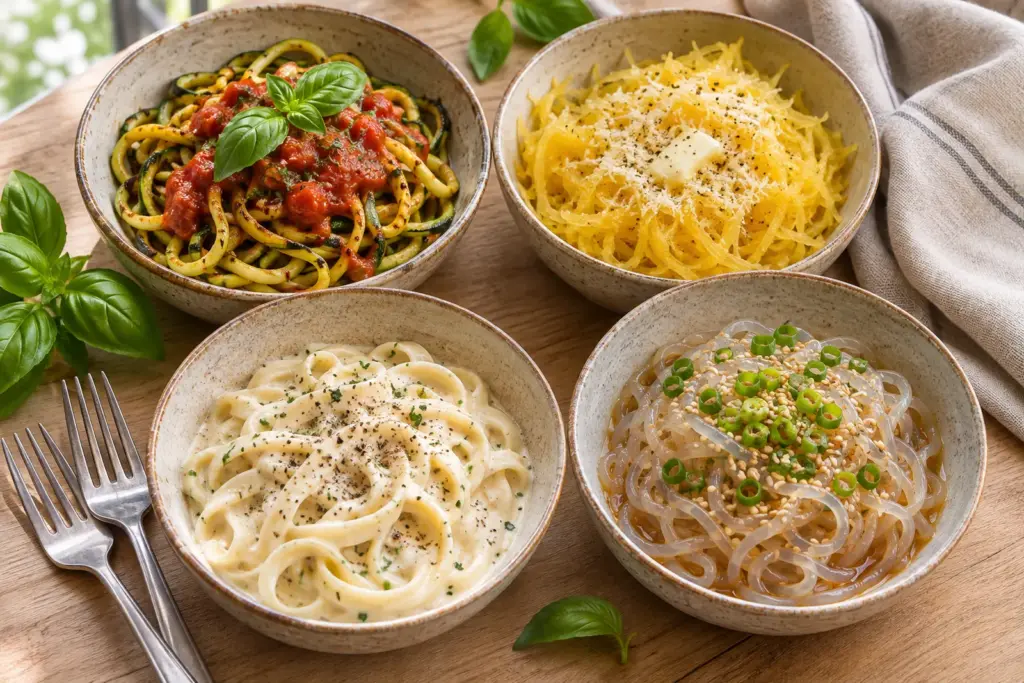
You are choosing between two jobs: a noodle with almost no carbs, or a pasta shape with far fewer carbs than wheat, and each type cooks differently.
You will see a net carb number (total carbohydrate minus fiber) next to every serving below, taken from USDA FoodData Central or the package label.
1. Net Carbs Per Serving, Side by Side
The tables start with plain spaghetti so you can see how far each swap drops. A cup of cooked spaghetti has about 36 g net carbs, and 2 oz of dry spaghetti has about 40 g.
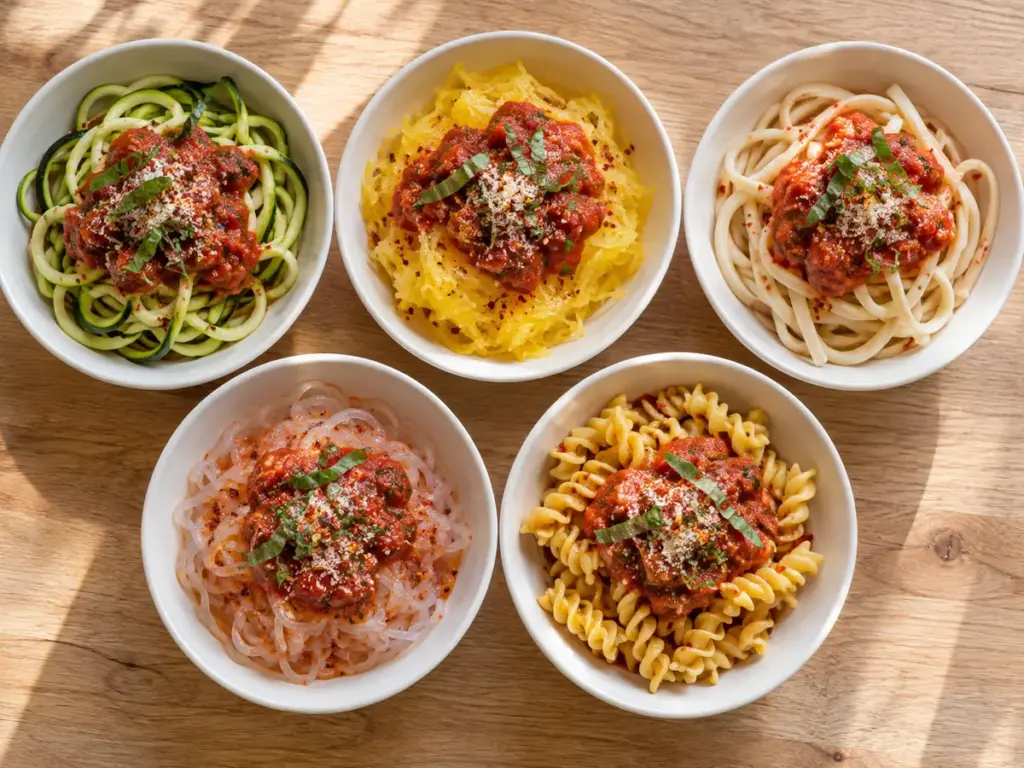
| Option | Serving | Net carbs | How you cook it |
|---|---|---|---|
| Cooked wheat spaghetti (for comparison) | 1 cup cooked, 124 g | 36 g | Boil |
| Zucchini noodles | 1 cup raw, sliced, 113 g | 2 g | Sauté 2 to 3 minutes |
| Spaghetti squash | 1 cup cooked, 155 g | 8 g | Roast 35 to 45 minutes |
- Cabbage ribbons have 3 g net carbs per 1 cup raw, chopped (89 g), and you sauté them 6 to 8 minutes.
- Eggplant sheets have 2 g net carbs per 1 cup raw cubes (82 g), and you salt them, then roast or grill.
- Celeriac noodles have 7 g net carbs per 1 cup cooked (155 g), and you sauté them 5 to 7 minutes.
Cucumber noodles have 3 g net carbs per 1 cup sliced (104 g), and you use them raw in cold dishes only. Carrot noodles have 8 g per 1 cup of strips (122 g), and you sauté them 3 to 5 minutes.
- Green bean strips have 4 g net carbs per 1 cup raw pieces (100 g), and you stir-fry them quickly.
- Cauliflower rice has 3 g net carbs per 1 cup raw, chopped (107 g), and you sauté it in minutes.
- Almond flour pasta (flour only) has about 2 g net carbs per ¼ cup (28 g), and you boil it gently 3 to 5 minutes.
- Lupini pasta (Kaizen) has about 2 to 6 g per 2 oz dry, per label, and you boil it 4 to 6 minutes.
- Edamame pasta (Explore Cuisine) has about 7 g per 2 oz dry, per label, and you boil it 3 to 5 minutes.
Cauliflower gnocchi (Trader Joe's) has 16 g net carbs per 1 cup (140 g), per label, and you pan-fry it from frozen. Egg and cream cheese noodles use 2 eggs plus 2 oz cream cheese, have about 4 g net carbs, and you bake a thin sheet, then slice it.
The vegetables are listed raw or cooked as noted and change size in the pan, so you weigh them when you are counting carefully. Brand numbers come from the package label and shift between brands and recipes, so you should check the box you buy.
2. Best Pasta Alternatives for Keto, Low-Calorie and Healthy Eating
Which Swaps Work for Keto or a No-Carb Plate?
No pasta swap has exactly zero carbs. If you want the closest thing, tofu shirataki, kelp, zucchini, hearts of palm and eggplant run 1 to 2 g net carbs per serving.
The pasta-shaped options cost you more carbs: lupini and edamame pasta run about 2 to 7 g, while a cup of cauliflower gnocchi uses 16 g.
Sauce adds carbs of its own, and a sweet jarred marinara can add more than the noodles do, so you should read the sauce label too.
Which Swaps Have the Fewest Calories?
A cup of cooked spaghetti has about 196 calories, while a cup of most vegetable noodles has under 50, going by USDA FoodData Central.
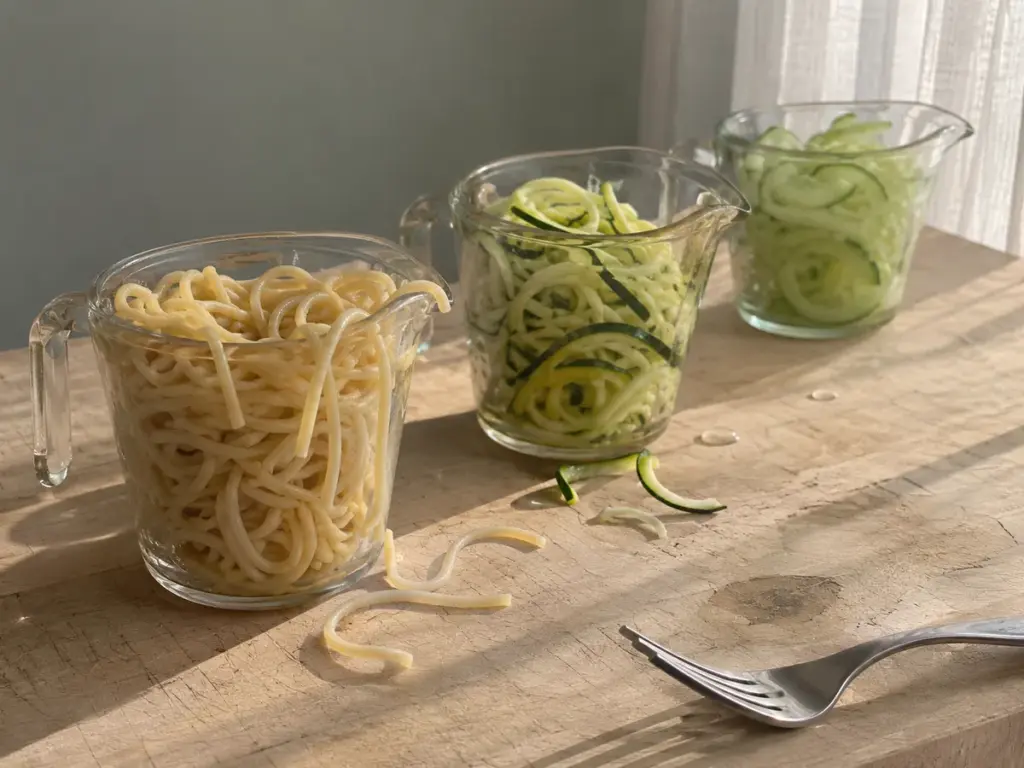
| Option (1 cup) | Calories |
|---|---|
| Cucumber noodles | 16 |
| Zucchini noodles | 19 |
| Eggplant cubes | 20 |
| Cabbage ribbons | 22 |
| Cauliflower rice | 27 |
| Green bean pieces | 31 |
| Spaghetti squash | 42 |
| Celeriac noodles | 42 |
| Carrot strips | 50 |
Packaged noodles go lower still, since retail labels list about 6 calories for kelp noodles and about 20 per serving for hearts of palm pasta, with tofu shirataki at 10 to 20 per 4 oz depending on the listing.
Bean pastas cut the carbs but not the calories, since edamame spaghetti lists 180 calories per 2 oz dry, against about 211 for the same weight of enriched wheat spaghetti.
Healthy Swaps That Are Not Low-Carb
If you want more fiber and protein and are not counting carbs, whole-wheat, chickpea and lentil pasta are the usual picks.
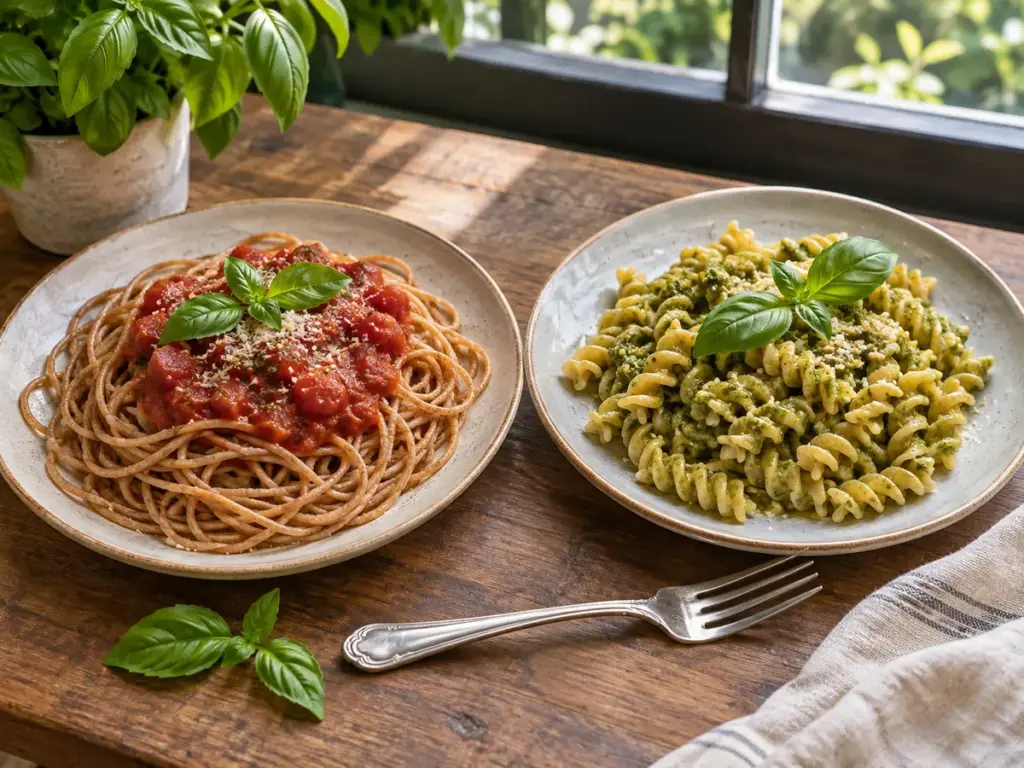
A cup of cooked whole-wheat spaghetti has about 4.6 g fiber and 31 g net carbs, against 2.2 g fiber and 36 g net carbs for regular spaghetti.
Banza chickpea rotini lists 190 calories, 35 g carbohydrate and 5 g fiber per 2 oz dry, which is about 30 g net carbs, so it works as a protein-and-fiber swap that does little to cut carbs.
Red lentil pasta sits in the same range, and its earthy, slightly nutty flavor disappears under tomato or meat sauce.
Cooked quinoa has about 34 g net carbs and 222 calories per cup, so when you use quinoa in place of pasta, you add fiber and protein without cutting carbs.
3. Zucchini Noodles (Zoodles)
Zucchini noodles have a mild, slightly sweet flavor and almost nothing else, so you get a blank base for a strong sauce. A cup of raw sliced zucchini has about 2 g net carbs, which leaves room for a big bowl.
The one problem you will run into is water, because zucchini leaks it as soon as it heats and turns a zoodle dinner into soup. You can prevent that with three habits:
- A pinch of salt pulls water out. You toss the spirals with it, rest them on paper towels for 10 minutes, then pat them dry.
- A hot pan for 2 to 3 minutes is enough. In olive oil or butter, you stop once they turn bright and bendy.
- The sauce goes in at the end. You toss it in off the heat, so the noodles do not simmer in it.
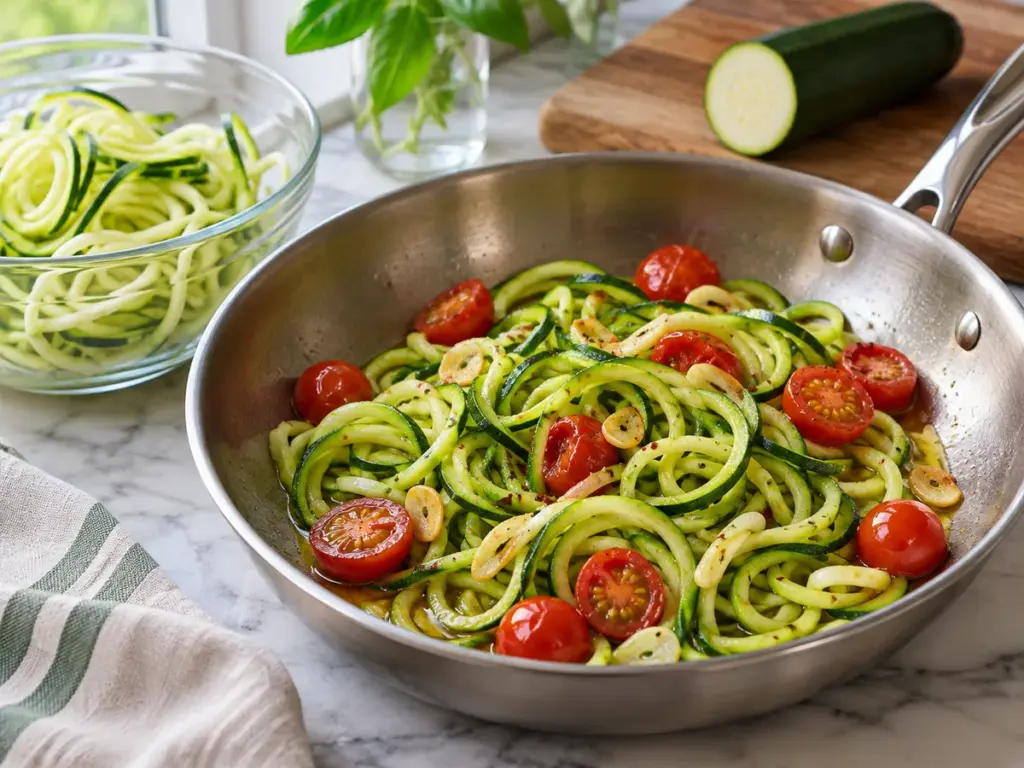
A thin, bold sauce coats the strands without adding more liquid, which is why basil zucchini noodle pesto suits them, and so do garlic and olive oil, lemon or marinara.
If you skip the 10-minute salt rest, a bowl of zoodles is on the table in under 10 minutes, and it sits lighter than pasta while still feeling like dinner.
Zucchini Ribbons for Lasagna
With a mandoline or knife, you can cut zucchini into long, thin strips and use them in place of lasagna sheets.
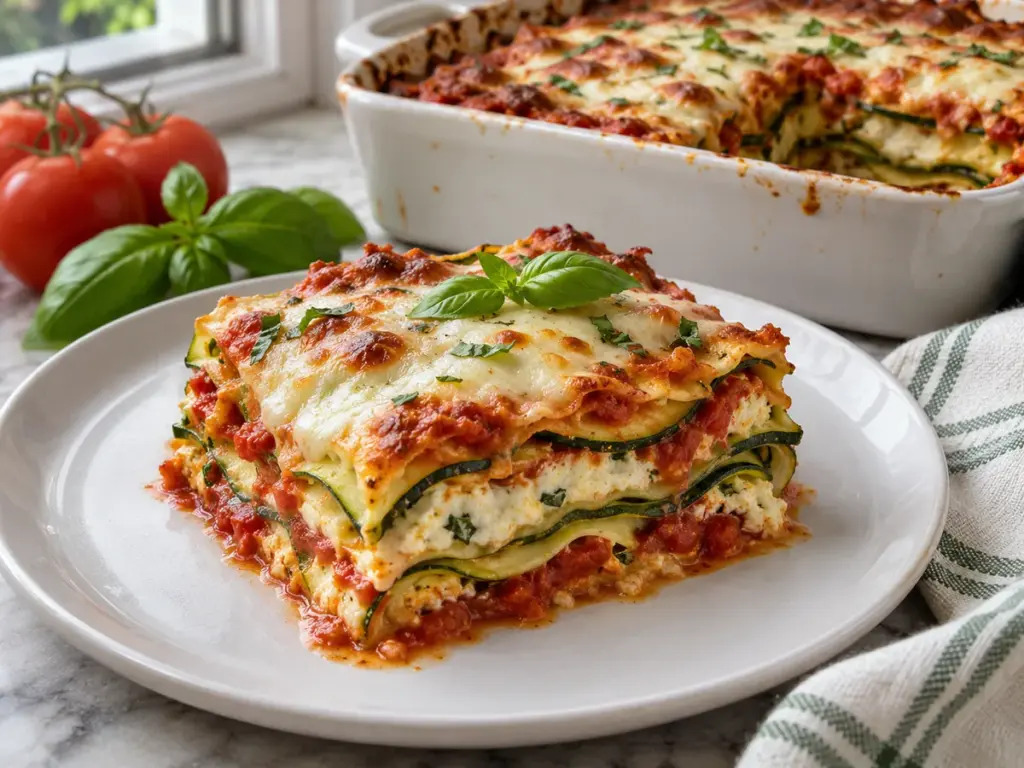
After you salt the strips and pat them dry, you layer them with sauce, ricotta and cheese and bake until bubbly and golden.
The zucchini softens into the cheese and sauce without falling apart, so you get a slice that is still cheesy and saucy, even though it will not pass for pasta.
4. Spaghetti Squash
Roasted spaghetti squash pulls apart into pale, lightly sweet strands, and you get about 8 g net carbs in a cup of cooked squash.
That is roughly a fifth of the carbs in a cup of spaghetti, and of the lower-carb options it feels the most like pasta.
Its sweetness balances salty parmesan, bacon or a meat sauce.
- Cut crosswise for longer strands. The strands run around the squash's middle, so you get longer noodles from rings than from halves cut lengthwise. Scoop out the seeds.
- Roast cut side down. At 400°F it takes about 35 to 45 minutes depending on size, until a knife slides easily through the rind.
- Rake with a fork. Scrape from the rind inward to pull the flesh into strands.
- Dry it, then sauce it. Squeeze the strands in a clean towel or toss them in a hot dry pan for a minute, then add sauce so it does not turn watery.
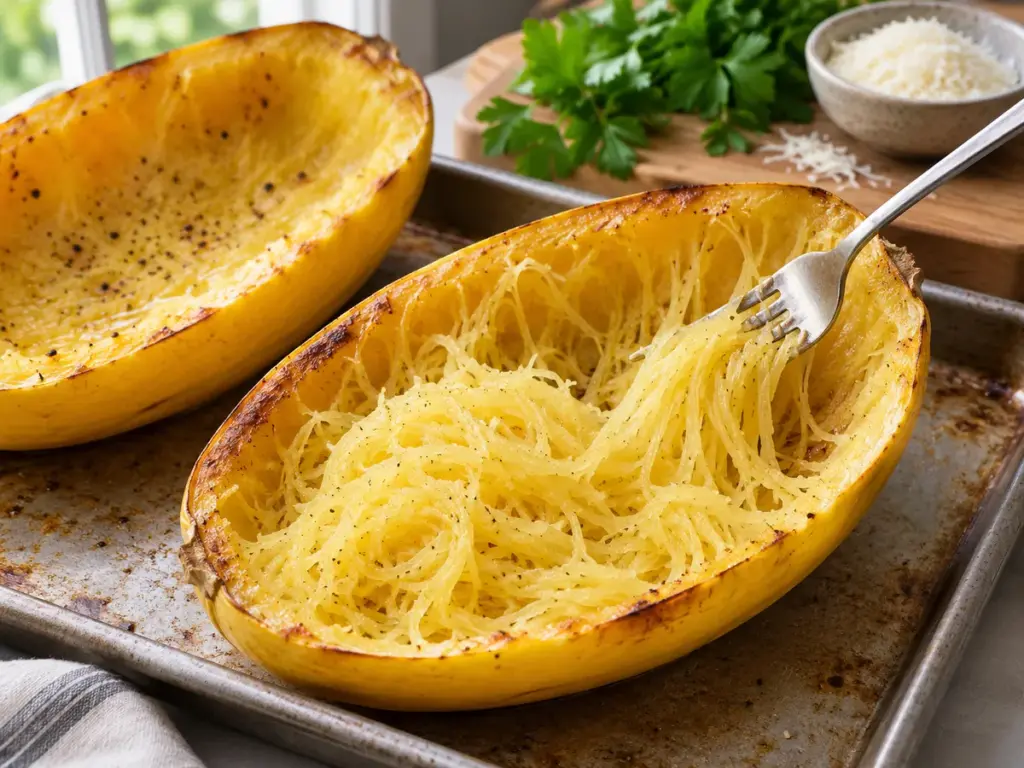
The strands hold up under thick sauces, so you can use squash in baked “spaghetti” casseroles and in quick weeknight bowls with butter and parmesan.
5. Cabbage, Eggplant, Celeriac and More Vegetable Noodles
These vegetables cost little, and you will find them in most grocery stores. None of them passes for fettuccine, and each one suits a different dish, from lasagna layers to cold salads.
Cabbage Ribbons
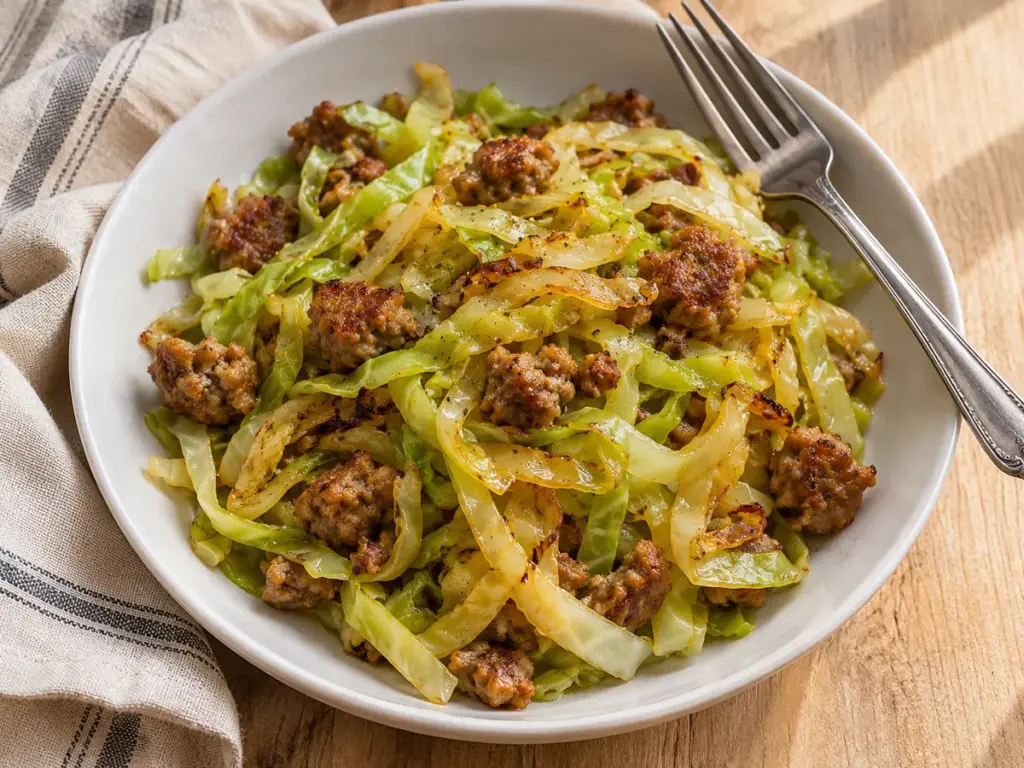
If you slice cabbage into thin ribbons and sauté them in butter or oil over medium heat for 6 to 8 minutes, they turn tender and sweet.
A cup of raw chopped cabbage has about 3 g net carbs, and the ribbons cook down a lot, so you will want to start with more than looks reasonable.
You can pair them with smoky, salty partners like sausage and bacon, or with a sesame and soy sauce.
Eggplant Sheets for Lasagna
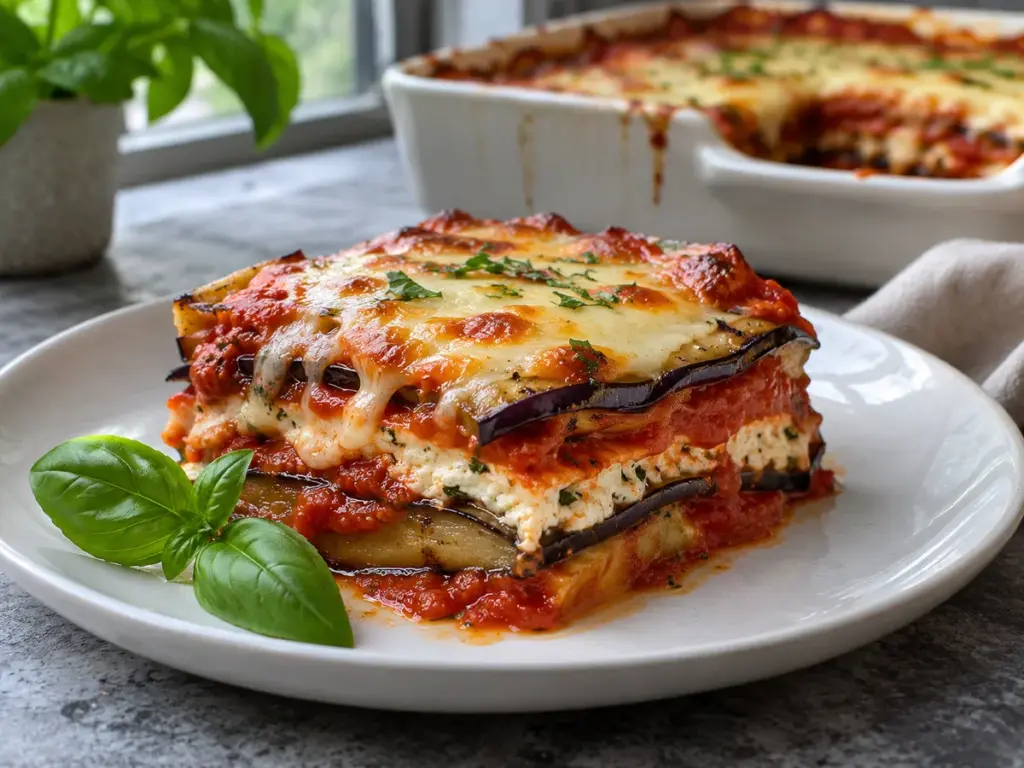
Eggplant takes the place of lasagna noodles in layered dishes, and a cup of raw cubes has about 2 g net carbs. You prep it in four steps:
- Slice lengthwise. Cut it into ¼-inch strips.
- Salt and wait. Salt the strips and let them sit 10 to 15 minutes.
- Pat dry. Blot off the water the salt pulled out.
- Oil and cook. Brush with olive oil and roast or grill until tender.
If you skip the salting and drying, the eggplant's water ends up in your lasagna. Eggplant also holds its shape when you slice it thick enough, and it works in roll-ups as well as layers.
Celeriac Noodles
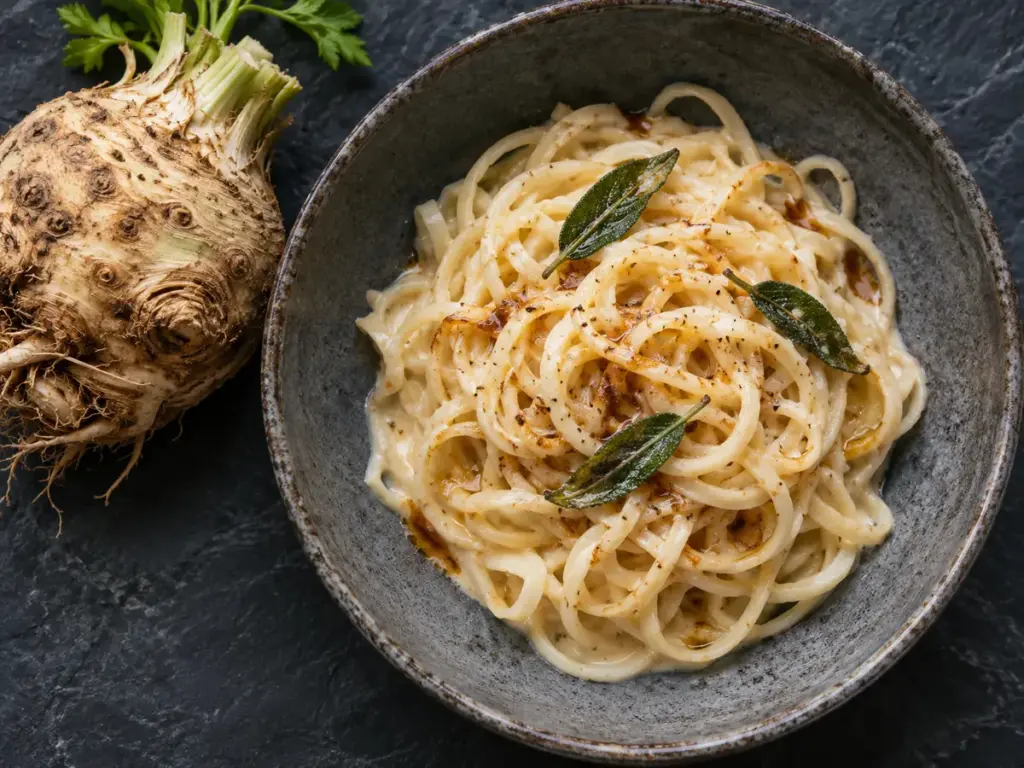
Celeriac, also called celery root, is knobby outside and pale inside, with a nutty, celery-like flavor. You peel it well, spiralize or slice it thin, and sauté it in olive oil for 5 to 7 minutes until just tender.
It keeps a firm bite in cream sauce and browned butter, which zucchini cannot do.
You pay for that in carbs, since a cup cooked has about 7 g net carbs, close to spaghetti squash and well above zucchini.
Cucumber Noodles for Cold Dishes
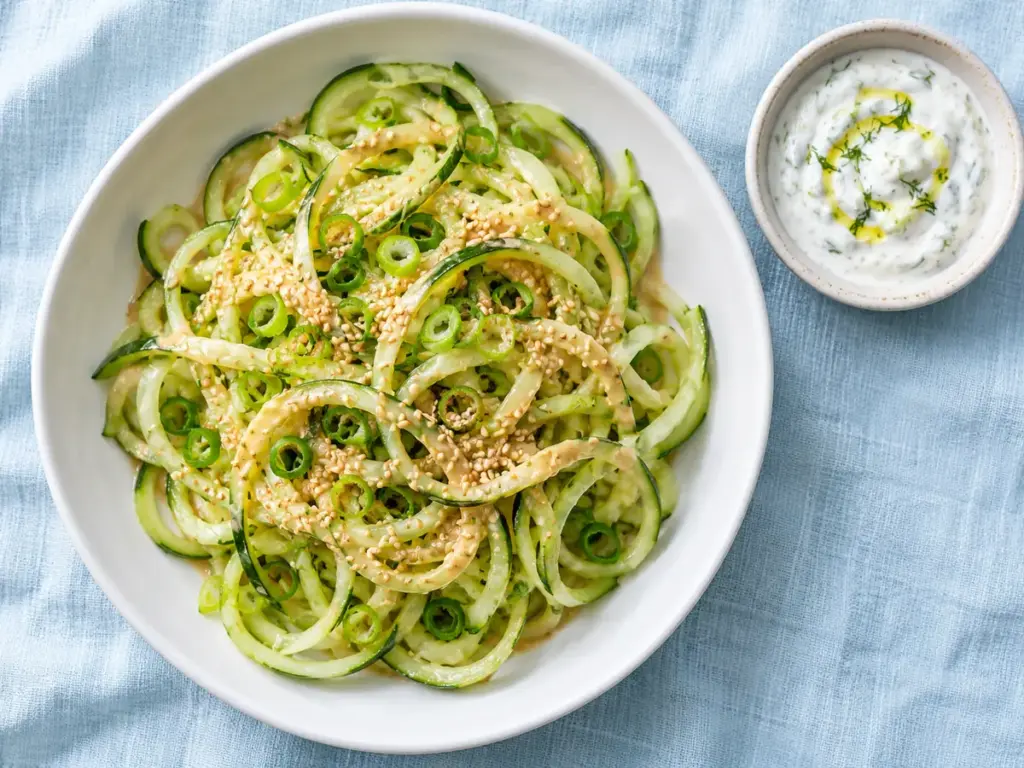
Once you spiralize it and pat the strands dry with paper towels, you toss them with sesame dressing or a garlic yogurt sauce right before serving.
A cup of slices has about 3 g net carbs. You do not cook it at all, which makes it the easy pick on a hot day.
Spiralized Carrot Noodles
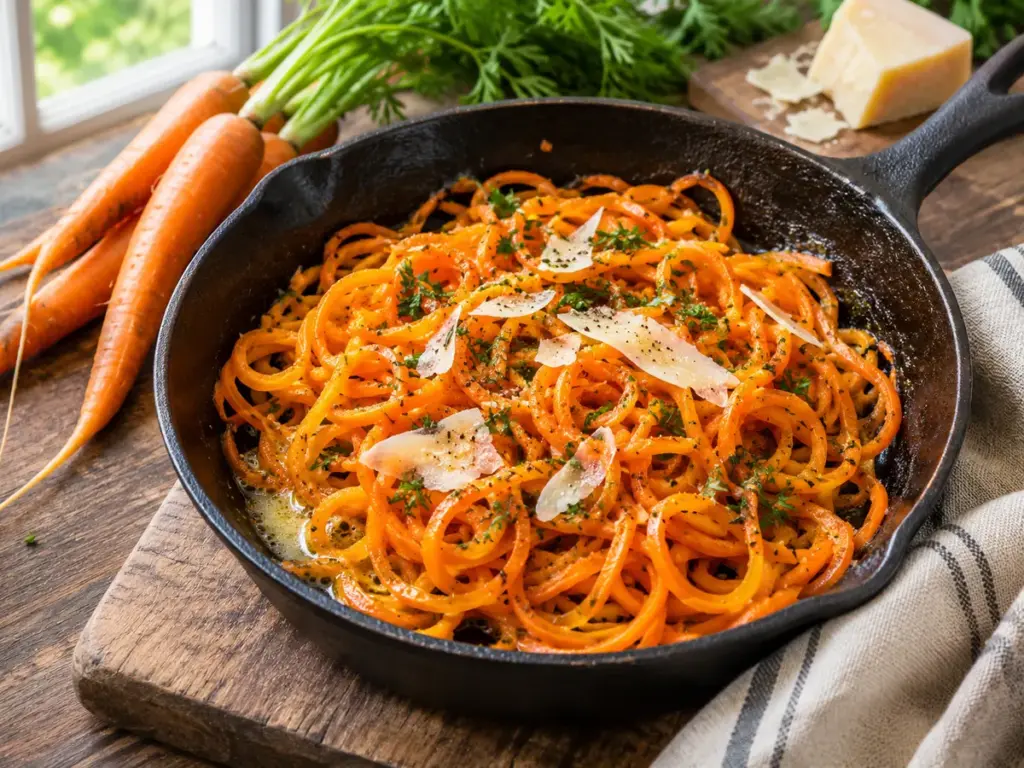
Carrots make a bright, slightly sweet noodle that holds together better than zucchini and releases less water.
Once you spiralize thick carrots, a sauté of 3 to 5 minutes in oil or butter leaves them with a little bite. They suit quick stir-fries and simple buttered noodles.
The catch is carbs, since a cup of carrot strips has about 8 g net carbs, as many as spaghetti squash, which puts carrots in the lower-carb group and well above the near-zero swaps.
Green Bean Noodles
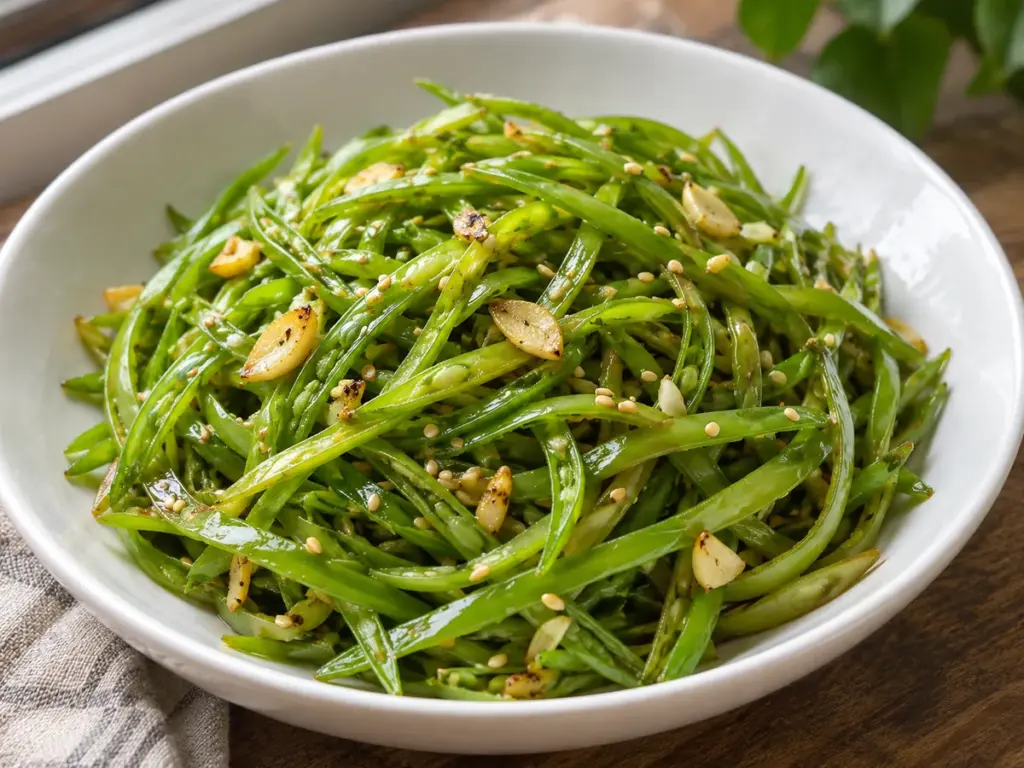
If you slice green beans lengthwise into thin strips, you get crisp-tender, noodle-like pieces that hold sauce and snap when you bite them.
You can stir-fry them quickly in oil or toss them cold with garlic, sesame oil and soy sauce, and a cup of raw green beans has about 4 g net carbs.
Cauliflower Rice Stir-Fry Noodles
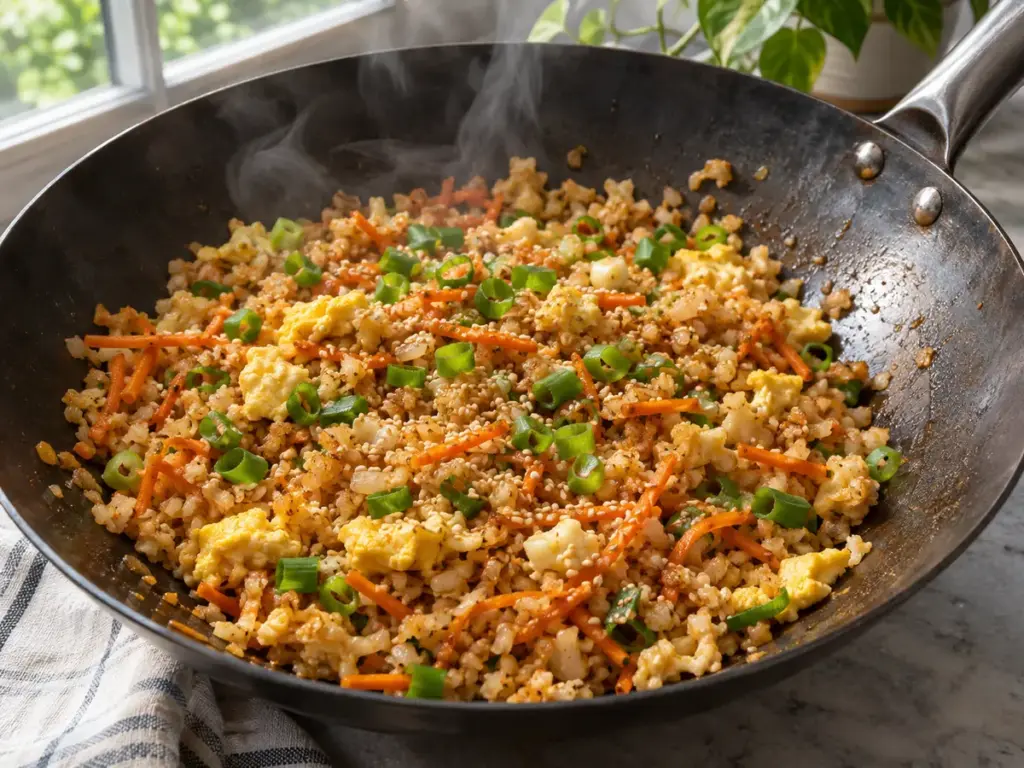
Cauliflower rice can stand in for noodles in a fried-noodle dish, and you sauté it with scrambled egg, soy sauce, garlic and shredded vegetables, then top it with scallions or chili oil.
It takes bold flavor easily and cooks in minutes, and a cup of raw cauliflower rice has about 3 g net carbs, so you can build a full low-carb dinner on it.
6. Hearts of Palm, Shirataki and Kelp Noodles
These come ready to use in a pouch or bag, which makes them the fastest options here and the lowest in carbs. All three need a rinse before they taste like much.
Hearts of Palm Pasta (Palmini)
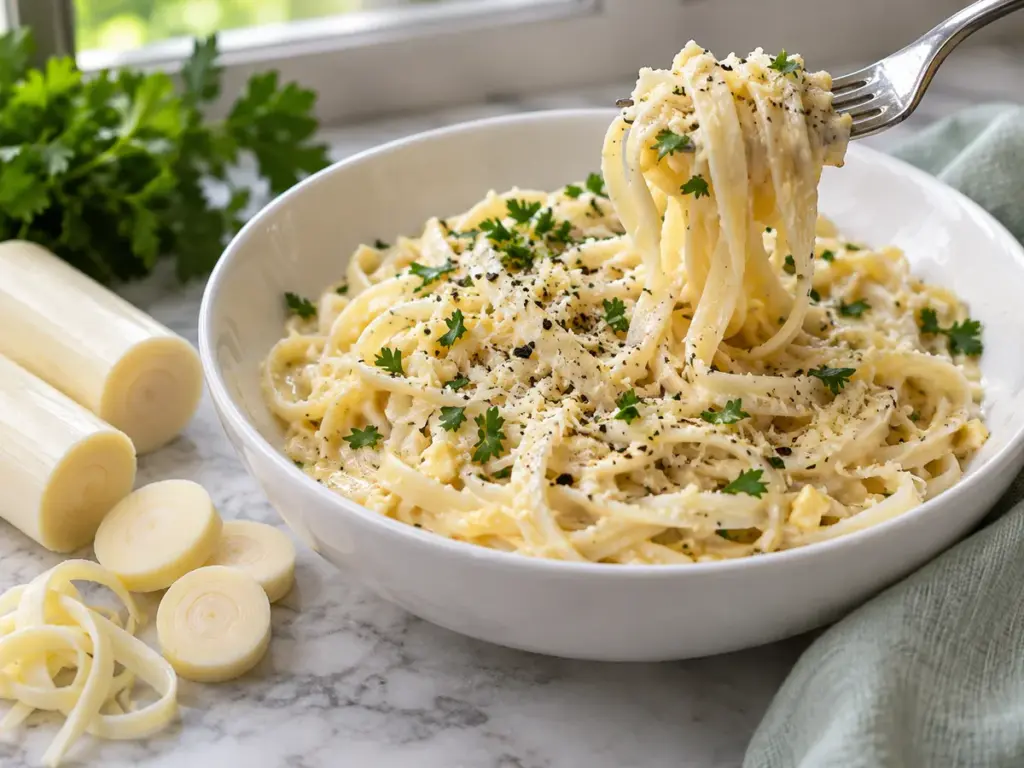
Palmini is sliced hearts of palm cut to look like linguine, with a mild, briny flavor that fades once you add a creamy sauce.
The label lists 4 g carbohydrate and 2 g fiber per 75 g serving, which is 2 g net carbs. USDA's figure for canned hearts of palm is close, at about 2 g net per 100 g.
You can use it in casseroles and baked dishes where you would normally use ziti or penne, because it is firmer than most vegetable noodles and does not fall apart in sauce.
Once you drain and rinse it to mellow the brine, you warm it gently in the sauce, where it goes well with Alfredo, meat sauce and pesto.
Shirataki Noodles
Shirataki, sometimes sold as miracle noodles, are made from konjac root and are mostly water and fiber. A 4 oz serving of House Foods tofu shirataki spaghetti lists 3 g carbohydrate and 2 g fiber, so about 1 g net carbs.
The texture is slippery and chewy, and the liquid in the bag smells odd, which may put you off the first time.
When you weigh kelp versus shirataki, it mostly comes down to crunch against chew, since kelp noodles stay crunchier.
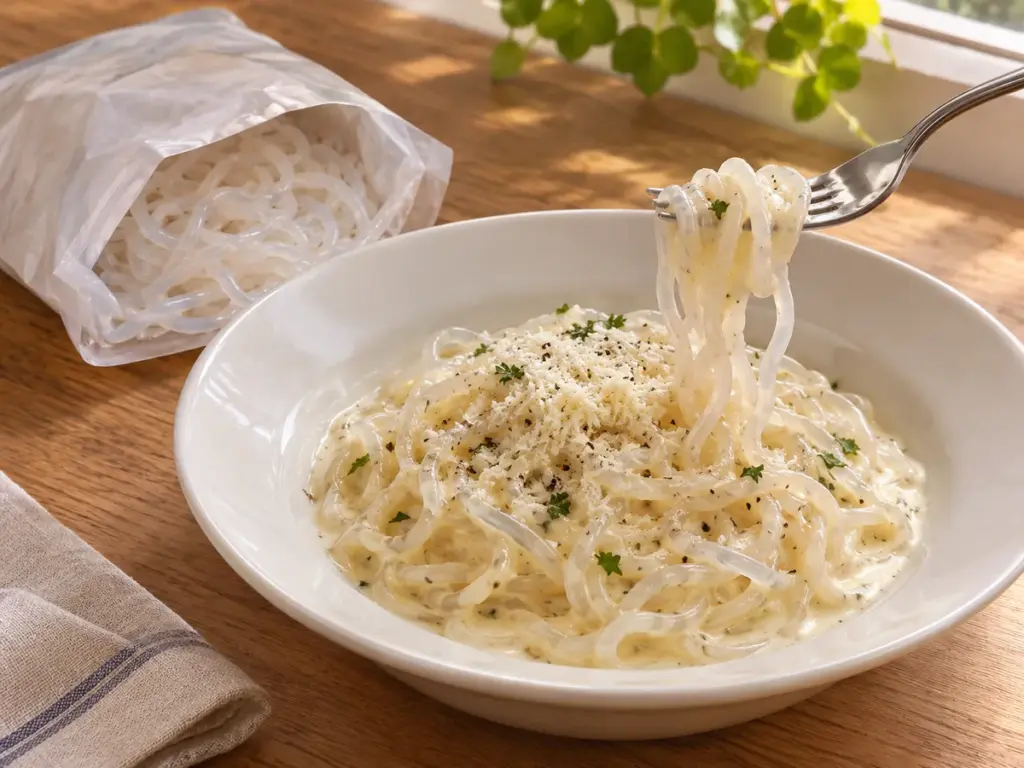
You can fix the smell and the rubbery texture in three steps:
- Rinse for 1 to 2 minutes. Use cold water to wash off the packing liquid.
- Boil for 2 to 3 minutes. This cuts any leftover odor.
- Dry-sauté in a hot pan for a few minutes. Keep going until the water cooks off, then add a bold sauce such as Alfredo or sesame peanut.
After the dry-sauté, the noodles get closer to regular noodles and take on the flavor of whatever sauce you use. Because they come pre-cooked and keep well in the fridge, they are fast once you get past the smell.
Konjac Rice and Pasta Blends
Some brands blend konjac flour with oat fiber or chickpea flour to make rice- and pasta-shaped products. They come pre-cooked and vacuum-sealed, and they are usually firmer and less bouncy than pure shirataki.
If plain miracle noodles put you off, these make a good in-between. You drain and rinse them first, then heat them in a dry pan to drive off the water before adding sauce or stir-fry ingredients.
Added flour changes the carb count, so you should read the label on those.
Kelp Noodles
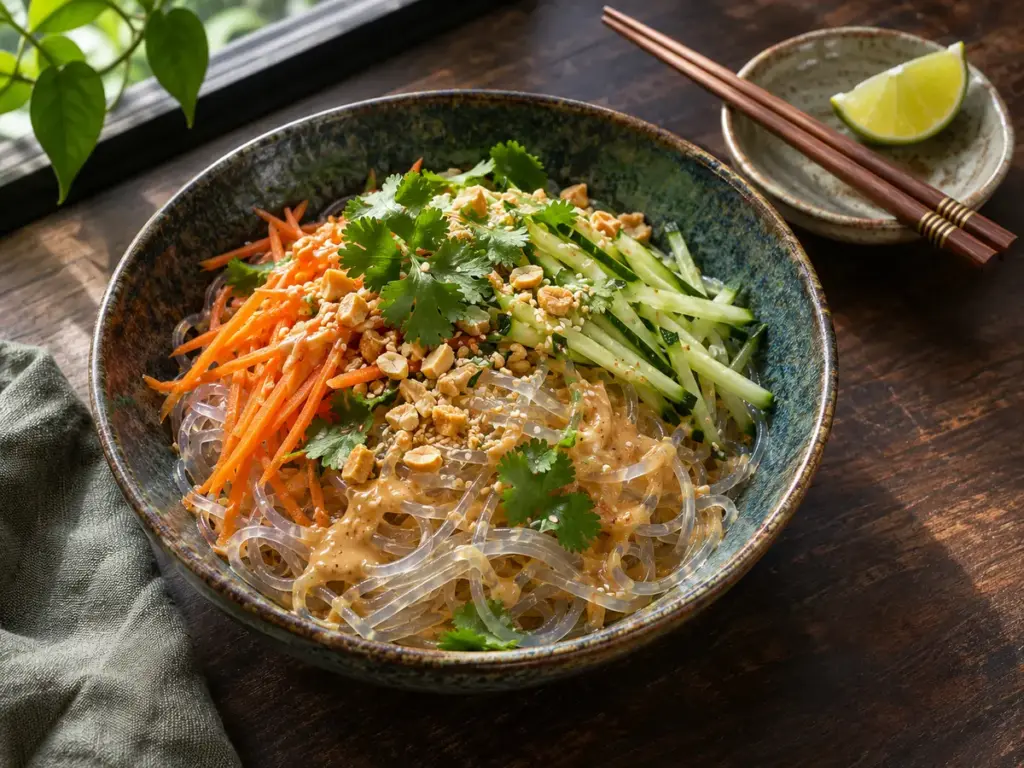
Kelp noodles are clear, neutral in flavor and slightly crunchy.
Retail listings of Sea Tangle's label show about 6 calories, 3 g of carbohydrate or less and 1 g of fiber in a 4 oz serving, which is 2 g net carbs or less. To soften them, you rinse them, soak them in warm water with a splash of lemon juice or a little baking soda for 20 to 30 minutes, and rinse them again.
In our view, their crunch suits cold, dressed dishes best, such as sesame noodle bowls, peanut sauces or a light Thai-style salad. A heavy, cheesy sauce tends to slide off their slick strands.
7. Pasta-Shaped Options: Almond Flour, Lupini, Edamame, Gnocchi and Egg Noodles
These five act most like pasta on your plate. They also cost more and have more carbs than the vegetable noodles above, so they fit best when a bowl of zoodles will not satisfy you.
Almond Flour Pasta
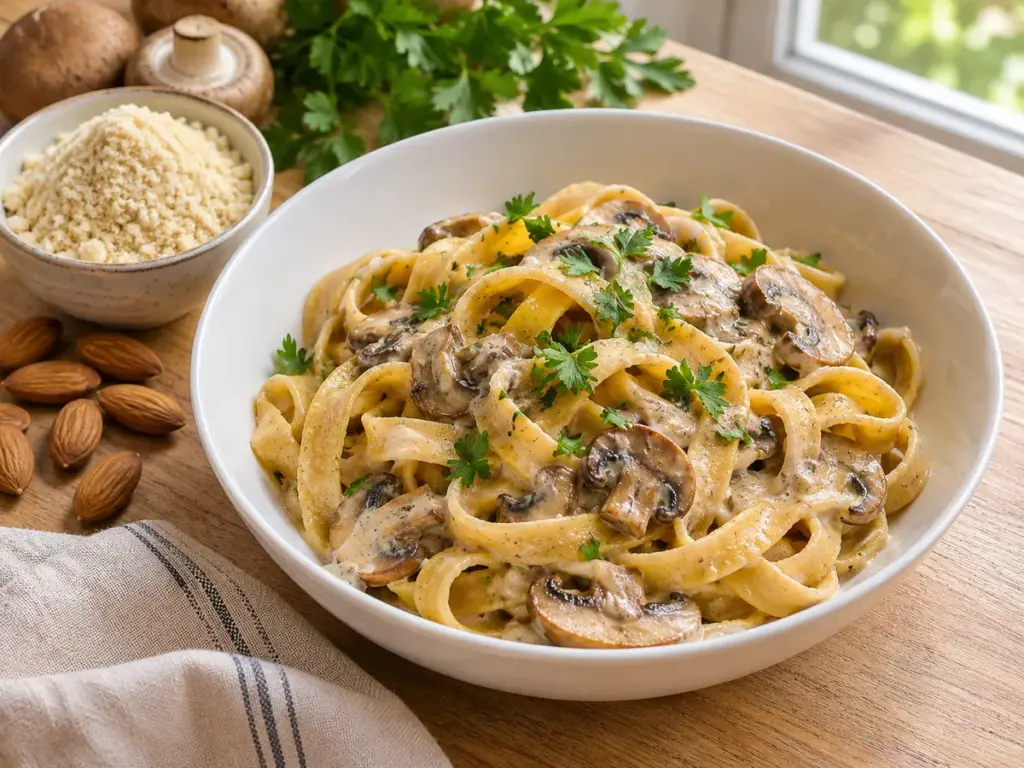
Almond flour pasta has a soft but sturdy texture and a mild nutty flavor that fades under a rich sauce such as meat ragu or creamy mushroom.
You can buy it or make it at home from almond flour, mozzarella and egg. You boil it gently for about 3 to 5 minutes depending on the brand, then add a thick or creamy sauce to balance the nutty base.
The flour itself has about 2 g net carbs per ¼ cup (28 g) and 165 calories, going by USDA's figures for blanched almonds, so you count the flour first and then add whatever cheese and egg your recipe uses.
Lupini Bean Pasta
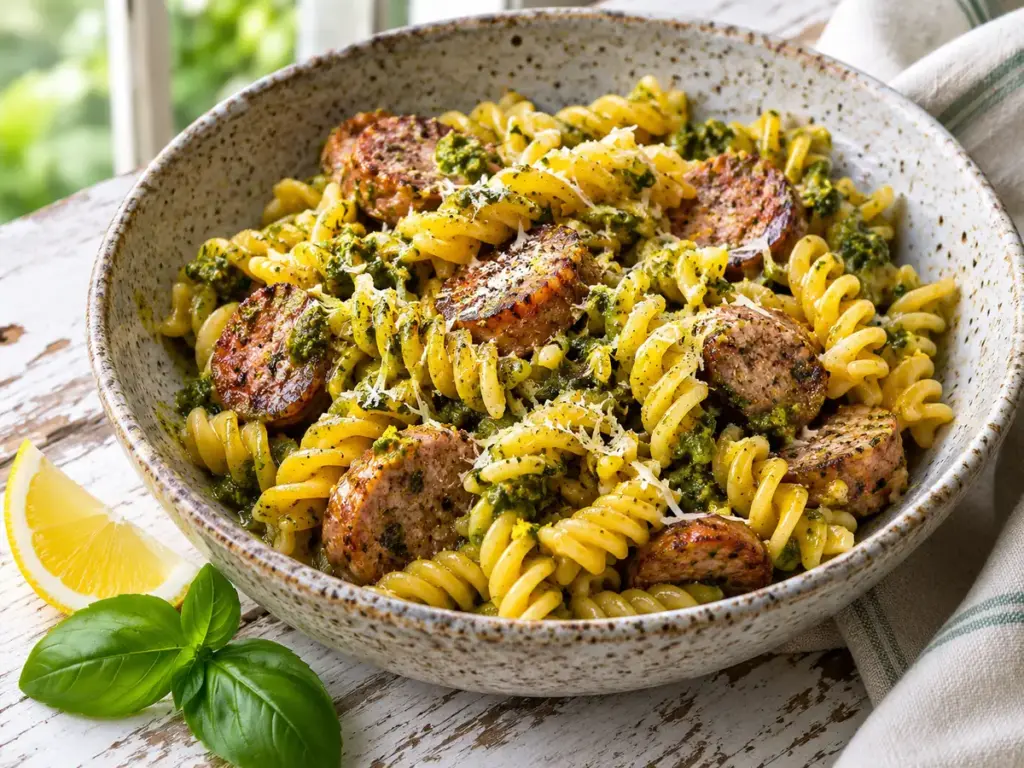
Lupini beans are a high-protein, high-fiber legume, and Kaizen makes pasta shapes from them. Kaizen's site lists its pastas at 1 to 9 g net carbs per serving depending on the shape.
Retailer listings give about 6 g net carbs per 2 oz dry for older boxes and as low as 2 g for newer ones, so you should check the label on your own box.
You get a firmer, denser bite than from most grain-free pastas.
Retailer listings put it near 19 g of protein per 2 oz, and there are three things you should know before you cook it:
- Cook time: Kaizen recommends no more than 4 to 5 minutes for fusilli and 5 to 6 minutes for other shapes, so it pays to taste it early.
- Pairings: it goes well with pesto, sausage, or olive oil and lemon.
- Allergy: if you have a severe peanut allergy, you should know that lupin is a legume related to peanut, and the AAAAI advises caution about lupin and peanut allergy.
Edamame Pasta
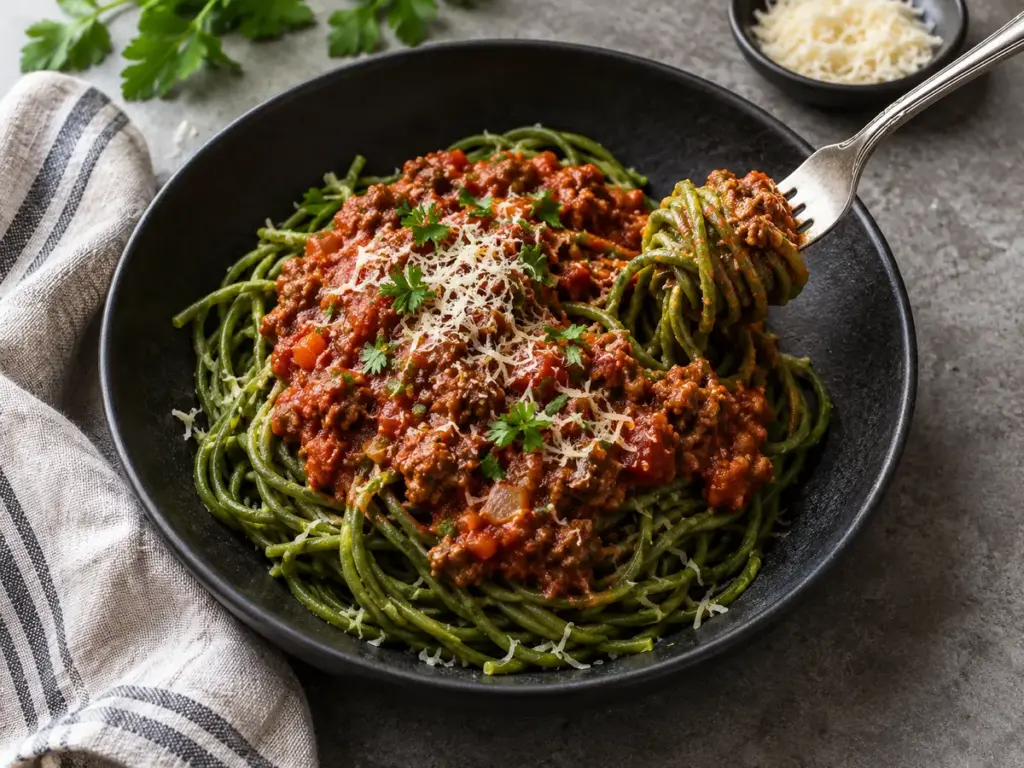
Edamame spaghetti is made from soybean flour alone.
Explore Cuisine's label puts it at about 12 g net carbs per 100 g dry, which is about 7 g net carbs for a 2 oz serving, with about 13 g of fiber and 12 g of protein per 2 oz serving.
The texture is firm and a bit dense, so it holds up under meat sauce, marinara or garlic butter with vegetables. Explore Cuisine's directions tell you to simmer it 3 to 5 minutes.
Cauliflower Gnocchi
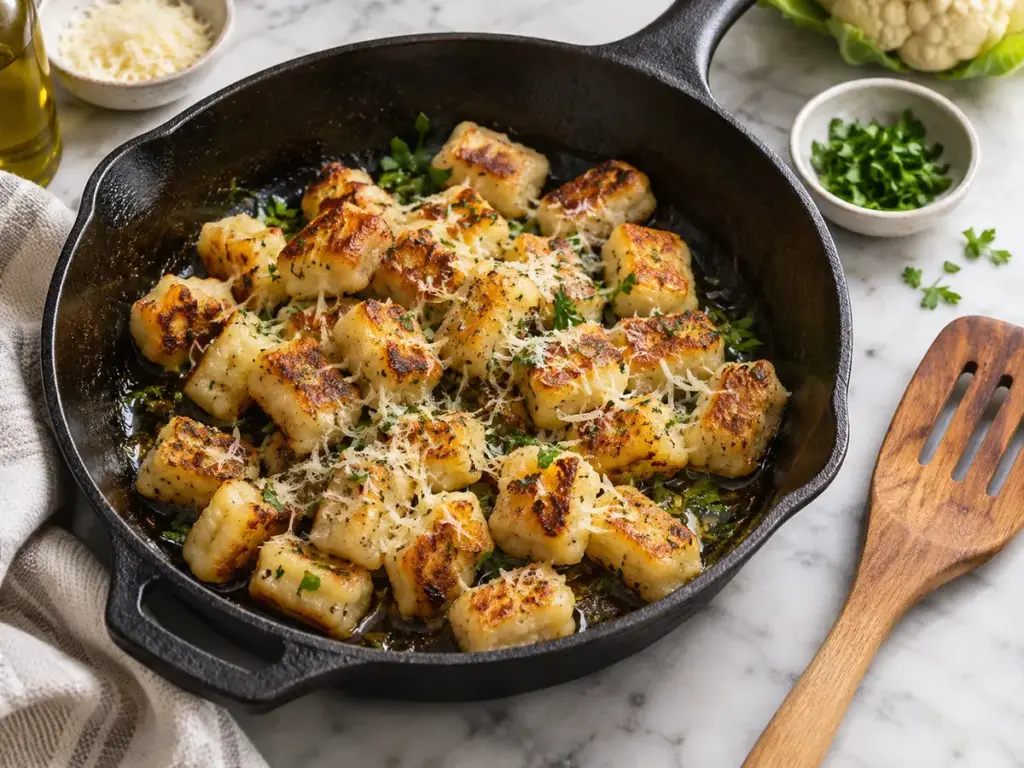
Cauliflower gnocchi has a chewy, tender texture that gnocchi fans like, but it cuts carbs without making the meal low-carb.
Trader Joe's label listing shows 22 g carbohydrate and 6 g fiber per 1 cup (140 g) serving, so about 16 g net carbs, less than half of a cup of spaghetti.
It is made mostly from cauliflower with a little cassava flour and potato starch, which is where the chew comes from.
You can skip the boiling and pan-fry it from frozen in olive oil over medium heat for 8 to 10 minutes until golden and crisp on both sides. It takes pesto, tomato sauce or browned butter well, and it also works plain with herbs and parmesan.
Egg and Cream Cheese Noodles
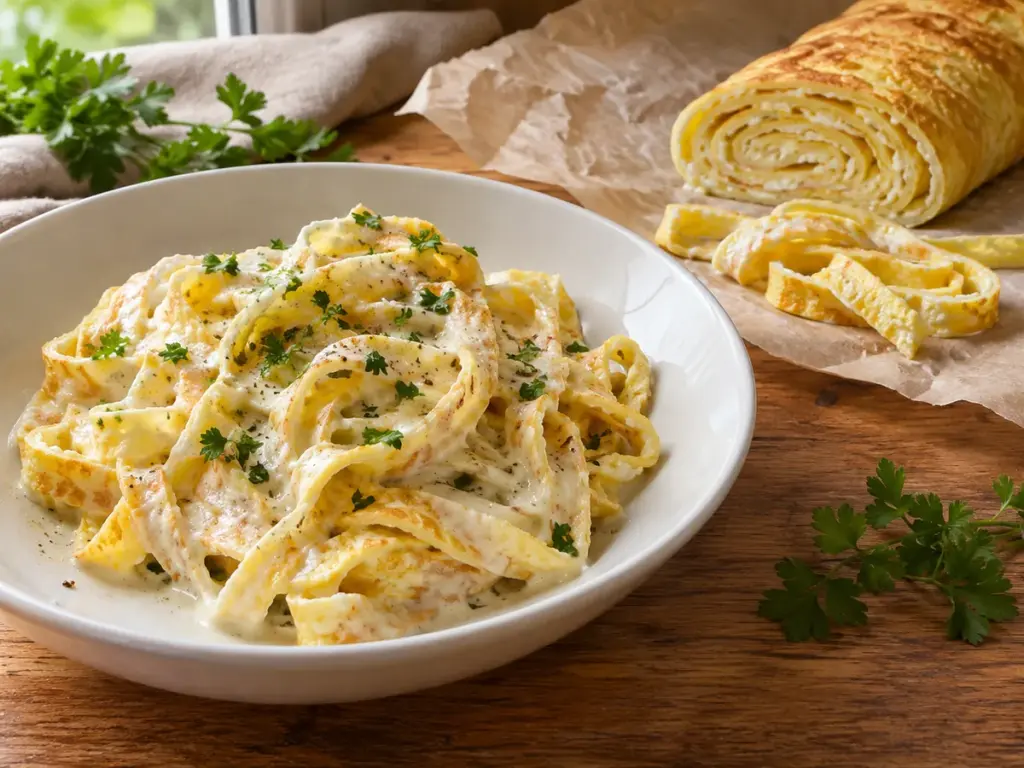
You blend 2 eggs with 2 oz of cream cheese, then make the noodles in three steps:
- Spread it thin. Pour the batter onto a parchment-lined sheet.
- Bake until just set.
- Roll and slice. Roll the sheet up and slice it into ribbons.
USDA numbers put that at about 4 g carbs with no fiber, so it counts as 4 g net. The noodles are rich, eggy and sturdy, so you can use them in creamy sauces and baked casseroles such as lasagna or baked ziti.
They tear if you spread the sheet thick, and they do not work in a thin tomato broth.
Some recipes use shredded mozzarella with a little psyllium or almond flour instead of cream cheese, which gives a firmer sheet. Either way the noodles are high in protein and fat and have no grain.
8. Which Low-Carb Noodle Goes With Which Sauce?
The right noodle depends on how much liquid the sauce adds and how much the noodle can take, so you can pick by sauce:
| Sauce or dish | Best noodles | Why they fit |
|---|---|---|
| Marinara or meat ragu | Spaghetti squash, lupini pasta, edamame pasta | Sturdy strands that stay in shape under a thick sauce |
| Alfredo and cream sauces | Hearts of palm, celeriac, shirataki | Firm or neutral, so they do not water the sauce down |
- With pesto, garlic and oil, or lemon, you will do well with zucchini or cabbage, which suit light sauces and cook in minutes.
- For sesame, peanut and soy, kelp, shirataki or cucumber work best because they are cold or room-temperature noodles that carry the dressing on top.
For stir-fry and soy-garlic, you can reach for green beans, carrots, cabbage or cauliflower rice, which are quick, crisp-tender pieces that take bold sauce. For lasagna and baked pasta, you want eggplant or zucchini sheets, hearts of palm or egg noodles, which layer and stay intact in the oven.
Sources
- USDA FoodData Central, Pasta, cooked, enriched (FDC 169737): 100 g cooked spaghetti has 30.86 g carbohydrate and 1.8 g fiber. Pasta, dry, enriched (169736) and whole-wheat pasta, cooked (168910): calories and fiber.
- USDA FoodData Central, Zucchini, raw (FDC 169291), spaghetti squash, cooked (169299), cabbage, raw (169975), eggplant, raw (169228): carbohydrate, fiber, calories and cup weights.
- USDA FoodData Central, Celeriac, cooked (FDC 169987), cucumber with peel, raw (168409), carrots, raw (170393), green beans, raw (169961), cauliflower, raw (169986): carbohydrate, fiber and calories.
- USDA FoodData Central, Hearts of palm, canned (FDC 168569), corn pasta, gluten-free, cooked (168900) and quinoa, cooked (168917).
- USDA FoodData Central, Nuts, almonds, blanched (FDC 170568): carbohydrate, fiber and calories for almond flour.
- USDA FoodData Central, Egg, whole, raw (FDC 171287) and cream cheese (173418): carbohydrate for the egg and cream cheese noodles.
- Kaizen Food Company, product information: net carb range and cook times for lupini pasta.
- Explore Cuisine, Edamame Spaghetti: simmer 3 to 5 minutes.
- American Academy of Allergy, Asthma and Immunology, Lupin and peanut cross reactivity.
- Package labels as listed by retailers: Palmini hearts of palm linguine (75 g serving), House Foods tofu shirataki spaghetti (4 oz), Sea Tangle kelp noodles (4 oz), Explore Cuisine organic edamame spaghetti (2 oz), Banza chickpea rotini (2 oz) and Trader Joe's cauliflower gnocchi (1 cup, 140 g).
Frequently Asked Questions
Which Pasta Alternative Tastes Most Like Real Pasta?
Lupini and edamame pasta have the firmest, most pasta-like bite, and almond flour pasta is the softest of the three.
Vegetable noodles taste like their vegetable, so they need a bold sauce, and you should not expect wheat pasta.
How Much of a Swap Equals One Serving of Pasta?
For the sturdy options, you swap by volume, and 1 cup of cooked squash, shirataki or bean pasta stands in for 1 cup of cooked pasta.
Raw vegetable noodles such as zucchini and cabbage cook down, so you start with more than the cup you want on the plate and weigh them if you are counting carbs.
What Works Best for a Cold Pasta Salad?
Cucumber noodles, kelp noodles and lupini fusilli all hold up cold, as long as you dress them right before serving.
Zucchini works too if you salt and dry it first, since it keeps leaking water as it sits.
Can You Make These Swaps Ahead for Meal Prep?
Cooked spaghetti squash and bean pastas reheat well, so you can cook one batch for several dinners.
Zucchini and cucumber noodles are best made the same day, with the sauce stored separately. Packaged shirataki, kelp and hearts of palm noodles come ready in the bag, so you need no prep at all.

Andrew Gray is the founder of Gusto Meadow, a food site for home cooks. He writes ingredient substitutes, food comparisons, taste guides, storage guides and dinner ideas, with numbers drawn from sources such as USDA, FDA and university extension services.
At Gusto Meadow, Andrew focuses on fresh, seasonal ingredients and simple methods that anyone can follow. His goal is to make cooking feel fun, doable, and rewarding — whether you’re preparing a quick weeknight dinner or exploring something new.
Storage and food-safety numbers follow USDA, FDA and university extension guidance.