
Good replacements for Vanilla Bean Paste include Vanilla Extract, Vanilla Beans, Vanilla Powder, Vanilla Essence, and Imitation Vanilla Flavor.
Vanilla extract sitting in your pantry.
For cooking, Vanilla Beans also works well - adjust the amount to taste.
Whoops, you just realized you're out of vanilla bean paste mid-recipe.
In the kitchen, surprises like this happen all the time. It's the perfect chance to get creative with what you've got.
Lucky for us, there are some pretty amazing substitutes that can save the day and your dessert.
This guide is all about sharing our top picks for those moments.
Think beyond the bottle of vanilla extract sitting in your pantry.
We're talking ingredients that bring their own unique twist while keeping your treats delicious.
Trust us, your sweets are about to get even sweeter.
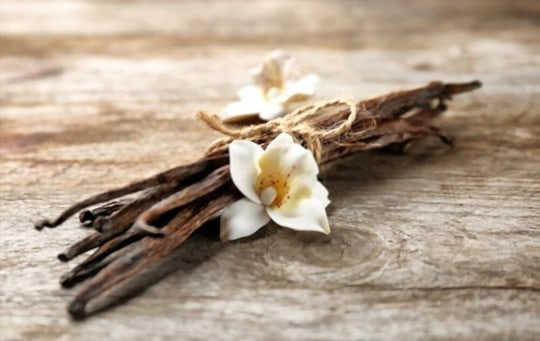
The 5 Best Substitutes for Vanilla Bean Paste
If you're looking for a vanilla bean paste substitute, these five ingredients can be used as a one-to-one replacement in most recipes - or consult eggs in meatballs substitutes guide for protein swaps that work similarly.
1 - Vanilla Extract

Vanilla extract is a clear, brown liquid from soaking vanilla beans in alcohol and water.
It is used to add flavor to desserts like ice cream, cakes, and cookies - and similar sweetening swaps appear in vanilla sugar substitutes for baking when granulated options are needed.
The extract is also used in savory dishes like sauces and marinades.
Vanilla extract is made by soaking vanilla beans in alcohol and water.
The beans are first scraped of their seeds, which are then soaked in the mixture for several weeks.
This process extracts the flavor from the beans, which are then concentrated and bottled.
The final product has a strong, sweet flavor with a slightly bitter edge.
Note that pure vanilla extract is made with only vanilla beans and alcohol and contains no artificial flavors or colors.
2 - Vanilla Beans
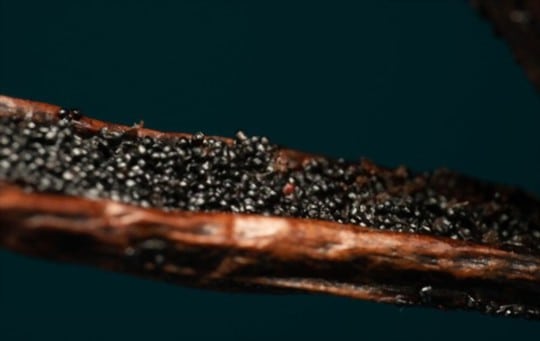
Vanilla beans are the fruit of a species of orchids, and they are widely used in the culinary arts to flavor everything from ice cream to baked goods.
The bean pods contain hundreds of tiny black seeds, which are surrounded by a sweet, fragrant pulp.
The pulp is responsible for most of the flavor, while the seeds provide a more complex floral aroma.
Vanilla beans can be used whole or scraped, and they should be added near the end of the cooking process to preserve their flavor - or consider vanilla extract substitutes for baking when bean pods aren't available.
In recent years, vanilla has become one of the most popular flavors in the world, and it is now cultivated in tropical regions all over the globe.
3 - Vanilla Powder

Vanilla powder is a flexible ingredient that can be used to improve the flavor and aroma of many different recipes.
Vanilla powder is a product made from grinding dried vanilla beans into a fine powder.
The powder can be used to flavor various food and drink recipes, as well as to provide a natural scent for cosmetics and other products.
The vanilla powder has a strong, sweet aroma and a rich, creamy flavor.
It is often used in baking recipes, such as cookies, cakes, and pudding - see vanilla extract in cookies alternatives for swaps tailored to cookie recipes.
It can also be added to savory dishes, such as roast chicken or beef stew.
4 - Vanilla Essence

Vanilla essence is a clear, brown liquid with a characteristic aroma and taste of vanilla.
It is an extract made from vanilla beans, which are the seedpods of the vanilla orchid.
The vanilla bean is native to Mexico and Central America but is now grown in many tropical regions worldwide.
The pods are harvested when they are unripe and green, then cured to develop their flavor.
Vanilla essence is used to flavor various foods and beverages, including ice cream, cake, and pudding.
It is also used in perfumes and aromatherapy.
Vanilla essence has a long shelf life and does not need to be refrigerated - for clarity on how that compares to powdered forms, see vanilla extract vs powder comparison.
5 - Imitation Vanilla Flavor
Imitation vanilla flavor is typically made from a combination of vanillin and other artificial flavorings.
Vanillin is the primary flavor compound found in natural vanilla beans, but it can also be derived from other sources, such as clove oil or rice bran.
While vanillin provides the characteristic aroma and flavor of vanilla, it does not have the same depth and complexity as real vanilla extract.
As a result, imitation vanilla flavors often taste slightly harsher and more one-dimensional than their natural counterpart.
However, they are significantly less expensive to produce, making them a popular choice for baking and other applications where cost is a major concern.
For spicy condiments and sauces, compare options in chili bean sauce substitutes rundown. For crisp, fresh textures, bean sprouts swap options lists practical alternatives.
Frequently Asked Questions
Vanilla Extract, Vanilla Beans, Vanilla Powder, Vanilla Essence, and Imitation Vanilla Flavor. Use it at a 1:1 ratio in any recipe that calls for Vanilla Bean Paste.
In most cases, yes. Try Vanilla Extract first since the flavor is closest.
Vanilla Beans handles heat and texture differently, so test in small batches.
It can, especially with ingredients that have distinct colors or pigments. The difference is usually minor in mixed dishes but may be more visible in lighter sauces or batters.
How do you adjust seasoning when using a substitute?
Taste as you go.
Substitutes can be saltier, milder, or sweeter than the original.
Add seasoning gradually and adjust at the end rather than matching the original recipe amounts exactly.