In the kitchen, vanilla rules. It's the crown jewel of baking and a must-have for those chocolate chip cookies we all pretend we won't eat by the dozen.
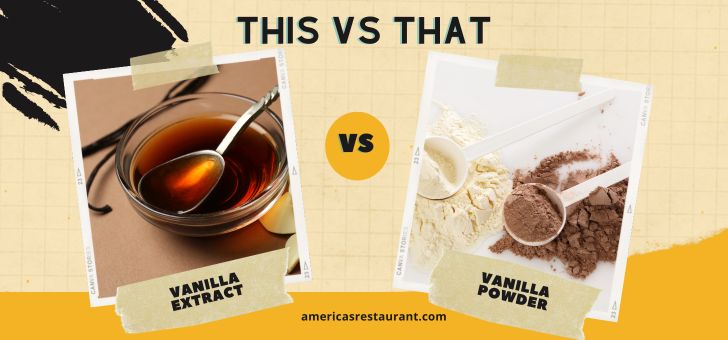
Now, we've got two contenders: vanilla extract and vanilla powder.
What's the difference, you ask? Well, we were just as curious.
We once tried to substitute one for the other in a late-night baking frenzy. Spoiler alert: our cupcakes tasted like vanilla-flavored sadness.
Learning the hard way so you don't have to.
Vanilla extract is liquid magic, steeped from vanilla beans and dunked in alcohol. Vanilla powder, on the other hand, is the bean itself dried and ground up into a fine, potent dust.
Each brings its own vibe to the party.
What is Vanilla Extract?
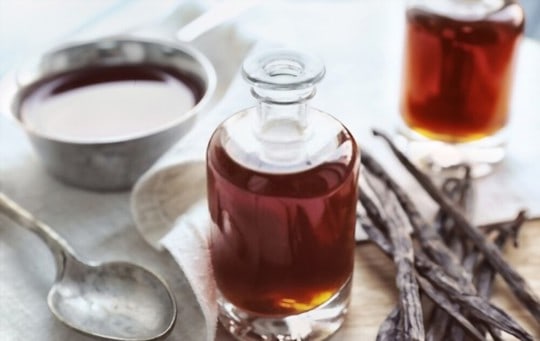
Vanilla extract is a liquid made from vanilla beans and alcohol.
It is a popular ingredient used in baking, cooking, and even cosmetics - see vanilla sugar substitute suggestions for baking.
The extraction process involves macerating vanilla beans in alcohol and allowing it to infuse for several months until the flavor is fully extracted.
The resulting liquid is then strained and bottled.
There are different types of vanilla extracts available, including pure, imitation, and blends.
Pure vanilla extract is made from real vanilla beans while imitation is made using artificial flavorings.
Blends contain both natural and artificial flavors.
What is Vanilla Powder?

Vanilla powder is a dry, fine-textured substance made from vanilla bean pods.
It is a more concentrated form of vanilla than vanilla extract and can deliver a more potent flavor in baked goods and desserts.
The process of making vanilla powder involves drying and pulverizing the whole beans into a fine powder without the use of alcohol or preservatives.
It is often used as a substitute for vanilla extract in recipes that need to remain alcohol-free or where liquid ingredients might compromise recipe consistency.
In essence, vanilla powder provides an excellent alternative to traditional liquid extracts, providing both convenience and flexibility while adding rich sweet flavor notes to any dish.
For recipes that call for vanilla paste, vanilla bean paste substitutes list suggests workable swaps that maintain flavor and texture.
Production and Ingredients Comparison

Vanilla extract and vanilla powder have distinct differences in production and ingredients, making them unique flavoring options.
Vanilla extract is created by soaking vanilla beans in alcohol and water, while vanilla powder is made by pulverizing dried vanilla beans into a fine powder.
Also, vanilla extract contains around 35% alcohol content, whereas vanilla powder has no alcohol.
Despite these differences, both options offer a distinct and delicious vanilla flavor to improve your cooking and baking recipes.
1 - Extraction Process
The extraction process of vanilla involves careful sourcing and curing of the beans.
These beans are then steeped in an alcohol and water solution, which extracts the flavor compounds over time.
The resulting vanilla extract is then filtered and bottled for use in baking and cooking.
This process is time-consuming but yields a potent and flexible ingredient.
Vanilla powder, on the other hand, is made by grinding whole vanilla beans into a fine powder.
This powder can be used as a substitute for extract in recipes that don't require liquid ingredients or as an additional flavoring in dishes where more depth is desired.
While it lacks the potency of extract, it delivers a richer flavor than imitation vanilla.
Not all vanilla extracts or powders are created equal - quality varies based on the sourcing and processing methods employed.
When choosing between the two, consider your recipe and desired flavor intensity to determine which will best suit your needs.
2 - Base Ingredients
The ingredients used in vanilla extract and vanilla powder play a significant role in distinguishing their taste, aroma and intensity.
While vanilla extract is made by soaking vanilla pods in alcohol and water, vanilla powder is made by crushing dried and ground vanilla beans.
The concentration of flavor compounds in both differs due to the differences in their base ingredients.
Vanilla extract is often used when liquid form is desired while vanilla powder offers a more concentrated flavor for baked goods where less moisture is preferred.
For savory applications that need a non-vanilla base, chicken base substitute ideas cover alternatives suitable for broths and sauces.
3 - Flavor Intensity and Aroma
The intensity of flavor and aroma in vanilla extract and vanilla powder differs greatly - see extract vs flavor comparison for clarity.
Vanilla extract, made by soaking dried vanilla pods in alcohol, has a potent flavor that is more concentrated than the powdery version.
On the other hand, vanilla powder is produced by drying ground vanilla beans and is milder in taste, though it still retains the sweet and fragrant aroma of natural vanilla.
The quantity of each ingredient used differs between these two forms, making their flavors vastly distinct from one another.
Vanilla extracts are more commonly used for baking because of its strong flavor.
It is best suited when boldness is required like cakes or cookies.
Powders offer a mellower take even though there may be variances in intensity depending on the amount used.
One can use them when the essence of vanilla needs to be present without overpowering the dish or beverage being prepared.
It's important to keep in mind that sometimes recipes request you to use only one form: extract or powder as they aren't interchangeable like how table salt can be swapped with sea salt.
Be wise while choosing which form to use specific to your recipe requirement and intensity preference.
Uses and Applications of Vanilla Extract and Vanilla Powder

Vanilla extract and vanilla powder have distinct uses and applications in cooking and baking.
Vanilla extract is commonly used as a flavoring agent for various desserts, including cakes, cookies, and ice cream.
On the other hand, vanilla powder offers an alternative to many recipes that require vanilla extract.
It can be sprinkled directly on top of baked goods, and its concentrated flavor makes it perfect for recipes where liquid ingredients such as extracts are not suitable.
Both products are versatile, but they differ in texture and convenience.
When adding vanilla extract to recipes, it is essential to measure the correct amount since too much or too little can impact the taste of the final dish.
Conversely, using vanilla powder ensures consistent flavor measurement without having to worry about over-pouring.
Vanilla powder is also more stable than vanilla extract since it does not evaporate or lose flavor over time like its liquid counterpart.
It's important to understand that while both products lend a distinct vanilla flavor to dishes, they cannot substitute each other one-to-one due to differences in formulation and concentration levels.
If using vanilla powder instead of extract or vice versa presents a challenge in specific dishes, use them according to their strengths as indicated in the recipe.
The choice between vanilla powder and vanilla extract depends on individual preferences and circumstances such as dietary restrictions or recipe requirements.
So before choosing which one to use ensure that you read through all instructions properly.
For different spice formats, anise seed vs anise extract comparison outlines which form suits specific recipes.
Storage and Shelf Life Differences
Vanilla extract and vanilla powder have different storage and shelf life requirements.
The former has a longer shelf life, as it's alcohol-based and can last for years if stored in an airtight container, away from heat and direct sunlight.
Meanwhile, vanilla powder is more sensitive to moisture, air and light exposure; that can affect its flavor potency.
Therefore, the best way to store vanilla powder is in a tightly sealed container in a cool, dark place like a pantry or cupboard.
Properly stored vanilla extract and powder retain their rich aroma for months to years.
After opening the bottle of vanilla extract or package of vanilla powder, its shelf life becomes relatively shorter compared to the unopened package.
In case of Vanilla Extract bottle it stays good for up to 6 months after being opened while Powder lasts about one month only once opened due to quick air exposure.
Overall, proper storage is essential when it comes to preserving the flavor of these two types of vanilla products.
Whether you choose vanilla extract or powder, make sure it's properly stored so you can enjoy incredibly flavorful baked goods every time.
For another pantry item with specific storage needs, how long a Himalayan salt block lasts discusses moisture and storage concerns that also apply to dry spices.
Substitution and Conversion Guidelines
Substituting between Vanilla Extract and Vanilla Powder can be tricky.
To convert one to the other, you need to follow specific guidelines.
For instance, one teaspoon of vanilla extract is equivalent to half a teaspoon of vanilla powder.
Similarly, if your recipe calls for a tablespoon of vanilla extract, use two tablespoons of vanilla powder instead.
It's important to keep in mind that Vanilla Extract is made by soaking vanilla beans in alcohol and water.
On the other hand, Vanilla Powder is made from dried and ground vanilla beans mixed with sugar or maltodextrin as a carrier agent.
These differences have an impact on the flavour intensity, so make sure to substitute accordingly.
Another essential factor to consider when substituting between the two is texture.
As Vanilla Powder has sugar or maltodextrin added, it will affect the texture and consistency of your recipe.
Substitute wisely based on your desired outcome.
Using Vanilla Extract vs Vanilla Powder
As we've seen, vanilla extract and vanilla powder have their own unique qualities.
While vanilla powder is a convenient way to add vanilla flavor without the added liquid of extract, it may not have the same depth of flavor.
On the other hand, vanilla extract can be more versatile in baking and cooking due to its liquid form, but may be too potent for certain recipes.
Ultimately, whether you choose to use vanilla extract or powder comes down to personal preference and the specific needs of your recipe.
Amaretto vs Almond Extract: comparison of flavors looks at how nutty extracts differ. Achiote Paste vs Powder: paste or powder comparison explains texture and usage differences for recipes that rely on color and spice.
Frequently Asked Questions
What's the difference, you ask? They share some similarities but each has qualities that make it better suited for certain recipes.
It depends on the dish. Vanilla Extract and Vanilla Powder share some overlap, but each shines in different preparations.
Swapping works best in forgiving recipes like soups or stews.
Pricing varies by brand and region, but one is typically more accessible at everyday price points. The other may cost more due to specialization or limited supply.
Is there a best time to use each one?
One shines in applications requiring subtlety and background support.
The other is better when it is meant to be a center.
Matching the right one to its role makes a noticeable difference.