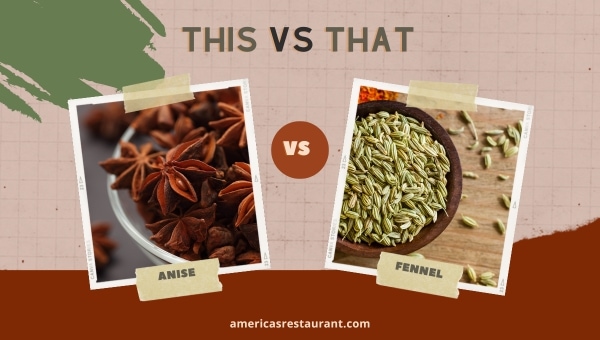
Ouzo and Raki--two spirits that often leave us scratching our heads. What makes them different?
We've been there too. Sipping on these anise-flavored spirits under the Mediterranean sun, we asked ourselves the same question.
Ouzo hails from Greece, a country known for its rich history and azure seas. Raki, on the other hand, calls Turkey its home, where continents collide.
Both boast a unique taste that transports you straight to their origins with just one sip. Yet, they're not twins.
Our journey to understand their nuances wasn't just about the sips; it involved a lot of laughs, a few wrong turns, and yes, the occasional hangover.
Stay with us as we break down their mysteries.
What is Ouzo?
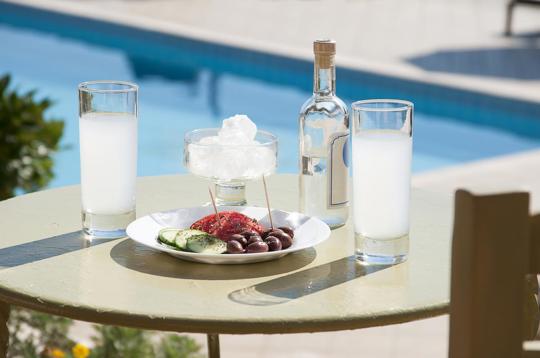
Ouzo is a traditional Greek alcoholic drink.
It's well-known for its distinct flavor and cultural importance.
Made from a mix of distilled spirits, aniseed, and other herbs, it's famous for its fragrant aroma and strong licorice taste.
Ouzo has deep roots in Greek history and remains a beloved symbol.
It's typically served with meze - a bunch of small dishes.
You can have it straight or diluted with water.
This will turn the clear liquid to opaque white - known as the "ouzo effect".
What makes Ouzo special is its production process.
It's the distillation of grape marc mixed with aniseed that gives it its character.
True Ouzo can only be produced in certain parts of Greece.
Ouzo has gained worldwide recognition for its quality and taste.
People in many countries love it.
Lemon-based desserts can pair nicely with anise-forward spirits; lemon dessert pairing ideas lists nine complementary options.
What is Raki?
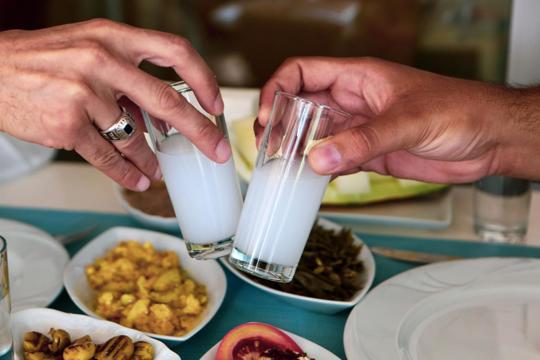
Raki, the "Lion's Milk" of Turkey, is a special anise-based alcoholic drink.
It has a clear appearance.
People enjoy it as apéritif and as a digestive after meals.
It is made from distilling fermented grapes or raisins plus aniseed.
The mix of flavors makes it unlike any other spirit.
People have been enjoying it for centuries in social gatherings and celebrations.
Raki can be good for your health too.
It is said to help digestion after heavy meals.
Also, some research suggests that drinking it in moderation may help the heart.
In Turkey, there is a ritual for drinking raki.
Pour it into a tall glass, then add water slowly.
As the water goes in, the raki turns white - like a lion's milk.
Raki has a strong yet smooth flavor.
Whether in a lively tavern or sipping slowly at home, it promises an unforgettable taste experience.
Cheers to the rich heritage of raki.
Raki often appears at shared tables with savory bites; guacamole pairing suggestions and combos suggests unexpected snack matches.
Differences Between Ouzo and Raki

Ouzo and Raki, two spirits from Greece and Turkey, look similar - consider the best Ouzo substitutes list when Ouzo is unavailable.
Yet, they have distinct features.
Origin and Cultural Significance
Ouzo and Raki are unique yet intertwined drinks with a rich heritage.
Ouzo is the national drink of Greece and has been made since the 19th century with grapes, raisins, or figs.
Raki is a traditional spirit from the Ottoman Empire, made from fermenting fruit pomace or distilled fruits, and flavored with aniseed.
Ouzo and Raki both involve alcohol infused with aniseed, but have different ingredients.
Ouzo is usually made with grapes while Raki can have various fruits.
In Greece, Ouzo is part of social customs and rituals, enjoyed with meze dishes.
It's also part of 'rendezvous', where people gather at tavernas and share conversations and laughs.
Raki is part of Turkish hospitality, often offered as a gesture of friendship.
It's diluted with water before drinking slowly during 'sohbet' conversations.
Ouzo and Raki go beyond being drinks; they encapsulate the essence of Greek and Turkish cultures.
Enjoying either of them involves savoring the taste and experiencing the spirit of generations.
Ingredients and Production Process
Ouzo and Raki are traditional alcoholic drinks with distinct differences.
Ouzo is Greek and made from alcohol, water and various herbs like anise, fennel and coriander.
This mix gives Ouzo its unique flavor.
Distillation happens multiple times to get the best flavor.
Raki is popular in Turkey and other Mediterranean countries.
It's made by twice-distilling grape pomace or fermented fruits.
It's then flavored with anise and has a high alcohol content.
Ouzo is diluted with water after distillation to get its special cloudy look.
Raki can be had neat or with water depending on preference.
These drinks are important to their regions.
They are often served with meals or at social gatherings.
Knowing the differences between Ouzo and Raki lets you appreciate the flavors and culture of each drink.
flavor and Aromatics
Flavor plays a big part in separating Ouzo and Raki - compare extract vs flavor comparison to see how subtle taste terms differ.
Ouzo has a prominent licorice taste and an intense herbal aroma.
Raki has a milder and sweeter flavor.
Both drinks have unique aromas from the botanicals used in them.
The aromas make tasting Ouzo or Raki a great experience.
Ouzo's main note is anise.
The licorice taste is strong but not too much.
It has flavors of fennel, coriander, and cloves.
This mix makes a smooth balance of flavors that tastes good.
Raki's flavor is more complex.
It is made with fermented grapes or other fruits like plums, cherries, or figs.
It also has angelica root or orange peel.
This combination gives Raki a special complexity.
Ouzo and Raki use various botanicals.
Some variations of Ouzo have spices like cinnamon or nutmeg.
This makes the aroma even more diverse.
Exploring the flavors and aromas of Ouzo and Raki is an adventure.
Ouzo has bold licorice and herbs.
Raki has sweet fruit and delicate botanicals.
These two spirits have something special for every taste.
Alcohol Content and Serving Rituals
Ouzo and Raki are distinct drinks - read a grain alcohol vs vodka comparison for context on how high-proof spirits compare.
Ouzo has a higher alcohol content ranging from 37.
It is often served diluted with water and ice cubes, turning cloudy due to the oil of anise.
Raki, a Turkish brandy, has a lower alcohol content of 35-45%.
It is usually consumed as a shot and enjoyed with meze, a selection of small dishes.
Both drinks have cultural importance in their countries.
They are loved for their special flavors and traditions.
Similarities Between Ouzo and Raki
Ouzo and Raki, two Mediterranean favorites, have a lot in common.
Both are well-known for their aniseed flavor.
This licorice taste comes from the same key ingredient.
Plus, they are usually sipped as aperitifs.
They both hold cultural importance in their regions - Ouzo in Greece, Raki in Turkey.
People usually drink them before meals to stimulate their appetite.
The production process is similar too.
Distillation helps create the desired potency and flavor.
Ingredients like grapes or grains are fermented, then distilled until clear and pure.
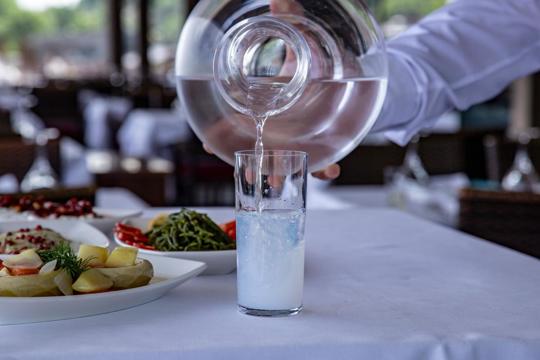
When mixed with water or ice, both Ouzo and Raki turn milky-white.
This is called louching or opalescence.
The essential oils in the liquor become insoluble when diluted, creating a cloudy look.
These spirits go well with mezze-style dishes - small plates of Mediterranean cuisine.
Together, they create a nice symphony on your palate.
Ouzo and Raki share many similarities.
From their anise flavor, to their cultural importance, and even their transformation when mixed with water.
So wherever you are in the Mediterranean, make sure to try them both and experience their shared heritage.
Popular Brands and Varieties
When talking about Ouzo and Raki, there are a few top brands.
Greece's national drink, Ouzo, includes Barbayanni, Plomari, and Varvayianni - each of which offer their own flavor and alcohol content.
Turkish Raki is famed for its unique aniseed flavor and smooth texture.
Popular brands here include Yeni Raki, Tekirdag Raki, and Efe Raki.
These have earned a great reputation due to their quality and craftsmanship.
Plus, regional variations of both Ouzo and Raki exist.
Lesvos Gazeuses is a type of Ouzo from Lesvos with an effervescent, bright flavor.
Akyıldız is a type of Raki from Turkey's east with a strong aniseed taste.
These popular brands and regional variations have shaped the cultural importance of both Ouzo and Raki.
They're often enjoyed at social events or meals.
No matter if you like Ouzo's boldness or Raki's subtlety, both offer a fantastic experience that reflects Greek and Turkish culture.
By trying different brands and varieties of Ouzo and Raki, one can really appreciate the flavors.
So, whether you're drinking Plomari Ouzo or sharing Yeni Raki with friends, don't forget to appreciate the history and tradition that come with it.
Here's to the amazing world of Ouzo and Raki.
How to Enjoy Ouzo and Raki?
Ouzo and Raki are two traditional Mediterranean alcoholic drinks with different tastes and origins.
If you're wondering how to best enjoy them, here's your guide.
- Select the right glassware: Ouzo should be served in a tall, slender glass to let out its aromas slowly. Raki, on the other hand, is best enjoyed in a small tulip-shaped glass.
- Add ice: Both drinks are best over ice. This not only chills them, but also mellows their flavors for a smoother sip.
- Pour it slowly: When pouring, do it gently so the liquid can mix with the water bit by bit. This makes the flavor more complex and less intense.
- Notice the louche effect: When Ouzo is poured, an opalescent cloudiness appears. This is called the louche effect, and it makes Ouzo even more enjoyable.
- Sip and savor: Enjoy these drinks slowly, so you can appreciate their unique aromas and aniseed or herb notes.
- Pair with local food: Try pairing Ouzo or Raki with Mediterranean dishes like grilled seafood or meze platters. This will bring out the flavors of both drink and food.
Plus, Ouzo and Raki have various production methods and regional variations.
Ouzo is made from grapes or grain alcohol with aniseed and botanicals, while Raki is distilled from grape pomace.
So, wherever you are - Greek islands or Turkish tavernas - following these steps will help you fully appreciate Ouzo and Raki.
Selecting Between Ouzo and Raki
Upon analyzing these two drinks, the distinct differences in flavor and preparation become evident.
Both Ouzo and Raki can be appreciated for their unique flavors, characteristics, and individual production processes.
While each of them appeals to different tastes, they also represent their respective countries just as uniquely: Greece for Ouzo and Turkey for Raki.
In this way, they still manage to remain firmly connected even though the geographical distance between them may suggest otherwise.
This post has hopefully helped readers understand Ouzo vs Raki better so that when choosing between the two drinks on a night out or wanting to impress their friends by comparing these fascinating degrees of alcohol all over the world, they can come prepared.
It's time to grab a glass and try some now.
Frequently Asked Questions
It's well-known for its distinct flavor and cultural importance. They share some similarities but each has qualities that make it better suited for certain recipes.
Sometimes. Ouzo works where Raki is called for in certain dishes, but not all.
Check whether the recipe relies on a specific quality before substituting.
Cold preparations like salads and dressings often favor the option with a sharper, more defined flavor. Heat can mellow both, so the distinction matters more in uncooked dishes.
Do professional cooks prefer one over the other?
Professional preference depends heavily on the dish and cuisine style.
Each has its context where it outperforms the other, so most experienced cooks keep both on hand.
Ouzo and Raki pair with a range of dishes. extract vs flavor comparison and grain alcohol vs vodka comparison offer related insights.