
Truffles are the rock stars of the food world. Big flavor. Big price tag.
Ever wonder why one bottle of truffle oil is white and the other black? We did.
And it turns out, the difference is more than just the color.
White truffle oil comes with a garlicky, earthy aroma. It's like the summer hit song of food
. A splash can turn a simple dish into a crowd-pleaser.
On the other hand, black truffle oil brings a deeper, musky vibe. Think of it as the bassline that gives depth to your meals.
I remember my first truffle oil experience. It was like stumbling upon a secret ingredient that chefs whisper about.
It transformed my pasta from zero to hero. And now, we're here to share all that juicy info with you.
What is Truffle Oil?
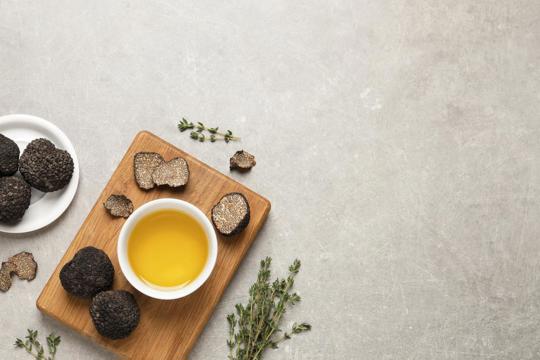
Pleasant and aromatic, truffle oil is a luxurious condiment that adds an excellent touch to many dishes - like truffle fries vs regular fries comparison.
Infused with the essence of truffles, this unique ingredient gives food a rich and distinctive flavor.
Rare fungi found underground are the source of truffle oil, which is highly sought after by food lovers worldwide.
Truffle oil has an intense, earthy aroma that improves the taste of any dish it graces.
Black truffle oil (Tuber melanosporum) has a strong flavor with deep, musky undertones.
It goes great in sauces, pasta dishes, and risottos.
White truffle oil (Tuber magnatum pico) has a more delicate taste with subtle hints of garlic and mushroom.
It's perfect for salads, roasted vegetables, and creamy soups.
Truffle oil types are made differently.
Black truffle oil is typically infused with pieces or extracts of black truffles and has a darker hue.
White truffle oil is made using olive or grapeseed oil infused with white truffles for a lighter color profile.
These production methods create the different flavors experienced when using each type of truffle oil.
What is White Truffle Oil?
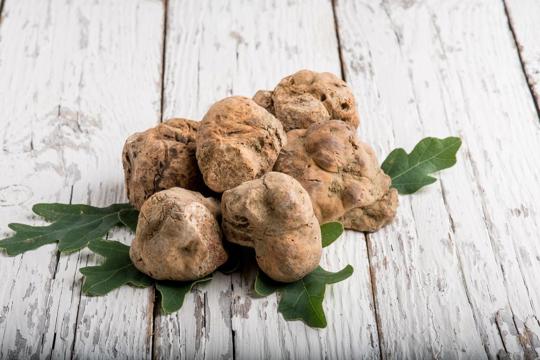
White truffle oil is a luxurious ingredient made by infusing olive oil with the essence of white truffles.
These rare fungi have an intense aroma and unique flavor.
The oil captures the truffles' essence, resulting in a rich and pungent flavor.
Its delicate taste is often described as earthy, garlicky, and sweet.
Unlike black truffle oil, white truffle oil is milder.
It adds a luxurious touch to dishes without overpowering them.
Chefs and foodies use it to enhance pasta, risotto, eggs, salads, and even popcorn.
White truffles are rare and costly compared to black truffles.
They have a unique aroma and flavor that make them highly sought-after.
As a result, white truffle oil is pricier than black truffle oil.
When buying white truffle oil, select a high-quality brand that uses real white truffles.
Some cheaper versions may contain artificial flavorings or synthetic compounds instead of genuine truffles.
For a very different indulgence, see White Russian vs Mudslide cocktail comparison to compare two creamy dessert drinks.
What is Black Truffle Oil?
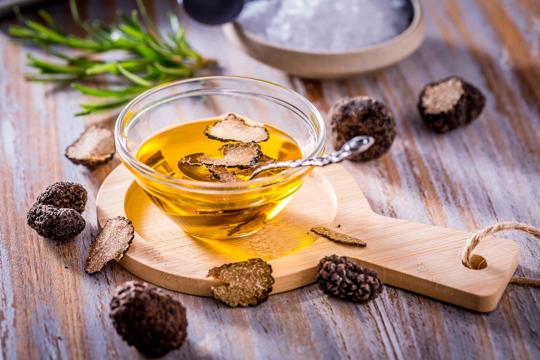
Black truffle oil is a luxurious and aromatic oil.
It's made from precious black truffles that grow underground.
Unlike white truffle oil, black truffle oil is made from black truffles found in France.
It's made by infusing high-quality olive or grapeseed oil with small pieces of black truffle.
This captures the truffle's unique flavors and aromas, creating an intense taste.
The flavor of black truffle oil can be described as earthy, nutty, and slightly garlic-like.
It's usually used as a finishing touch for dishes, adding depth and complexity.
It pairs well with ingredients like pasta, risotto, eggs, cheese, and even chocolate.
Just a few drops can make a dish extraordinary.
Black truffle oil doesn't have the same intensity as fresh black truffles.
So, it can't replace freshly shaved or grated black truffles.
Black truffle oil is divine.
It brings sophistication and elegance to any dish.
Its flavor sets it apart from other oils.
It's a prized addition to gourmet kitchens worldwide.
Drizzled over pasta or used as a finishing touch for desserts, this luxurious liquid gold adds an unparalleled depth of flavor.
For a pantry pairing perspective, read black olives vs green olives comparison guide to see how different olives complement savory oils.
Differences Between White Truffle Oil and Black Truffle Oil
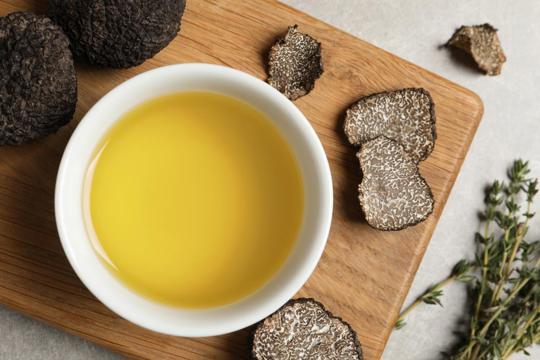
Truffle oil is a popular ingredient, but there are different types.
White truffle oil and black truffle oil may sound similar, but they have distinct differences.
For another look at subtle color-and-flavor contrasts, consult yellow peach vs white peach comparison guide.
Truffle Varieties
Truffles are a rare underground fungus, and come in various types - not to be confused with confections like truffle vs chocolate truffle comparison.
They are valued for their special flavours and aromas, so they are sought-after in gourmet cuisine.
White and black truffle oils are popular options for adding truffle essence to dishes.
White truffles, or Tuber magnatum pico, are from Italy's Piedmont region.
They have a strong fragrance of garlic, earthiness and muskiness.
White truffle oil captures this by infusing olive oil with real white truffles.
Its flavour is strong yet delicate, perfect for pasta dishes or as a finishing touch for risottos.
Black truffles, or Tuber melanosporum or Perigord truffles, come from France.
They have a rich and complex flavour, with notes of chocolate and tobacco.
Black truffle oil is made by infusing olive oil or other neutral oils with black winter truffle shavings.
This improves meat-based dishes.
White truffle oil has a stronger aroma than black truffle oil.
However, black truffle oil has a more subtle flavour profile, and a texture that works with many dishes.
White truffle oil must be used sparingly due to its strong scent.
Black truffle oil can be used generously as it is milder, and can be used during cooking or as a finishing touch.
Aroma and flavors
White truffle oil and black truffle oil have distinct aroma and flavors.
White truffle oil is usually described as earthy, musky, and garlicky.
Its flavor is delicate yet intense.
Black truffle oil offers a more strong and pronounced aroma with hints of mushrooms, garlic, and chocolate.
Its flavor is bolder and more complex.
White truffle oil is made by infusing olive oil with white truffles, mainly from Italy.
Whereas, black truffle oil is a blend of ingredients or synthetic compounds to recreate the flavor of black truffles.
White truffle oil is best used on finished dishes like pasta, risotto, or mashed potatoes.
It won't overpower the flavors.
Black truffle oil can withstand higher temperatures and is used for cooking.
It improves sauces, meats, and pizza.
Both white and black truffle oil have different aromas and flavors.
Which one you choose is up to your personal taste.
Extraction Methods
Truffle oil, either white or black, is a nice and tasty extra to any meal.
How it's extracted is key in creating these oils.
This process involves blending neutral oil with the scent and taste of truffles, creating a scrumptious culinary component.
For white truffle oil, the extraction method starts with seeking out the rare and valuable tuber magnatum pico truffle.
Found mainly in Italy's Piedmont area, these truffles can be hard to find due to their underground growth.
Once found, they are picked carefully using special tools to keep their delicate structure intact.
After harvesting, the next step is cleaning the truffles with great care.
This is to make sure no dirt or impurities influence the extraction process.
The cleaned truffles are then cut into thin pieces or grated to increase their surface area for maximum flavor extraction.
The extraction itself is done by putting the truffle slices or gratings into a container filled with neutral oil.
This oil is used to capture the fragrant compounds released by the truffles.
Over time, these compounds mix into the oil, making a nice combination of flavors.
Black truffle oil follows a similar extraction procedure; however, it uses a different type of truffle known as Tuber melanosporum.
These truffles have a unique black cover and mainly grow in France and Spain.
The extraction technique is still the same as that of white truffle oil.
Note that some producers may use synthetic ingredients or artificial flavorings to imitate the taste of real truffles when producing these oils on a large scale.
However, authentic high-quality truffle oils are made only from real truffles using traditional extraction methods.
Culinary Uses
Truffle oil - white or black - is a popular ingredient.
It adds some luxury to dishes.
Chefs and home cooks use it in a variety of ways.
It's a great finishing drizzle.
A little truffle oil can improve the taste of pasta, risotto, or mashed potatoes.
Its earthy aroma and umami taste make these dishes special.
Truffle oil works well in dressings and vinaigrettes too.
A few drops create an aromatic dressing for salads.
The mix of crisp greens and truffle oil is very tasty.
Eggs are perfect with truffle oil.
Drizzle it over scrambled eggs or use it in an omelet filling.
It makes a luxurious breakfast or brunch.
Truffle oil also makes a great marinade for steak or chicken.
Rub it on before grilling or roasting to add complexity to the flavor.
White and black truffle oils offer similar possibilities.
They're prized ingredients for creating unique recipes.
Experimenting with truffle oil is sure to bring food delight.
Similarities Between White Truffle Oil and Black Truffle Oil
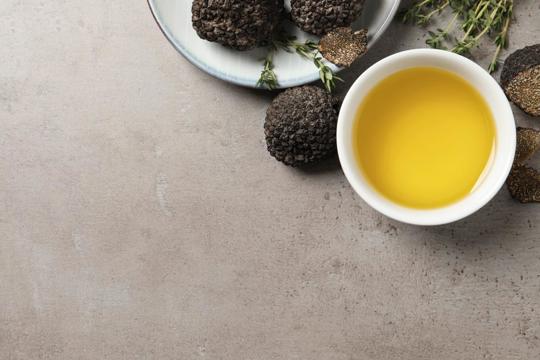
White and black truffle oil both have appealing traits that make them a hit with cooks.
Both boast the excellent and sought-after flavor of truffles, a rare and luxurious ingredient.
They can be added to pasta dishes, risottos, and salads as a final touch, giving off a deep, earthy aroma.
One common trait between white and black truffle oil is their usefulness in cooking.
Both can be used in many recipes to boost the taste.
From sprinkling some oil on a pizza to tossing it with roasted veggies, it adds a unique flavor that's hard to match.
Also, they offer an affordable substitute to fresh truffles.
These cost a lot due to their scarcity and how tricky they are to cultivate.
But truffle oil lets one have the truffle taste without having to spend much.
There are differences between white and black truffle oil.
White truffle oil usually has a milder flavor, with faint garlicky hints.
Black truffle oil, on the other hand, has a stronger earthy flavor that's great for hearty dishes.
Plus, white truffle oil usually has a lighter color than black truffle oil.
This is due to white truffles' pale exterior.
Still, the color of the oil doesn't necessarily mean its quality or flavor intensity.
For another useful pantry comparison, look at white cooking wine vs white wine vinegar comparison to understand different finishing liquids.
How to Choose Between White Truffle Oil and Black Truffle Oil?
Choosing between white truffle and black truffle oils can be enjoyable, yet tricky.
Both have distinct flavors and aromas that can boost your dishes.
So, how to decide?
You must understand the critical differences between white and black truffle oils.
White truffle oil is made from the highly sought-after white truffles.
Black truffle oil is extracted from the more common black truffles.
White truffles have a gentle flavor with a hint of garlic.
Black truffles have a more powerful, earthy flavor.
When selecting between white and black truffle oils, think about the dish you want to use it in.
White truffle oil is great for light dishes, like pasta, risotto, or scrambled eggs.
Its delicate flavor brings out the natural taste of the ingredients without overpowering them.
On the other hand, black truffle oil has a stronger, richer flavor.
It's perfect for hearty dishes, such as roasted meats, soups, or mashed potatoes.
Its earthy aroma adds more depth and richness.
You also need to consider your personal preference.
Some people may prefer the intense aroma of black truffles, while others might like the subtlety of white truffles.
To make an informed decision, try small samples of each before deciding.
It's also worth noting that white and black truffle oils can vary in quality, depending on the production process.
Look for oils made with real pieces of truffles, not just artificial flavorings.
This guarantees an original and superior taste.
For a comparison of two similar-looking produce options, see white carrot vs parsnip comparison to learn how subtle differences affect cooking choices.
Where to Buy White Truffle Oil and Black Truffle Oil?
Options for buying white and black truffle oils abound.
Gourmet food stores, online retailers, well-stocked supermarkets, and local farmers markets are all great places to look.
Read reviews to ensure quality when shopping.
Plus, websites such as Amazon or specialty food sites provide convenience and a wide selection.
Gourmet food events and festivals can also be an excellent place to sample and purchase truffle oils.
It's key to do research before buying, as lower-quality versions may contain artificial flavorings or additives.
Look for natural ingredients and extraction methods on labels.
Take your time to explore the options and find a trusted source for an indulgent experience.
If sweet gift options are part of shopping, compare white chocolate vs milk chocolate comparison to choose a complementary treat.
Choosing Between White and Black Truffle Oil
White truffle oil has a delicate flavor, while black truffle oil has a stronger, earthy taste.
White truffle oil is often used to bring out the flavor of mild dishes, such as pasta, risotto, and seafood.
It adds a hint of luxury without overpowering.
Black truffle oil, however, is bolder and can stand up to stronger ingredients, like red meat and hearty veggies.
It improves dishes like roasted potatoes or grilled mushrooms.
White truffle oil is pricey due to the rarity and higher demand for white truffles.
Black truffles are easier to find, so black truffle oil is more affordable.
Both oils are made with either white or black truffle essence and infused in olive oil to give a unique aroma and taste without high prices.
White bass and striped bass share habitats and culinary uses. white bass vs striped bass comparison explains those differences. white rice vs wild rice comparison breaks down texture and cooking contrasts.
Frequently Asked Questions
And it turns out, the difference is more than just the color. They share some similarities but each has qualities that make it better suited for certain recipes.
In many recipes, yes. White Truffle Oil and Black Truffle Oil fill similar roles, though each brings its own character.
Try a small test batch before committing to a full swap.
Availability varies by region. One is usually a standard grocery store item while the other may require a specialty or international market depending on where you live.
Can a beginner tell the difference by taste?
In a side-by-side tasting, yes.
The difference becomes less obvious when mixed into a recipe with other ingredients.
Most people notice the distinction more clearly on its own.