
In the grand scheme of dinner debates, white rice vs. wild rice takes the cake. Now, we're not talking about some mild mannered choice like choosing socks.
No, sir. This is the heavyweight championship of side dishes.
First off, white rice. It's the classic, the reliable friend that never lets us down.
Think of it as that buddy who's up for anything, anytime. Easy to cook, easier to eat.
Then, there's wild rice. The mysterious cousin.
It's not even technically rice! Plot twist, right?
It's a grass. A delicious, nutty-flavored grass that makes us feel just a tad more sophisticated.
Our family dinners have been battlegrounds for this debate. Mom's a white rice fanatic; Dad claims wild rice is the holy grain.
What side are you on?
What is White Rice?

White rice is a staple food in many cuisines.
It is the most commonly consumed type of rice.
It is milled to give it a polished look and longer shelf life.
Taste and texture-wise, it has a mild flavor and soft, fluffy texture after cooking.
It is versatile and pairs well with different ingredients - White Russian vs Mudslide comparison.
It also comes in different types like long-grain, medium-grain, and short-grain varieties.
White rice is unique as it absorbs flavors from accompanying ingredients.
Its neutral taste makes it perfect for dishes like stir-fries and curries.
Nutritionally, white rice loses some nutrients while processing.
But it is still a great source of carbohydrates.
It gives energy and is low in fat, cholesterol-free.
Plus, it has essential minerals like iron and magnesium.
White rice is widely consumed and has a polished look.
It has a mild taste and is versatile.
It may lack some nutrients, it is still a good source of carbs and minerals.
What is Wild Rice?

Wild rice, also known as Zizania, is a unique, aquatic plant that grows in shallow freshwater regions of North America.
Despite its name, wild rice is not a member of the rice family, but rather a distant relative of grasses.
This distinctive grain has a nutty taste and a chewy texture that sets it apart from other rice varieties.
Due to its high nutritional value, it has become a staple food for many native American tribes for centuries.
Wild rice contains higher amounts of protein, fiber, and minerals compared to other grains, making it an excellent choice for vegan and vegetarian diets - Wild Turkey vs Jack Daniel's comparison for spirit choices.
Its complex flavor makes it suitable for various culinary dishes, including soups, salads, and casseroles.
If you're looking to expand your palate or add a nutritional punch to your meals, wild rice is an excellent choice.
Differences Between White Rice and Wild Rice
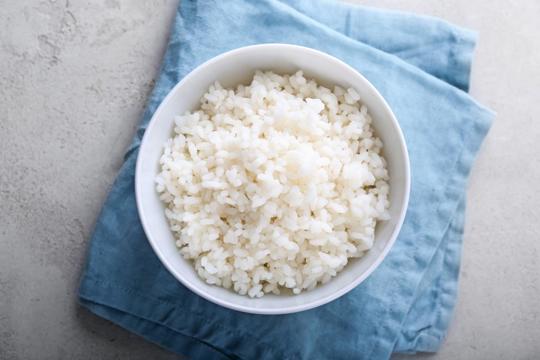
White rice and wild rice may look similar, yet they possess distinct qualities.
Though similar at a glance, grain varieties can differ subtly - Yellow Peach vs White Peach comparison for picking fruit illustrates how small differences matter.
Grain Appearance and Texture
Grains of rice come in many shapes and textures.
Each type gives a unique cooking experience.
The look and texture of the grains can change how enjoyable a dish is - Grain Alcohol vs Vodka comparison for understanding differences.
White rice and wild rice are very different.
White rice is often seen in Asian cuisine.
It has a smooth, shiny grain.
When cooked, it's soft and tender.
Separately, each grain is fluffy.
So, it's used in fried rice and pilaf.
Wild rice has a different look and texture.
The grains are long and slender.
They're dark brown or black.
Even after cooking, the outside layer keeps its nutty flavor.
This gives a crunch to salads and casseroles.
The texture of wild rice is chewy.
Harvesting wild rice is different from white rice.
It's hand-picked from lakes and rivers.
It's not mass-produced or processed.
That's why it has wholesome qualities.
It's up to you which you prefer.
White rice is delicate and fluffy.
Wild rice has a strong bite.
Both can make your cooking delicious.
Next time you're in the kitchen, try some different grains.
Nutritional Composition
White rice and wild rice differ greatly in their nutritional composition.
White rice has had its bran and germ removed, which reduces fiber content.
Wild rice, however, is a whole grain that contains more fiber, protein, and nutrients.
It also has a lower glycemic index than white rice, making it a better option for those tracking their blood sugar levels.
When selecting between these two rice types, it is important to think about these differences for a healthier diet.
Cultivation and Origin
Rice, a staple food in many places, comes in different forms.
White rice and wild rice are two popular types.
Each has its own origin and cultivation.
Understanding the differences between these two kinds of rice can help us experience and learn about different cultures and cuisines.
White rice is often related to Asian cuisine.
It is grown on large-scale farms with advanced agriculture.
It is processed to remove the hull, bran and germ, giving it a milder taste and fluffy texture.
It is widely available and can be bought around the world.
Wild rice has a special meaning in Native American culture and diet.
It grows in freshwater lakes, rivers and marshes of North America.
Gathering the ripe seed heads is done by hand or with specific tools designed for traditional harvesting.
Its flavor has nutty undertones and a chewy texture, making it a good addition to meals.
White rice is more common and easier to cultivate, while wild rice has cultural significance as an indigenous crop.
White rice is used for everyday meals and wild rice is used for special occasions and in specialty dishes.
Both contribute to the diverse food scene around the globe.
Cooking Methods and Time
White rice and wild rice have different textures and moisture content, so their cooking methods and time vary.
White rice is usually boiled in water or made in a rice cooker - White Cooking Wine vs White Wine Vinegar comparison for cooking swaps.
The ratio of water to rice is 2:1, and it takes around 15-20 minutes for all the liquid to be absorbed.
Wild rice is usually parboiled before cooking.
Parboil by boiling the rice in water for several minutes to soften the outer layer.
Then, further cook by boiling or simmering for 45-60 minutes until tender.
The cooking time for wild rice may depend on the type or brand.
Variations in moisture content or processing techniques could make some varieties cook more quickly.
Remember, when cooking white rice or wild rice, consider their individual cooking needs.
Then you'll have perfectly cooked grains that add delicious flavor to your dishes.
flavors of White Rice and Wild Rice
White rice has a subtle flavor, making it great for pairing with bold sauces or curries - White Carrot vs Parsnip comparison for flavor swaps.
Meanwhile, wild rice offers a nutty and earthy flavor with hints of sweetness.
White rice absorbs flavors of ingredients it is cooked with - improving the dish.
Wild rice, however, has a unique and distinctive flavor that stands out.
Plus, wild rice has a chewy texture and higher levels of fiber, protein, and nutrients.
Which one you choose depends on your preference and the desired outcome of your dish.
Both offer unique qualities, letting you experiment with flavors and textures.
Similarities Between White Rice and Wild Rice
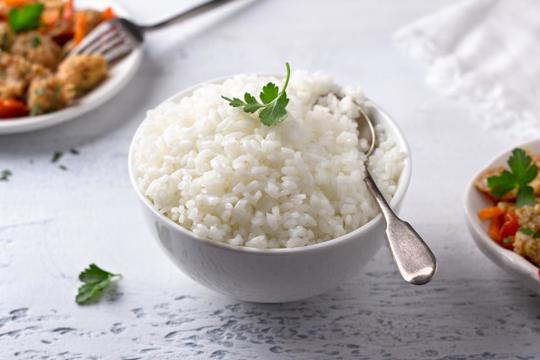
White rice and wild rice may seem similar, but they differ.
Yet, they also share some characteristics worth noting.
Both are grains that can be cooked and eaten - White Chocolate vs Milk Chocolate comparison for tasting differences.
They both provide a good source of carbohydrates, making them staples in diets.
Also, they can both be the base for different dishes - and can be spiced or flavored to different preferences.
Despite their differences, it is their similarities that show how tasty and adaptable rice can be.
Their versatility when it comes to cooking is one similarity.
Both types of rice can be boiled or steamed, meaning they can be part of a range of cuisines and dishes.
As a side dish, or the main ingredient of a meal, they offer flexibility in the kitchen.
Another similarity is their role as a carbohydrate source.
Carbohydrates are essential in a balanced diet, giving energy to the body.
White and wild rice are both known for their high carbohydrate content - making them an ideal choice to power you through the day.
Plus, both types of rice can take on flavors and seasonings.
Whether salt and pepper or more complex spices such as curry or saffron, white and wild rice can absorb these flavors nicely.
This means you can customize the taste of your dish, while also enjoying the texture and nuttiness of each type of rice.
Although there are distinctions between white rice and wild rice - e.
Appearance, taste, and nutrition - it is important to note the similarities they have.
From their adaptability in cooking to acting as a carbohydrate source and absorbing flavors - white and wild rice are valuable ingredients in many cuisines.
So, when choosing what type of rice, think of both the differences and similarities it brings.
Uses and Culinary Applications
White rice and wild rice have different purposes and are used in diverse culinary dishes.
White rice is perfect for stir-fries, sushi, and pilafs.
Its mild flavor and fluffy texture go well with many flavors.
Wild rice, meanwhile, is great for soups, salads, and stuffing.
Its nutty taste and chewy texture provide a nice contrast.
Both types of rice bring something special to the table.
Texture and Flavor: White Rice vs Wild Rice
White rice and wild rice have some differences.
Nutritional value, taste, and cooking time vary.
Let's look at some interesting details.
White rice is refined, losing its bran and germ layers.
This removes essential nutrients like fiber, vitamins, and minerals.
Wild rice, however, keeps its outer layers, making it more nutritious.
White rice has a mild flavor that blends with different cuisines.
Wild rice has a nutty taste with an earthy undertone.
Cooking time also differs.
White rice cooks fast, usually within 15-20 minutes.
Wild rice needs more time, around 40-50 minutes, for it to be tender.
White Truffle Oil vs Black Truffle Oil comparison for flavor impact complements many rice dishes. Spiced Rum vs White Rum comparison for cocktail pairing offers drink pairing ideas if the meal includes cocktails.
Frequently Asked Questions
It is versatile and pairs well with different ingredients. They share some similarities but each has qualities that make it better suited for certain recipes.
In many recipes, yes. White Rice and Wild Rice fill similar roles, though each brings its own character.
Try a small test batch before committing to a full swap.
Availability varies by region. One is usually a standard grocery store item while the other may require a specialty or international market depending on where you live.
Can a beginner tell the difference by taste?
In a side-by-side tasting, yes.
The difference becomes less obvious when mixed into a recipe with other ingredients.
Most people notice the distinction more clearly on its own.