
Summary of key points
The distinction between anise and fennel lies primarily in their flavors and parts used for culinary purposes. Anise, with its strong licorice flavor, is often used in sweets and baked goods.
Fennel, while also having a licorice flavor, is milder and used in both sweet and savory dishes. Unlike anise, which is usually cultivated for its seeds, fennel provides additional culinary versatility with its bulb and fronds being used as a vegetable.
Have you ever been perplexed when picking out spices, unsure if you should be grabbing anise or fennel?
Sure, they both look and smell similar in nature, but what is the real difference between them?
Anise and fennel sure do have a lot in common.
Although both are herbs of the same family, with their own unique flavors and aromas, there are distinct differences between them.
Get ready to explore the interesting culinary similarities and exciting differences between anise and fennel.
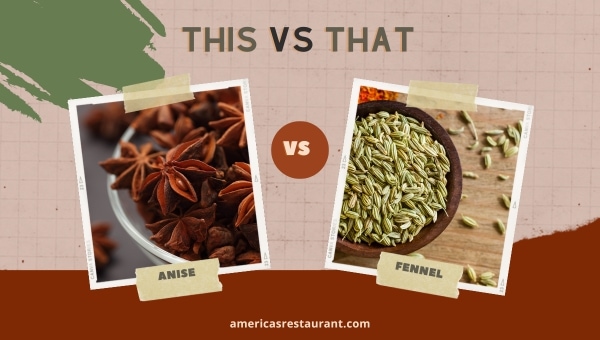
What's Anise?
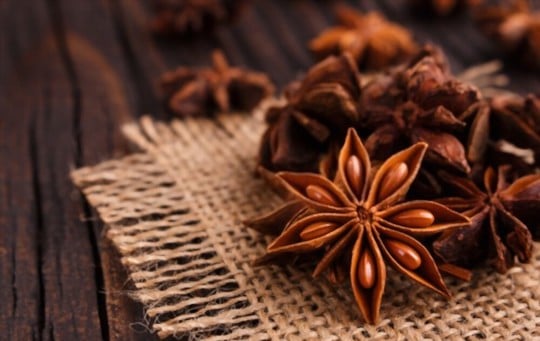
Who knew that one of the oldest spices in the world would come to grace our kitchens? Anise, a spice native to the Mediterranean and the Middle East, has been used for its flavor and medicinal properties since ancient times.
With its subtly sweet licorice taste, anise is delightfully complex with herbal notes of mint, fennel, and tarragon - all rolled into one.
Cooks often use ground aniseed to create richly flavored desserts such as biscotti or pastries; one of the most popular dishes is Italian Anisette cookies.
Even more, interestingly, some herbalists mix aniseeds with honey as a remedy for sore throats.
No matter how you look at it, anise adds a delicious flair to any meal.
Health Benefits of Anise
Anise is a wonder ingredient, with tremendous health benefits when taken regularly.
It has been long used as an anti-inflammatory that helps to soothe muscular aches and pains and can even help with respiratory issues such as bronchitis.
Also, it is incredibly well known for assisting with digestive disorders such as bloating and indigestion.
Studies have shown its antimicrobial properties, effectively killing bacteria in the digestive system.
Its abundant antioxidants are also great for detoxifying the body and warding off disease.
Anise is certainly a gift from nature that everyone should take advantage of - it's certainly no surprise that people have been taking it for centuries; for another simple herbal practice, see boiling grapefruit and lemon-peel benefits for related detox ideas.
a quick comparison, consider anise vs star anise comparison to see how they differ.How to use Anise in Cooking?
Anise is an ancient spice with a multi-dimensional aroma and flavor.
Used widely in Burmese, middle-eastern, Indian, and Mediterranean cuisine, it's a staple ingredient that many home chefs should get to know intimately.
For the best results when using anise in cooking, begin by procuring a high-quality product that can feature luscious notes of licorice, clove, and fennel - and decide between anise seed vs anise extract options depending on the recipe.
When prepping for recipes, avoid grinding it too fine, as that can cause its flavor to become overwhelming.
Also, try toasting the anise seeds before adding them to any dish; this will bring out more of their delicate taste and aroma.
Once finished cooking with anise, store it away in an airtight container to help preserve its potency.
As for how it pairs with other food flavors, consider serving up sweet and savory dishes such as saffron-scented couscous or sticky honey-glazed roasted duck.
You could also experiment with chai tea spiced cookies or coconut cardamom ice cream for something unusual.
What's Fennel?
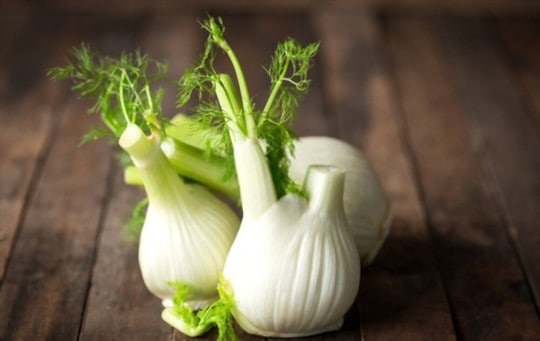
Fennel is an intriguing vegetable with a flavor of licorice and aniseed, originating in the Mediterranean.
It has become one of the most valued culinary ingredients due to its various culinary uses, having a long history of being used in many countries all around the world.
Fennel's bulb, stalks, and seeds are particularly revered in Italian dishes such as pasta and salads, while it is also added to other savory dishes such as soups and stocks for great flavor.
Even among sweet recipes across cultures, such as French desserts and Indian pudding, fennel can be substituted for something as simple as sugar or even used as a garnish on sandwiches.
Fennel's versatility and powerful taste make it an essential part of any kitchen pantry.
Health Benefits of Fennel
It's true, according to scientific studies, this miracle plant has many uses, specifically when it comes to digestive properties and anti-inflammatory effects - and a closer look at fennel vs fennel seed comparison reveals which form offers which benefits.
For instance, as per one study published in the "Journal of Traditional and Complementary Medicine," celery compounds and compounds present in fennel helped reduce inflammatory markers considerably in certain laboratory animals.
Another study suggested that sesquiterpene oil from fennel can bring down the levels of gastric acid secretion resulting in increased digestion.
These findings are enough for us to stand amazed at the power of this age-old remedy.
Clearly, there's a place for thoughtful consideration about whether or not we should include fennel prominently in our daily diets.
How to use Fennel in Cooking?
Cooking with fennel doesn't have to be perplexing; with the right tips and guidelines, you will master it in no time.
Begin by preparing it; you can slice or dice the bulb depending on what dish you are making.
The leafy fronds also add bright flavor to salads and other dishes.
To store fennel, wrap it up in a plastic bag or damp paper towel to keep moisture locked in before storing it in the fridge, and it should hold for several days.
Finally, when pairing flavors of your fennel dishes, try adding citrus fruit like oranges and lemons to boost the wild anise-like notes this veggie naturally has - see what fennel tastes like guide for more pairing ideas.
Step out of your comfort zone and get creative- fennel goes great with fish, pasta dishes, or even as a topping on pizza.
Don't be intimidated - cooking with fennel is as straightforward as ever.
Differences Between Anise and Fennel
The most common misconception is that they are one and the same.
While both spices have a licorice flavor, there are still distinct differences between them.
If star anise is mentioned as a similar spice, alternatives can be helpful - star anise substitute ideas and uses lists flavorful choices.
Appearance and Taste
Anise and fennel - are two aromatics of the Apiaceae family that look so dexterously uniquely similar yet are distantly dissimilar in flavor.
Anise is an umbelliferous herb containing powerful essential oils with a distinct sweet licorice taste, whereas fennel is a tall plant that fosters feathery green foliage and can be better described as having earthy notes classified by its creamy crunchiness.
The disparity between the two vastly varies from aroma to taste.
Anise will emit a pungent aroma, while the smell of fennel will appear much sweeter; in fact, it smells highly similar to aniseed, albeit a less potent version of the fragrance.
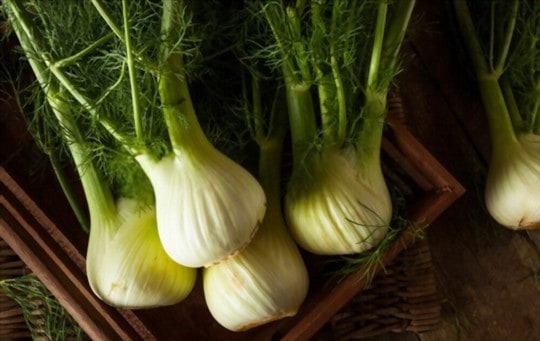
Looking beyond their flavors, looking wise eyes would most certainly notice each one's physical identity differs greatly too: Anise has star-shaped seeds, whereas fennel has the appearance of elongated bulbs.
Definitely perplexing for those undertaking a food journey exploring different aromatic herbs.
For a contrast in flavor profiles, a sensory description such as what acai berry tastes like revealed shows how different aromatic notes read on the palate.
Culinary Uses
There is a lot of confusion in the cooking world when it comes to anise and fennel.
While both distinct flavors taste remarkably similar, they are actually two separate spices and offer different notes in a dish.
Anise has a light, sweet licorice taste and scent compared to fennel's heavier, fruity licorice flavor.
For instance, anise is often used in pastries and cakes, while fennel can be found as a primary ingredient in savory soups and stews or as a classic addition to fried fish recipes.
The herbs can also be used together in some dishes; they provide the perfect balance of flavor when included in braised vegetable mixtures or Mediterranean-style salads with cucumbers, tomatoes, feta cheese, and olives.
However, when selecting either spice for your cooking arsenal, consider their flavors and always use them separately or together with caution: too much anise can quickly overwhelm the palate while adding too much fennel might make the food unbearably bitter.
Health Benefits
Anise and fennel are both commonly used herbs that have similar characteristics yet can offer vastly different health benefits.
On the other hand, anise is known for its antioxidant, antimicrobial, and anti-inflammatory properties.
It also helps to boost digestion and reduce the risk of cancer.
On the other hand, fennel is well-known for its capacity to reduce bloating and help ease a variety of digestive issues.
Also, it may be able to treat respiratory disorders such as asthma or bronchitis due to its expectorant properties.
Still, both can be used to relieve indigestion from upset stomachs, as well as reduce joint pains by relieving inflammation in the surrounding tissues.
Many believe that consuming either one on a regular basis can also lead to an improved sense of well-being through enhanced mental clarity and better sleep patterns - something that not many people know.
All things considered, there's no question that anise and fennel play an important role in maintaining good health among humans.
FAQs
Q: Is fennel also called sweet anise?
A: No, fennel is not the same as sweet anise.
They look quite similar but have distinct differences in their tastes and aromas; while anise has a strong licorice flavor, fennel is more earthy and subtly sweet.
Q: Can you substitute anise for fennel?
A: No, anise and fennel are two very distinct spices that can't be used interchangeably.
If you need to substitute one for the other, consider using only a small amount of either spice, as they both have strong flavors that can quickly overpower a dish.
Q: Are fennel seeds and anise seeds different?
A: Yes, fennel seeds and anise seeds are different.
Fennel has small, oval-shaped seeds, while anise has star-shaped seeds.
Anise also has a stronger licorice flavor than fennel seed, so it's important to keep this in mind when cooking with either of them.
Flavor and Appearance Differences: Anise vs Fennel
They may appear similar, anise and fennel are two very different herbs with unique flavors.
Anise has a stronger, more potent flavor, while fennel is more delicate and sweet.
When cooking with either of these herbs, it's important to be aware of the difference to avoid any unpleasant surprises.
With a little understanding of their individual flavors, you can confidently use anise or fennel to add that perfect touch of flavor to your next dish.
For a deep dive into how the spice tastes on its own, see what does anise taste like? aromatic spice guide. For alternatives when extract is called for, consult 5 best substitutes for anise extract.
Frequently Asked Questions
Sure, they both look and smell similar in nature, but what is the real difference between them? They share some similarities but each has qualities that make it better suited for certain recipes.
In many recipes, yes. Anise and Fennel fill similar roles, though each brings its own character.
Try a small test batch before committing to a full swap.
Availability varies by region. One is usually a standard grocery store item while the other may require a specialty or international market depending on where you live.
Can a beginner tell the difference by taste?
In a side-by-side tasting, yes.
The difference becomes less obvious when mixed into a recipe with other ingredients.
Most people notice the distinction more clearly on its own.