
Did you know that buffalo meat is higher in protein than many red meat animals, including beef?
Also, buffalo meat has more micronutrients, making it one of the healthiest to add to your diet.
Although buffalo meat looks gamey, it is not in the slightest bit, and in today's world, brazil has become one of the top countries for buffalo meat exporters.
If you're one of the few unfortunate ones, and you've never tasted this scrumptious meat before, wondering, "what does buffalo meat taste like?
Read on as we look closer into its taste profile, what buffalo meat is, and how to cook and serve it.
What is Buffalo Meat?

It is evident from the name itself that it is meat derived from a buffalo.
This red meat is extra lean, and because it is extremely low in fat, it is also known to be a leaner substitute to beef.
But not only that; buffalo meat is better than beef due to multiple reasons.
For starters, they have fewer calories compared to their rival and more proteins in a similar cut between the two.
Buffalo meat also has a higher percentage of iron and healthy fats.
In fact, the two have more similarities: taste profile - and readers interested in dairy analogs can compare with a buffalo mozzarella flavor guide.
Only most red meat enthusiasts can tell the two apart when offered without letting them know which meat is buffalo or beef.
Still, buffalo meat also has fewer percentage of saturated fats compared to beef, so all in all, it is slightly healthier and tastes better than your average beef.
What Does Buffalo Meat Taste Like?
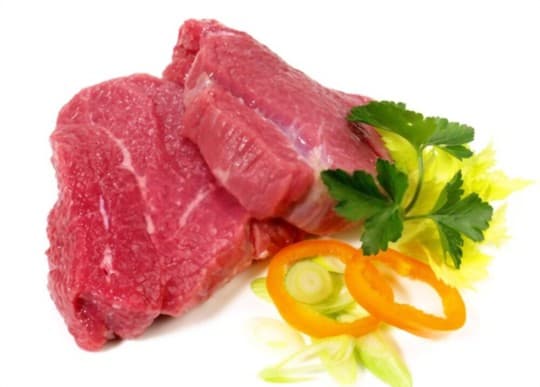
Now that we know exactly what buffalo meat is and why it is a healthier alternative than other red meats, let's move on to its taste profile.
While the taste may vary depending on the type of cooking method or spices and herbs you use to improve the flavor of the meat, it clearly has a unique taste to them for the experienced buffalo meat palate - a contrast that can be interesting when compared to a buffalo sauce flavor breakdown.
Although not gamey and similar in taste and flavors to beef, buffalo meat has a more naturally mild sweet taste to them.
And since the meat is also leaner, it makes them extremely tender when compared.
However, if it's your first time trying buffalo meat, it may taste rather mineral or earthy without proper enhancement.
This is because buffalo meat generally is high in iron by over 60%.
Also, most people get confused not only with beef but between bison and buffalo.
This is considerable because they are both huge animals and almost look the same, with only the hump to classify them as different.
Still, bison and buffalo meat have no differences in their nutrients, taste, texture, or flavor.
Both are rich, packed with nutrients and health benefits, and they are extremely tender no matter how you cook them.
How to Cook and Serve Buffalo Meat?
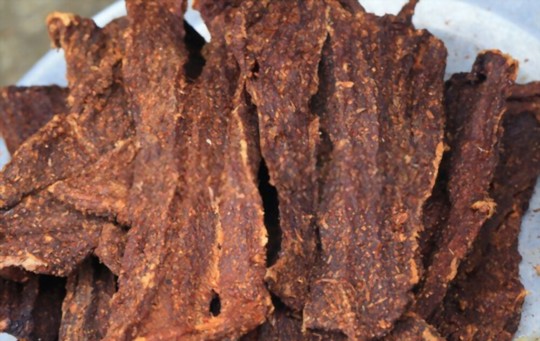
There isn't a traditional way to cook and serve buffalo meat, but there are tips and tricks to improve your first-time buffalo-eating experience - including quick vegetable pairings like 22 veggie sides that cook in under 12 minutes that complement lean red meat.
Like any other red meat, the cooking style depends on the meat's cut.
Regardless, seasoning your buffalo meat will enhance this glorious meat's slightly sweet taste profile and give it a more rich and savory flavor.
Remember that no matter the cut or the cooking style, buffalo meat will always be tender.
Still, marinating for a whole day will blend in the flavors well and give it the perfect seasoning.
Buffalo steaks might be the best choice for you if you're starting out, so take your marinaded meat and place them on the grill until medium rare.
Low-heat grilling is always preferred, and once you've cooked to perfection, serve it with your favorite blend of sauce or alone with light side dishes to go with the rich flavors well.
Since it is fairly low in fat compared to other red meats or meat, you can even serve your favorite rice or vegetable recipe with buffalo steaks.
However, watch out for small errors that could negatively impact the whole eating experience.
By errors, we mean overcooking your buffalo meat.
Since it is leaner than beef, it doesn't take long for it to be in the perfect state.
So overcooking would make the meat tougher and not tender as you want it to be.
Taste Profile of Plum Wine
Although buffalo meat may not be a common substitute for beef in most countries, it is one of the healthiest meat dishes you can eat to stay healthy and strong.
They are packed with proteins, minerals, healthy fats, an extremely flavorful taste profile, and other essential nutrients that your body needs.
Still, you can easily find buffalo meat, so be sure to take the hearty eating experience today.
Gamey comparisons can add context to unusual meats. gamey meat flavor explained provides that background. For small-game perspective, squirrel meat tasting notes offers practical tasting insights.
Frequently Asked Questions
Read on as we look closer into its taste profile, what buffalo meat is, and how to cook and serve it. In fact, the two have more similarities: taste profile.
Now that we know exactly what buffalo meat is and why it is a healthier alternative than other red meats, let's move on to its taste profile.
Brand and preparation can shift the taste of Plum Wine noticeably. Ingredients, sweetness levels, and carbonation all vary, so trying a few versions gives a fuller picture.
Does ripeness or age change the taste?
Significantly.
Younger or less ripe versions are often sharper, more astringent, or more bitter.
As it matures, flavors typically mellow and deepen into something more complex and approachable.
Texture and taste are inseparable. A pleasant texture encourages slower eating and better flavor perception.
Off-putting textures - too mushy, too fibrous, or unexpectedly gritty - can make even good flavors less enjoyable.