
Pastis, such as Ricard or Pernod, is the closest swap for ouzo, in the same amount.
- Sambuca is much sweeter, so cut about 1 teaspoon of sugar for every tablespoon you pour.
- Absinthe is much stronger, so start with half the ouzo amount and taste.
- For a bottle-free swap, use 1 teaspoon of anise extract for every 2 tablespoons of ouzo.
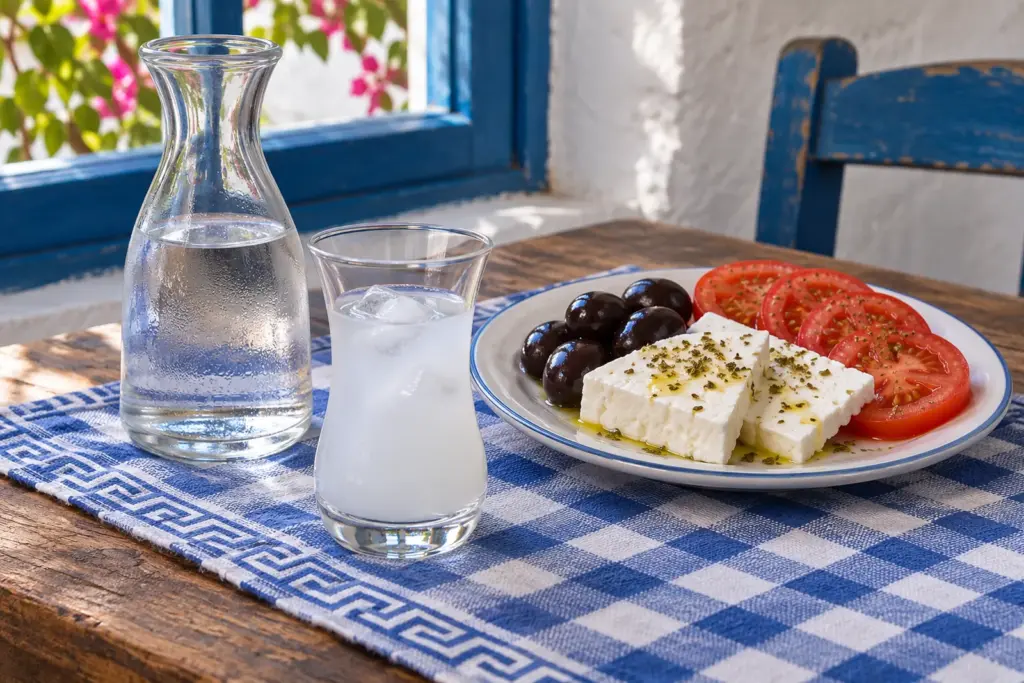
Ouzo is a Greek aperitif flavored mainly with anise, so the best substitutes for a missing ingredient here are other anise spirits, adjusted for how strong and how sweet each one is. Strength and sugar differ by brand, so each number below names the bottle or rule it comes from.
What Does Ouzo Do in a Recipe?
Ouzo adds anise flavor and enough alcohol to carry that flavor through a sauce. VinePair lists a 37.5% alcohol minimum and says bottles are often 40%. Wikipedia explains that anethole, the oil of anise, dissolves in alcohol but not in water, so ouzo turns milky when you add water or ice. Bartenders call that cloudy change the louche.
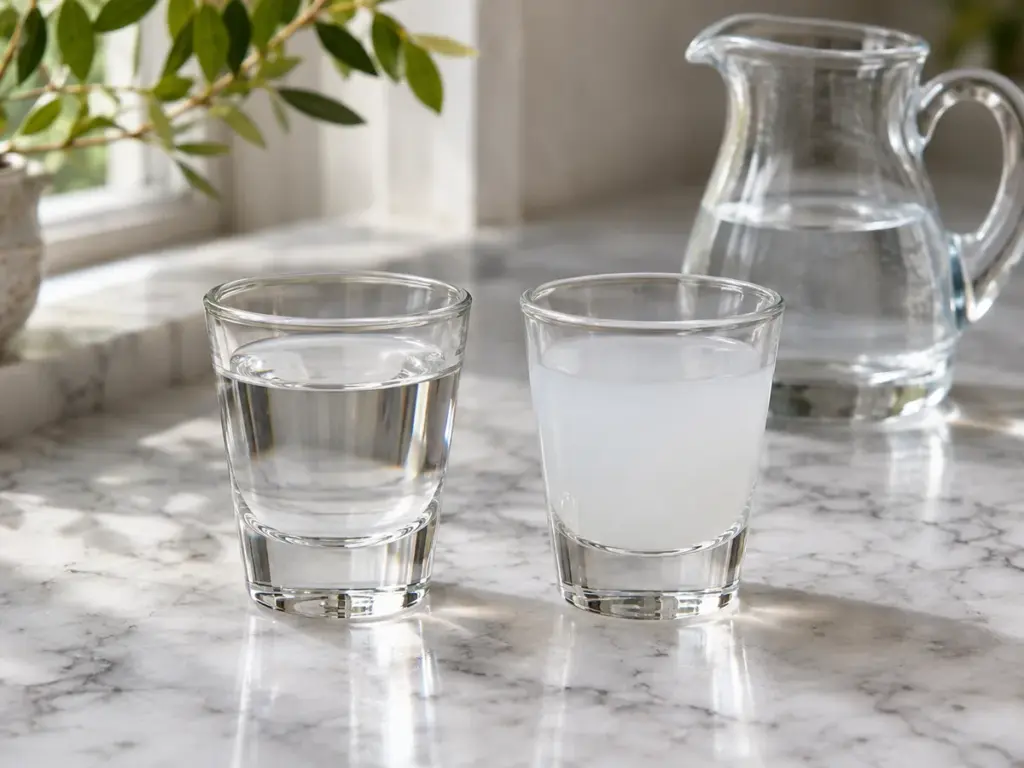
Every country around the Mediterranean has its own version of the same drink. Wikipedia lists sambuca from Italy, pastis from France, rakı from Turkey and arak from the Levant as the aperitifs most like ouzo, and each one is a candidate below.
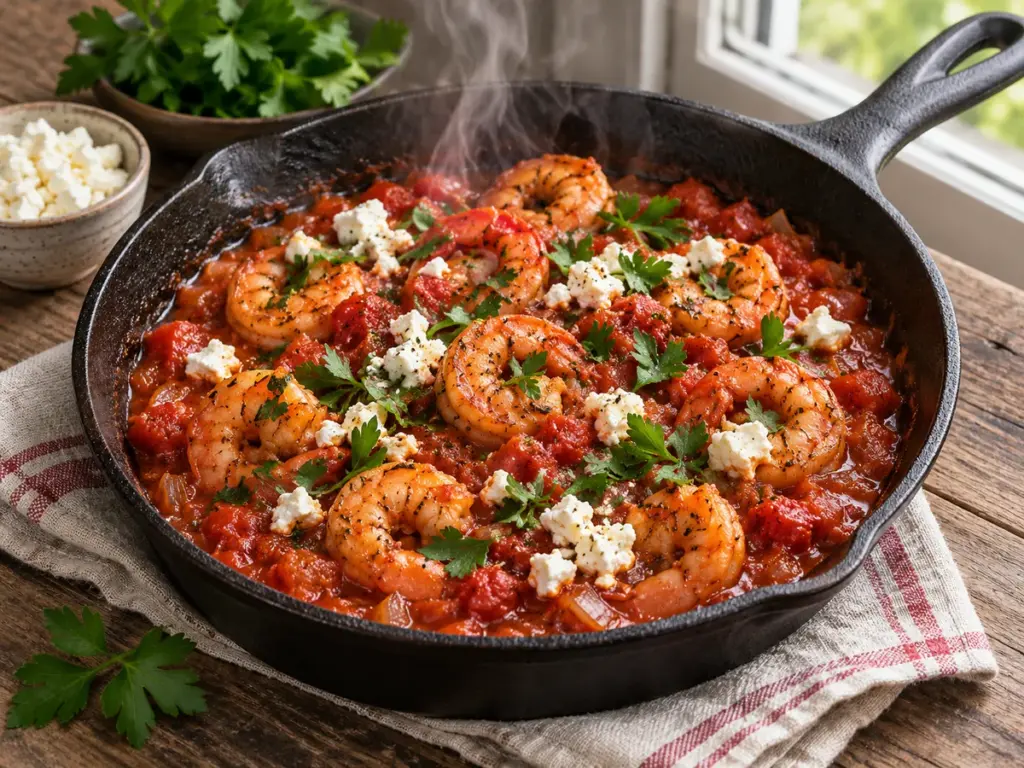
A classic use is shrimp saganaki, where America's Test Kitchen flames ¼ cup of ouzo in the skillet. Any swap has to match that anise note first, then the strength and sweetness.
What Are the 6 Best Substitutes for Ouzo?
| Substitute | For Ouzo | What Changes |
|---|---|---|
| Pastis | 1:1 | Ricard: more licorice |
| Arak, rakı | 1:1 | Arak: 50% or more |
| Sambuca | ⅔ savory, 1:1 sweet | Much sweeter |
| Absinthe | ½ | Stronger, wormwood |
| Anise extract | 1 tsp per 2 tbsp | Add liquid |
| Anise seed | 2 tsp per 2 tbsp | No alcohol |
1. Pastis (Ricard or Pernod)
Pastis is the closest match. The saganaki recipe says Pernod can be substituted for the ouzo, and America's Test Kitchen tasters found ouzo an "admirable stand-in" for Pernod or pastis, so the swap works in both directions at the same amount. The same test says Pernod and pastis are used interchangeably in Provençal soups and stews, which makes pastis the natural pick for a fish stew that calls for ouzo.
- Pernod: 40% alcohol (80 proof) per Difford's Guide, the same strength as most ouzo, and made with a low licorice content.
- Ricard: 45% alcohol on the Pernod Ricard brand page, with licorice extract added to its star anise and fennel.
- Louche: if you mix a drink, Ricard suggests 2 cl with 5 to 7 times as much water.
2. Arak or Turkish Rakı
Arak is a clear, unsweetened anise spirit that Difford's Guide calls "not unlike ouzo." It is typically 50% alcohol or over against ouzo's usual 40% or more, so pour the same amount in a pan and taste before adding more. Difford's Guide says Turkish rakı is comparable to arak, so the same rule holds.
For a drink, you can follow Difford's Guide and dilute arak at about 1 part arak to 2 parts water and add the ice only after the water, because cold ice can make the anethole solidify.
3. Sambuca
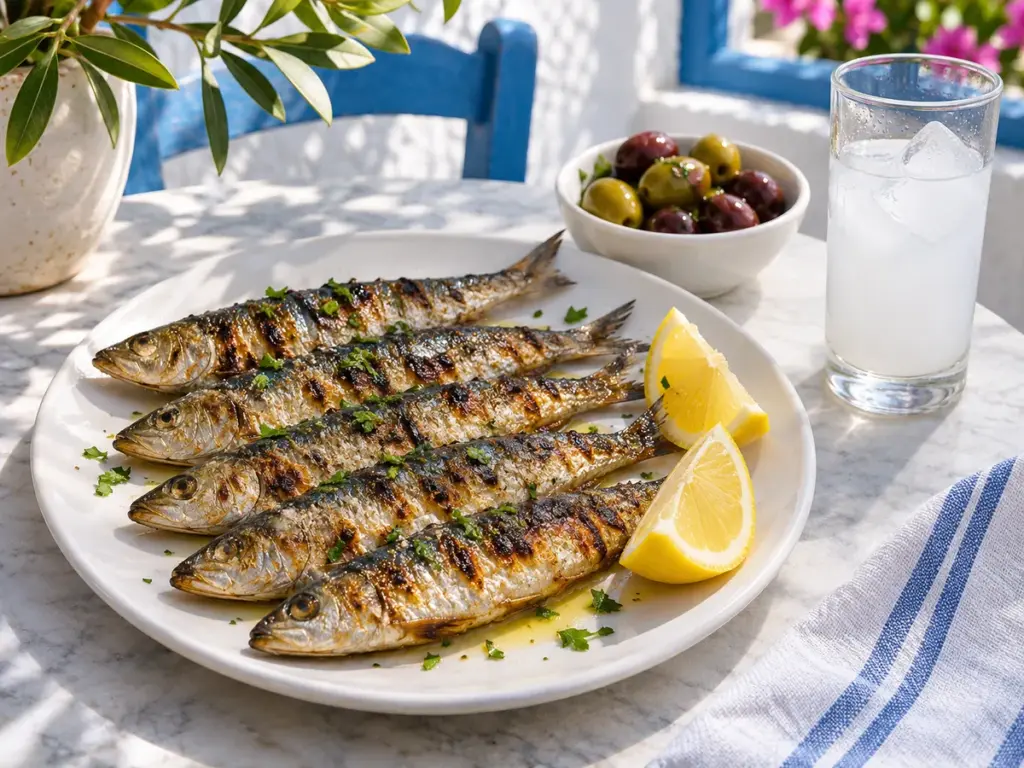
Sambuca is the Italian anise liqueur, flavored mainly with star anise oil and bottled at 38% alcohol or more. Drinks International says it must hold at least 350 grams of sugar per liter, while Wikipedia puts pastis under 100 grams, so sambuca holds at least 3.5 times the sugar of a pastis such as Pernod or Ricard. America's Test Kitchen tasters called it "far too sweet" in two test dishes, so sweetness is what you watch.
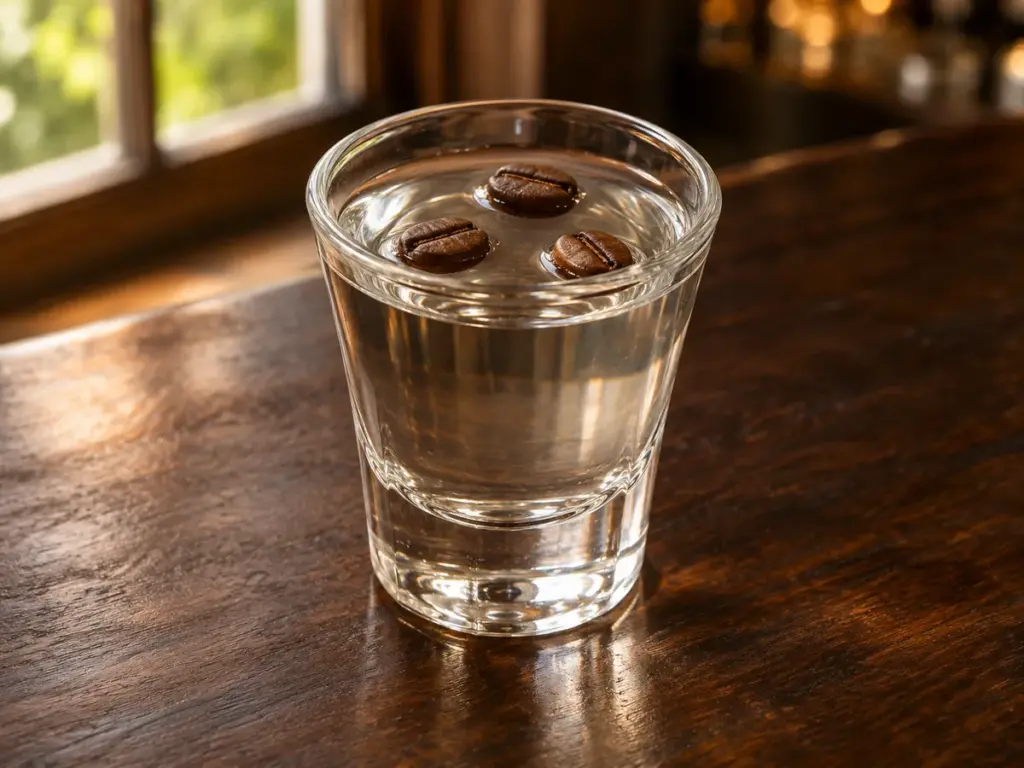
Wikipedia says sambuca is traditionally served after coffee or in it, so its sweet anise taste belongs in dessert-style uses. By that figure, one tablespoon carries about 5 grams of sugar, a little over 1 teaspoon. In desserts, pour the same amount as the ouzo and cut 1 teaspoon of sugar per tablespoon. In shrimp or cheese dishes, start with two thirds of the ouzo amount and finish with lemon.
4. Absinthe
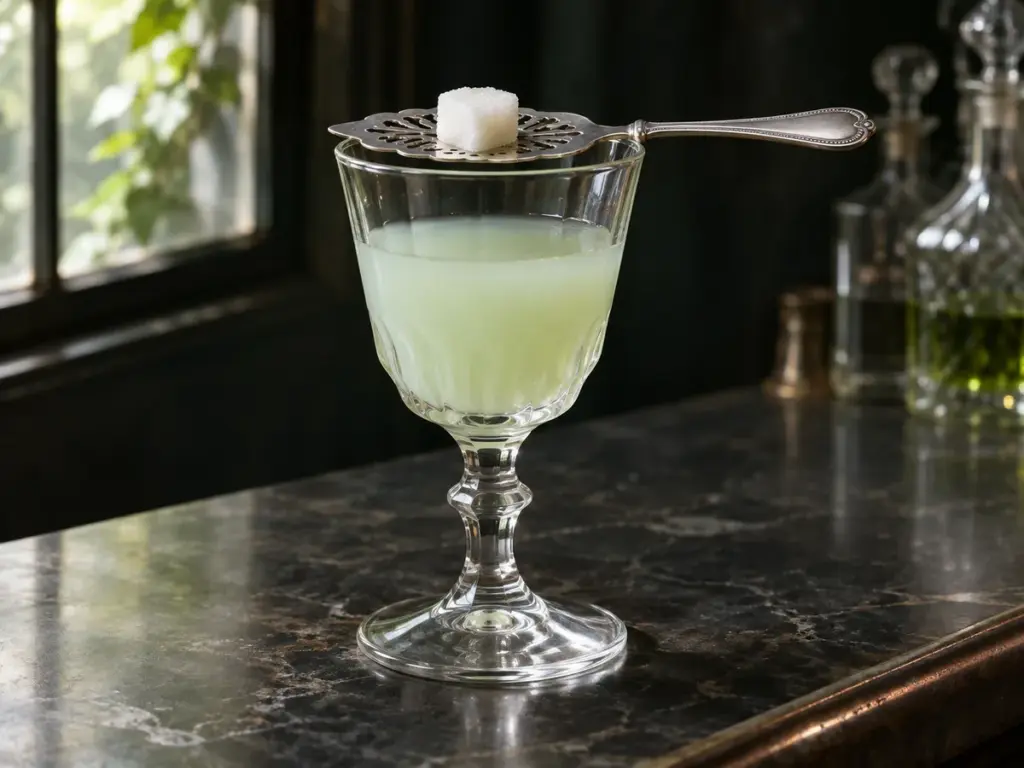
Absinthe is flavored with wormwood, green anise and fennel, and Wikipedia gives its strength as 45% to 74% alcohol. That range is why it needs the smallest pour of any spirit swap here: start with half the amount of ouzo and taste before you add more. It is a dry spirit, so you do not need to adjust sugar, but the wormwood is an ingredient ouzo does not have.
For a drink, you mix 1 part absinthe with 3 to 5 parts water, the classic ratio Wikipedia gives, and it turns milky like ouzo. Bottles vary widely in strength, so check the label first.
5. Anise Extract
Anise extract is the easiest swap when you cook more than you drink. Olive Nation says 1 teaspoon of extract replaces 1 to 2 tablespoons of an anise liqueur such as ouzo, pastis or sambuca. Use the 1 teaspoon per 2 tablespoons end of that range, which is the smaller dose, and taste before adding more. In a drink or a sauce you do not cook, Olive Nation says to add extract one drop at a time.
- Liquid: extract has none of ouzo's volume, so make it up with water, broth or white grape juice.
- Flambé: a teaspoon is too little to flame, so you cannot use extract to stand in for the spirit.
- Alcohol: Olive Nation's extract is suspended in alcohol, so a dish made with it still contains a trace.
6. Anise Seed (Alcohol-Free)
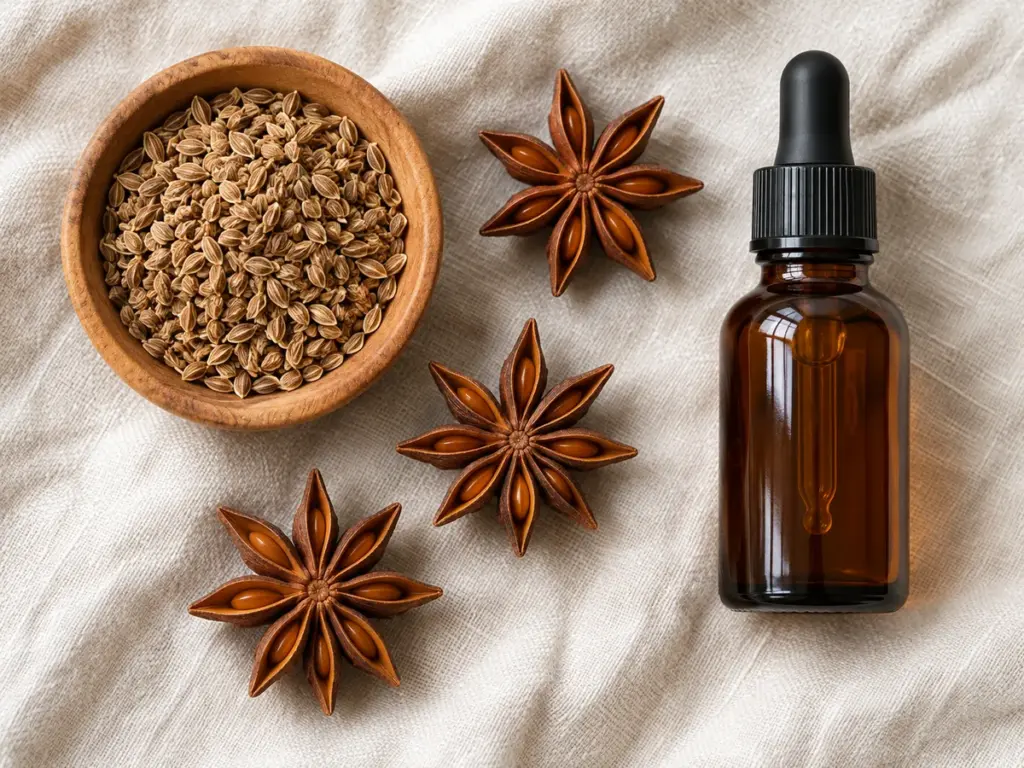
Anise seed is the swap for a dish with no alcohol at all. Olive Nation puts 2 teaspoons of ground anise seed equal to 1 teaspoon of extract, which works out to about 2 teaspoons of seed for 2 tablespoons of ouzo. Crush the seeds, simmer them in the recipe's water or broth until the liquid smells strongly of anise, and strain, so you get the flavor without gritty specks.
Whole star anise works the same way. Drinks International says it carries a comparable amount of anethole, and Olive Nation puts one pod at about 1 teaspoon of extract, so by that conversion one pod simmered in your liquid stands in for 2 tablespoons of ouzo. Remove the pod before you serve.
How Do You Flame Ouzo or a Substitute Safely?
If you plan to flame the spirit, as in saganaki, measure it into a small cup first and keep the bottle away from the stove. America's Test Kitchen tells cooks to tie back loose hair and roll up sleeves before they ignite the ouzo and shake the skillet until the flames subside.
Which Substitutes Do Not Work for Ouzo?
Some bottles look right but carry no anise, so the dish loses the flavor ouzo supplies. Cretan raki shares a name with Turkish rakı, yet Difford's Guide notes it does not contain anise. Plain vodka or white wine gives you the alcohol and none of the anise, so add a little anise seed or extract to it first.
Every working swap on this list carries anise, because that flavor is the part of ouzo you want to keep, so a cook who dislikes licorice will taste it in any of them.
Sources
- America's Test Kitchen, Anise-Flavored Liqueurs (ouzo an "admirable stand-in" for Pernod or pastis; sambuca "far too sweet")
- America's Test Kitchen, Flambeed Shrimp with Tomatoes, Feta and Ouzo (¼ cup ouzo, Pernod substitute, flambé safety)
- VinePair, Ouzo Essential Info (37.5% minimum, often 40%, louche)
- Wikipedia, Ouzo (anethole dissolves in alcohol, not water; similar aperitifs by country)
- Difford's Guide, Arak, Araq and Raki (50% or more, unsweetened, dilution, ice after water, Cretan raki has no anise)
- Difford's Guide, Pernod Anise (40%, 80 proof, low licorice content) and Pernod Ricard, Ricard (45%, 5 to 7 volumes of water)
- Wikipedia, Pastis (under 100 g/L sugar)
- Wikipedia, Sambuca (38% minimum, star anise, colors) and Drinks International, Jewel of the Mediterranean (350 g/L sugar)
- Wikipedia, Absinthe (45% to 74%, ingredients, 1 part to 3 to 5 parts water)
- Olive Nation, How to Substitute with Anise Extract (extract and seed ratios) and Anise Extract (suspended in alcohol)

Food writer at GustoMeadow. Writes ingredient substitutes, food comparisons, taste guides and storage guides for home cooks.
Storage and food-safety numbers follow USDA, FDA and university extension guidance.



