
Avocado oils are nutritious, healthy, and edible oils extracted from avocado pulps.
Due to its nature, avocado oils do not go rancid quickly.
However, these oils will lose some of their healthy nutrients after a certain period.
When you buy a bottle of this oil, your first thought might be, how long does avocado oil last?
For this oil, it can last up to 2 years when unopened and can even hit up to 9 months if opened and refrigerated properly.
You should be concerned about bad avocado oil as though it might not make you sick instantly; it leaves an unpleasant smell and has long term effects.
Bad avocado oil develops free radicals that lead to long-term cell damage which might potentially lead to the development of chronic diseases.
Therefore, even if your oil is way before the printed date, you should check your oil before use.
Shelf Life of Avocado Oil
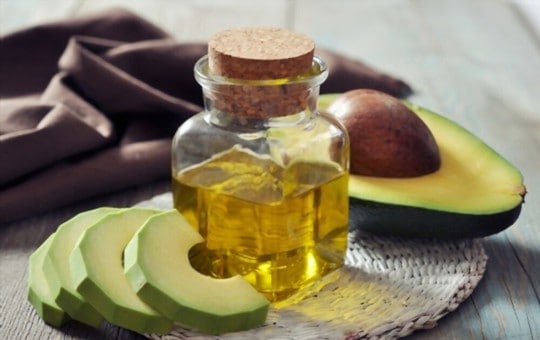
Compared to other oils, Avocado oil has a relatively long lifespan, as it has fatty acids that help it last quite a while.
This oil has a shelf life of one to two years before it gets worse - comparable to durable kitchen items such as a Himalayan salt block lifespan guide.
It is, however, said to be likely in good condition for usage before its expired printed date.
So, yes, avocado oils can go bad.
The unrefined type of Avocado oil can serve up to six months once the bottle is opened, while you can use the refined one for more than six months after its first consumption.
The shelf life of the oil can also be determined by its storage place.
The Avocado oil can last up to six months when stored in the pantry because the oil will be protected from light, heat, and oil breakdown.
Only sealed oil bottles are advised to be stored in the pantry, and you should store them in low-oxygen conditions.
Also, this oil can last up to nine months before going bad when stored in the fridge.
This is because the oil is protected from heat, sunshine, and oxygen, which helps to preserve it for long-term use.
You can also freeze Avocado oil to extend its shelf life.
To appropriately freeze your oil, you have to ensure;.
- Your freezer is set at a temperature of 35 to 37 degrees.
- Pour your Avocado oil into a dark freeze-safe container, and seal it tightly.
Tough refrigeration can cause the avocado oil to solidify and become cloudy; this will not affect the quality and flavor of the oil once it is brought to room temperature.
The oil will return to its normal color and consistency.
However, it will go stale if not stored safely and keenly under the required temperatures.
How to Tell if Avocado Oil is Bad?
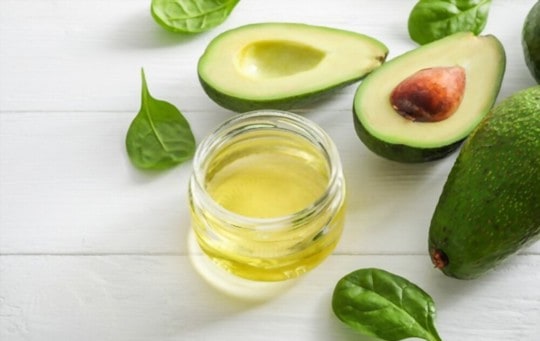
There are several ways to tell if your Avocado oil has gone bad.
Among the ways is by tasting its flavor; oil that has gone bad has an unusual flavor.
Avocado oil will shift from its usual taste to a harsh, acidic, or unpleasant taste.
This can be a result of oxidation that has happened, and this oil should be disposed of immediately.
Consequently, oil that has gone bad has visible signs.
You can note this from its color to its texture.
Usually, the Avocado oil is always intense green or pale yellowish when it is still in its natural color.
If you start noticing weird changes in your oil, it indicates it has gone bad.
These changes can occur if the oil has been subjected to cold storage temperatures.
You can also tell that your oil has gone bad if it starts producing a foul smell.
This may result from improper storage after use or a longer stay after it was manufactured.
You are advised to immediately throw away the oil, as it has already been contaminated.
Storage lifespans vary by fat content and processing. peanut oil shelf-life details examines peanut oil longevity. sandwich shelf-life guide explains how long prepared sandwiches stay safe to eat.
Frequently Asked Questions
Avocado oils are nutritious, healthy, and edible oils extracted from avocado pulps. Due to its nature, avocado oils do not go rancid quickly.
However, these oils will lose some of ...
Look for changes in color, texture, or smell. Mold, an off odor, or a slimy surface are the clearest signs it has spoiled and should be discarded.
Does freezing affect the quality?
Freezing extends shelf life but can affect texture.
Ingredients with high water content often become softer after thawing.
This matters less in cooked dishes than in raw applications.
Yes. Early spoilage can be subtle - a slight change in color, a faint off-smell, or minor texture changes are easy to overlook.
Inspect closely before using anything near its limit.