
Quinoa is a seed commonly thought to be a grain that is safe for human consumption and is rich in proteins, B vitamins and fibre.
It is popular because it is a complete protein source with 9 essential amino acids and it is a well-rounded nutritious food.
So, you've just prepared a huge batch of quinoa enough for a week or more and you're wondering, "How long does quinoa last?" Understanding the shelf-life of these seeds is important because when spoiled, they may cause serious health problems.
Raw quinoa lasts between 2-3 years but when cooked, a few days if refrigerated and up to a year if frozen.
You should be concerned about bad quinoa because it may cause stomach aches, nausea and vomiting, diarrhoea, bloating, gagging, indigestion and discomfort.
Quinoa Shelf Life and Storage Tips
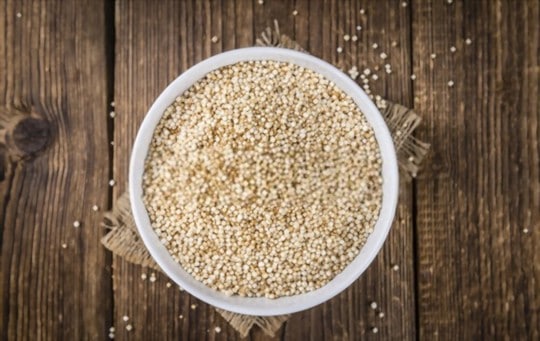
If raw, quinoa has a shelf-life of between 2 and 3 years and can last way longer than the printed "best by date" on the package.
When cooked, the seeds become more prone to spoilage and can last between 5 and 7 days provided that they are kept in airtight containers in the fridge.
When frozen, cooked quinoa lasts between 8-12 months.
Just like most seeds, quinoa doesn't last forever but it can for a couple of years if it is stored properly - similar to how long a Himalayan salt block lasts under good storage.
Usually, these seeds have a "best by" date on their packages that indicate the food's quality and not an "expiration" date which typically indicates the food's safety.
You can, therefore, safely consume raw quinoa past its "best by" date.
- In the pantry, raw quinoa can last between 2 and 3 years and many months past the printed "best by" date on the condition that the seeds are not exposed to moisture and are stored properly. The cooked version can last a few hours in the pantry. .
- In the refrigerator, raw quinoa also lasts between 2 and 3 years and several months past the printed date on the package. If cooked, it'll last between 5 and 7 days provided that it is kept correctly in an airtight container. .
- In the freezer, cooked quinoa lasts between 8 and 12 months but it'll lose its quality over time and may experience freezer burns and changes in texture. When freezing, place the quinoa in heavy-duty freezer bags or in airtight freezer-safe containers. There's no need of freezing the raw seeds.
When storing cooked quinoa in the fridge or freezer, always ensure the seeds have cooled off a bit before packing them in airtight containers or well-sealed bags.
How to Tell if Quinoa is Bad?
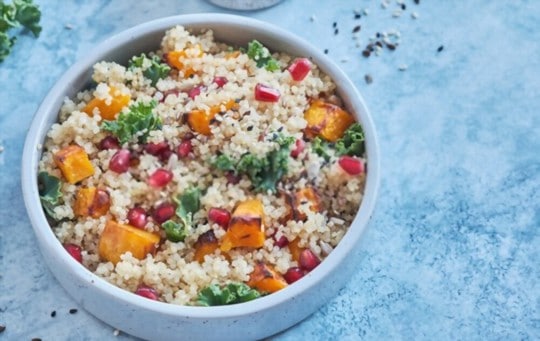
It's not easy to tell if raw quinoa has gone bad due to its extended shelf life.
However, obvious signs that your raw seeds have gone bad are; mould in the package, a funny odour or insects and bugs have gotten into the bag.
If the quinoa is kept dry, these signs rarely show, therefore, the sure way to determine whether your seeds are good or not is to cook them.
When you cook them and notice a texture and taste change, the seeds have gone bad and it is advised you discard them.
For cooked quinoa, spoilage signs are easy to spot and they include; discoloration, growth of mould which manifests as dark patches and an awful, sour smell and flavour.
When freshly cooked, these seeds typically have a nice and mildly nutty smell.
Shelf-life specifics for deli items appear in sandwich shelf-life guide. avocado oil shelf life explained outlines storage expectations for oils.
- Raw and cooked quinoa is bad if it has mould growing. This is due to exposure to moisture.
- If the quinoa whether raw or cooked, has a funny, sour smell and taste, it has spoiled. This is usually due to contaminants and exposure to moisture.
- If there's discoloration then your quinoa has gone bad. This is also caused by moisture.
- If there are insects inside the quinoa, then discard the whole package immediately. Not storing your seeds properly in well-sealed bags or airtight containers will attract these bugs. .
- If the cooked quinoa is runnier than it was when you were storing it, it has gone bad, don't consume.
Frequently Asked Questions
Quinoa is a seed commonly thought to be a grain that is safe for human consumption and is rich in proteins, B vitamins and fibre. It is popular because it is a complete protein sou...
Look for changes in color, texture, or smell. Mold, an off odor, or a slimy surface are the clearest signs it has spoiled and should be discarded.
Freezing extends shelf life but can affect texture. Ingredients with high water content often become softer after thawing.
This matters less in cooked dishes than in raw applications.
Yes. Early spoilage can be subtle - a slight change in color, a faint off-smell, or minor texture changes are easy to overlook.
Inspect closely before using anything near its limit.