
The vanilla name has been tarnished in recent years to mean something boring or simple.
But the truth about vanilla and its flavor is far from simple.
If you have ever seen a vanilla bean, one thing to note is that no two beans are alike.
All have different properties and scents that make them unique from each other.
However, you can narrow the core flavor of vanilla to a fruity, floral, and creamy taste.
But vanilla is known not just for its flavor but also the aroma it produces when used with other food items.
" we'll also look at all the different ways to use it and its health benefits.
What is Vanilla?
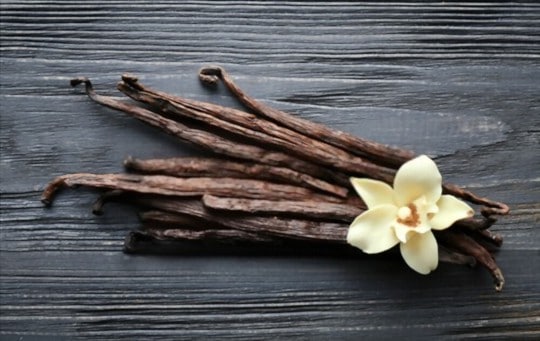
Vanilla is a fruit that comes from the orchid family.
It is used as a type of spice for a variety of reasons.
Currently, there are at least 150 different vanilla varieties grown in various parts of the world.
However, they all carry a similar floral and creamy note that most people recognize.
You can find many forms of vanilla in the market, starting from the original vanilla beans, paste, or even extracts of the vanilla bean - and for citrus pairing ideas, see lemon dessert pairing ideas.
The most widely used form of vanilla is an extract.
Many people use vanilla extract as a flavoring agent when cooking or baking.
It is a highly concentrated version of vanilla beans achieved after soaking a couple of them in ethyl alcohol.
The goal is to "extract" as much of the vanillin found in the beans.
You'll also find vanilla essence, a type of this vanilla extract that is less concentrated, and a synthetic version of the extract.
What Does Vanilla Taste Like?
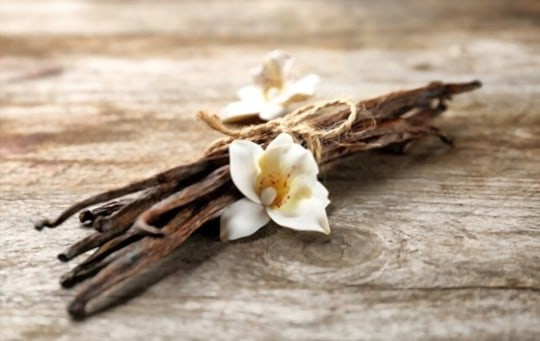
As mentioned earlier, vanilla is grown in many parts of the world, so the flavor of each variety differs slightly.
Hence, the flavor of vanilla can vary widely.
For example, most vanilla beans have floral solid and fruity state notes, while a buttery and earthy undertone can accompany others.
Overall, vanilla's taste can be creamy, floral, sweet, fruity, and sometimes rum-like - and for a spiced take on those aromatics, explore vanilla chai tea flavor notes.
Because vanilla is considered a bean or fruit, it can also have beany and prune-like flavors.
If you consider vanilla extracts, they have a very bitter taste because of the alcohol content.
Because of this, it is advised to use these versions of vanilla in minimal amounts.
The flavor and aroma are strong when it comes to extracts; hence a little bit goes a long way.
According to research, vanillin is known to have many healthy properties such as antioxidants, anti-inflammatory and anti-cancer properties.
On the other hand, the sweet scent and flavor of the spice can help significantly lower your sugar intake.
Some people even use vanilla as a remedy to cure fever, intestinal gas, and tooth decay, and even as an aphrodisiac.
However, there's not much scientific evidence that proves vanilla's effect on these issues.
How to Cook and Use Vanilla?
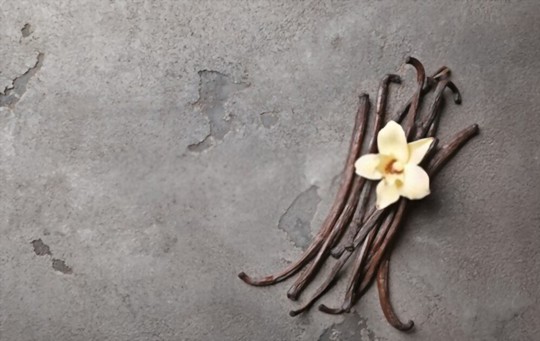
If you are a baker or enjoy the occasional baking sessions at home, you have probably used vanilla to give baked goods a mild yet delicious flavor and fragrance.
You can go for extracts, essences, or even fresh vanilla beans for baking purposes.
You can also find vanilla-flavored ice cream, chocolates, and soft drinks, which all use some form of vanillin found in these vanilla beans.
However, the most common uses are in deserts, cookies, cakes, bread, candy, and pudding - and if a meal needs quick sides, consider veggie sides that cook fast.
A unique take on the use of vanilla is in liqueurs.
Since vanilla naturally has a powerful smell and rum-like flavor, it is excellent for use in liqueurs.
It gives a hint of sweetness to an otherwise almost bland smell.
If you're planning on using fresh vanilla beans, you have to slit the bean in the middle and scrap off the insides, which carries all the taste and fragrance.
You can add the beans to anything you're making.
For example, you can add the beans to a pot of milk and boil it to bring out the flavor and later use the milk for baking cookies, cakes, or make pudding.
If you want your vanilla extract to have a stronger flavor, you can pair it with rum, bourbon, and sugar.
If you don't want to add alcohol, you can go for coconut milk instead.
For vanilla beans, storage is the most important part.
Unlike vanilla extract, which has a very long shelf life, fresh vanilla beans are prone to get spoilt from environmental exposure.
Hence, it is best to store them in dry and cool places.
Keep them in an airtight container to prevent them from drying up.
Key Flavor Components of Vanilla
Vanilla is full of potassium, calcium, and magnesium, which all contribute to the antioxidant properties of the bean.
Apar form its medicinal properties; it adds a bright flavor and aroma to anything you add it to.
So don't be afraid to experiment and get your creative juices flowing.
You can try incorporating it into various dishes and find out which works best.
Frequently Asked Questions
But the truth about vanilla and its flavor is far from simple. But vanilla is known not just for its flavor but also the aroma it produces when used with other food items.
In this article, we will answer the question, "what does Vanilla taste like?" we'll also look at all the different ways to use it and.
Several foods share flavor notes with Vanilla. Tasting similar items side by side is the easiest way to map out what you enjoy and find new favorites.
Can you adjust the intensity of the flavor?
Yes.
Pairing it with acidic, sweet, or fatty components shifts the perceived intensity.
A squeeze of citrus brightens mild flavors, while fats like butter or oil mellow sharper ones.
Avoid pairings that clash with its dominant flavor note. Competing intensities - very sweet with very sour, or heavy with delicate - tend to obscure rather than go with the taste.
For differences between formats, read vanilla extract vs powder comparison. For alternative sweeteners, consult vanilla sugar substitutes for baking.