
The best substitutes for Seitan are Tofu, Tempeh, TVP (Textured Vegetable Protein), Lentils, and Vegan Meat.
Tofu
Although seitan has more protein than tofu, tofu is a complete protein, while seitan is not.
For cooking, Tempeh also works well - adjust the amount to taste.
Ever find yourself in a dinner plan pickle, needing a solid swap for seitan?
Here's the scoop. Scouring the pantry, you need that perfect ingredient for your meal masterpiece.
And bam! You're out of seitan.
We've rustled up the top 5 replacements that'll slide into your recipes like they were made for them.
Think outside the seitan box. Ready to get your culinary game on with something new?
This list is your golden ticket. Each substitute is a solid option, ready to improve your dishes.
The 5 Best Substitutes for Seitan
Seitan is a versatile protein used in various dishes, from stir-fries to mock meats. However, seitan can be difficult to find and sometimes expensive.
If you're looking for a seitan substitute, here are five of the best substitutes out there - consider eggs as meatball substitutes explained for binding textures in some recipes.
1 - Tofu
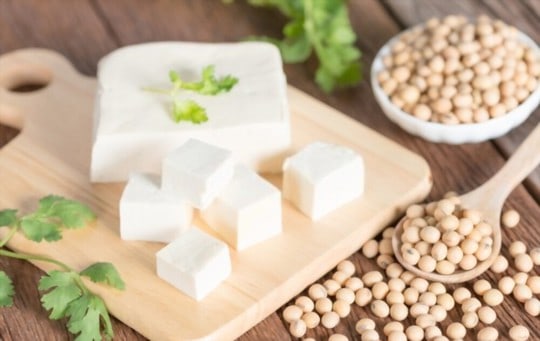
Although seitan has more protein than tofu, tofu is a complete protein, while seitan is not.
Tofu is lower in calories and fat than seitan. Seitan is also quite high in sodium.
Tofu takes on the flavors of whatever it is cooked with, while seitan has its own flavor.
When considering a substitution, consider what flavors you want in your dish and whether or not you mind the extra sodium in seitan.
You may also want to consider texture-tofu is softer than seitan.
All in all, it really depends on your preferences as to whether you prefer tofu or seitan.
If serving tofu as the main protein, try pairing it with BBQ tofu side ideas that pair well to round out the meal.
2 - Tempeh
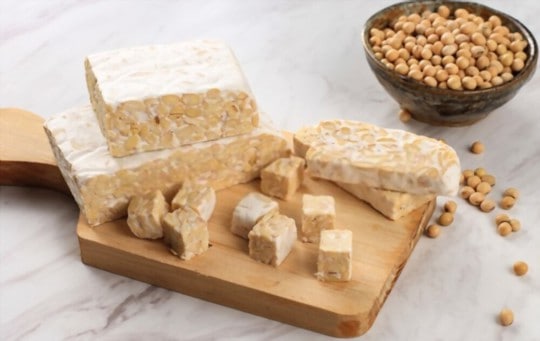
If you're looking for a delicious, healthy alternative to seitan, you should definitely consider tempeh - learn more about tempeh taste and texture guide to match it to recipes.
Although it's often used in Asian cuisine, tempeh is actually a fermented soybean product that originates from Indonesia.
It's high in protein and fiber and has a firm, chewy texture that makes it perfect for stir-fries, curries, and other hearty dishes.
Plus, it's incredibly versatile - you can use it in place of chicken, beef, or pork in almost any recipe.
3 - TVP (Textured Vegetable Protein)
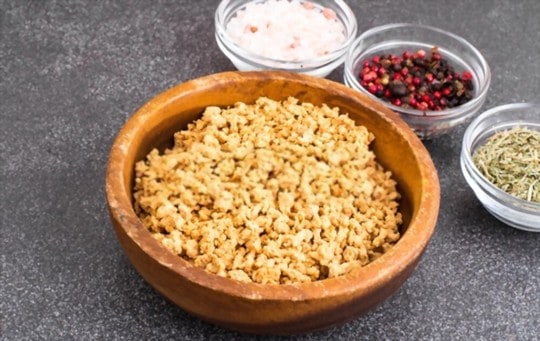
TVP (textured vegetable protein) is a highly flexible ingredient in various recipes.
It's made from soybeans or other vegetables that have been defatted and then ground into flour.
TVP has a high protein content and is an excellent source of dietary fiber.
It's also low in fat and calories, making it a healthy option for those looking to lose or maintain weight.
TVP can be used as a meat substitute in dishes such as chili, tacos, and pasta sauce.
It can also be added to soups, stews, and casseroles to boost the protein content.
For best results, cook TVP in water or broth until it's fully hydrated before adding it to your recipe - try vegetable stock swap options for flavor if a richer soak is needed.
4 - Lentils
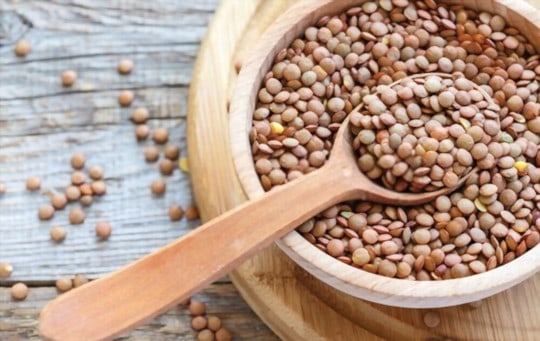
These little legumes are packed with protein and fiber, making them a perfect addition to any meal.
Plus, they're incredibly versatile - you can use them in soups, stews, salads, or even as a replacement for meat in tacos or burgers.
Best of all, they cook up quickly and easily, so you can have a delicious meal on the table in no time.
So next time you're looking for something new to try in the kitchen, don't forget about lentils - they just might become your new favorite ingredient, or see red lentil swap ideas for similar dishes if a specific type is unavailable.
5 - Vegan Meat
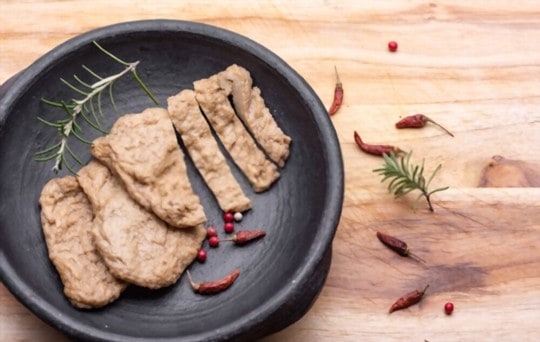
As a chef, I always look for new and interesting ingredients to work with.
So when I heard about vegan meat, I was intrigued.
I had to try it for myself. I have to say, I was impressed.
Vegan meat has a surprisingly realistic texture, and it can be cooked in a variety of ways.
Whether you're grilling, frying, or even baking, vegan meat can hold its own against any traditional protein.
But the best part of vegan meat is its versatility.
With so many different flavors and types available, you can really get creative in the kitchen.
And because it's plant-based, vegan meat is also a healthier option than traditional animal-based proteins.
So if you're looking for something new to try in the kitchen, don't overlook vegan meat.
It might just be the perfect ingredient for your next dish.
Frequently Asked Questions
Tofu, Tempeh, TVP (Textured Vegetable Protein), Lentils, and Vegan Meat. Use it at a 1:1 ratio in any recipe that calls for Seitan.
Yes. Tofu and Tempeh work as direct replacements in most recipes.
Use the same quantity and adjust seasoning after tasting.
Usually not, but check moisture content. Wetter substitutes may need a slightly higher temperature or longer cook time to evaporate excess liquid and achieve the right texture.
Is the substitute appropriate for all dietary restrictions?
Check labels carefully.
Many substitutes introduce allergens or ingredients that conflict with specific diets - dairy, gluten, soy, or nuts may appear in processed alternatives.
Seitan swaps often intersect with other plant-protein solutions - vegetable stock swap options for flavor can deepen plant-based dishes. For binding or texture tweaks in patties or loaves, consult eggs as meatball substitutes explained for reliable alternatives.