
Kale is the closest swap for collard greens, because its leaves are the same size and it takes the same long braise.
- Turnip and mustard greens work too, but they taste more peppery and finish sooner.
- Swiss chard, Chinese broccoli and baby spinach cook faster, so you add them late.
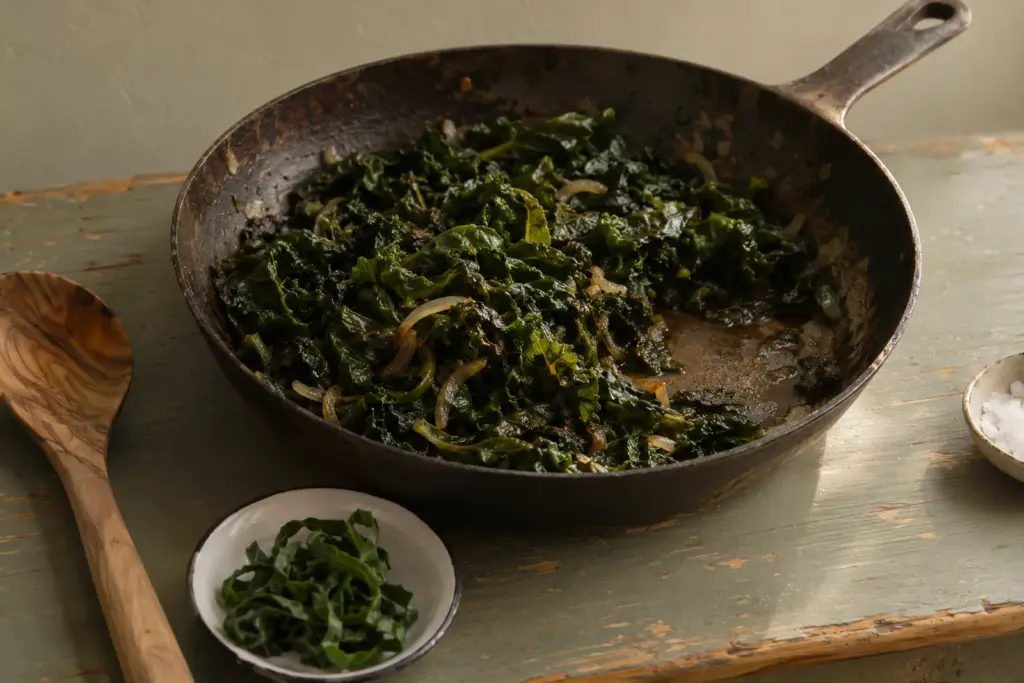
Your recipe decides which leafy green swap fits, because collards simmer for 20 minutes to an hour and most other greens finish much sooner.
What Do Collard Greens Do in a Recipe?
UF/IFAS compares the flavor of collards to cabbage (see what collards taste like), and Illinois Extension calls them fibrous and tough. You cook them 20 minutes to an hour, depending on how mature the leaves are, after you cut out the tough stems and central vein.
A swap mainly has to match that texture and that time. The long simmer also moves nutrients into the cooking liquid, which Southern cooks call pot likker, so Illinois Extension suggests you save it for soup or to soak up with cornbread.
University of Maryland Extension sorts greens into two cook-time groups, and every swap below falls into one of them:
- Baby spinach
- Baby kale
- Collards and Swiss chard
- Mustard and turnip greens
- Cabbage
Collards sit at the slow end of the tougher group. Montana State Extension lists blanching at 8 to 15 minutes for collards, 5 to 8 for turnip and mustard greens, and 2 to 4 for chard.
7 Best Substitutes for Collard Greens
| Swap | Best in | What changes |
|---|---|---|
| Kale | Braises, soups | Same long cook |
| Turnip greens | Braises | Peppery, quicker |
| Mustard greens | Braises, sautés | Sharper bite |
| Green cabbage | Long braises | Shreds, not leaves |
| Swiss chard | Sautés, soups | Stems first |
| Chinese broccoli | Stir-fries | Broccoli flavor |
| Baby spinach | Soups, quick sautés | Add last |
Among the sources used here, only UMass Extension names a swap for collards, and it names kale. For the other six, the same amount of raw leaves is a starting point, not a published ratio, so taste before the pot is done.
1. Kale
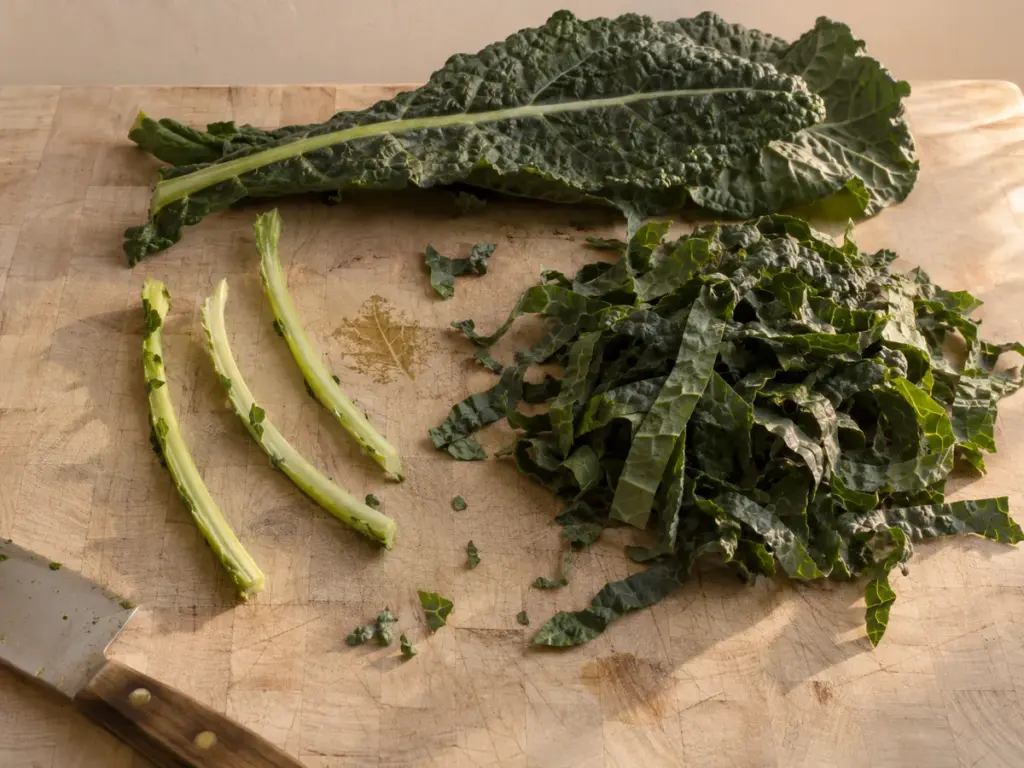
UMass Extension says you can substitute kale in any recipe that uses spinach or collard greens. Kale leaves are about the same size as collards (UF/IFAS), and Montana State Extension lists kale with collards and chard for a braise of about 20 minutes over low heat. Cut out thick stems, slice the leaves into ribbons and start with the same amount of raw leaves.
Baby kale is the exception: University of Maryland Extension groups it with the soft greens that cook in 1 to 2 minutes, so you stir it in at the end. For a raw dish, Montana State says to massage finely cut tougher greens with an acidic dressing.
2. Turnip Greens
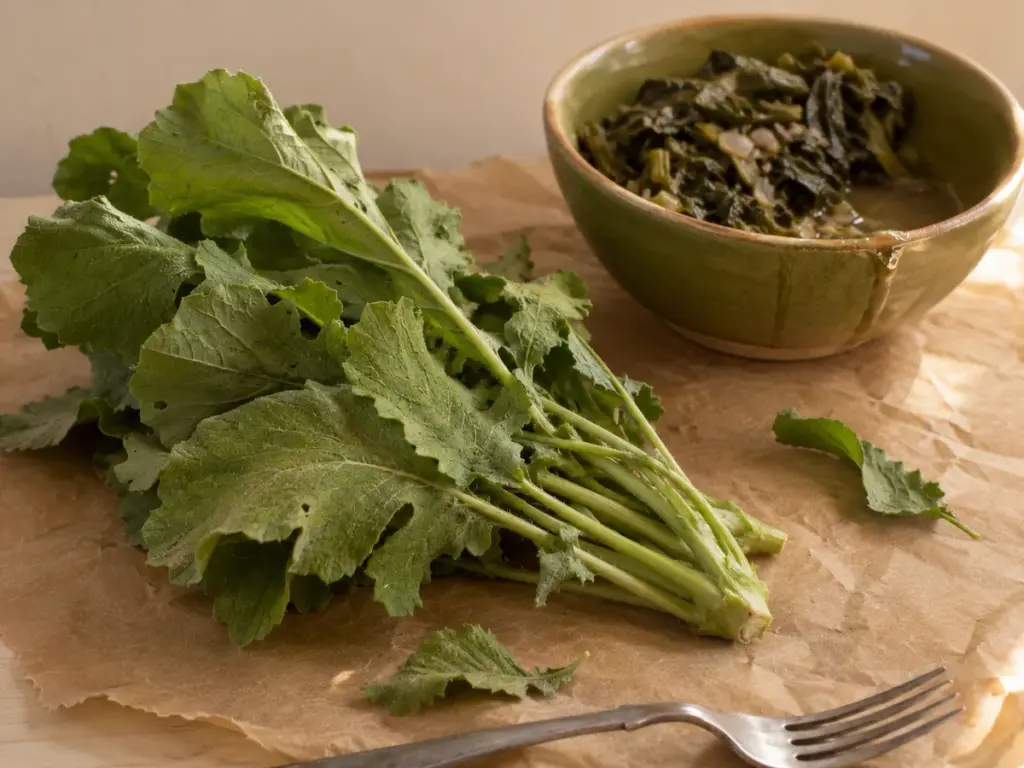
Turnip greens compared with collards have a sharper, more peppery edge: UF/IFAS says they are similar in texture and flavor to mustard greens, which it calls peppery and nutty, while collards taste like cabbage. The leaves are green and fuzzy, and you can cook them in the same slow pot.
They finish sooner, so check a turnip green pot a few minutes earlier than you would collards. Montana State lists 5 to 8 minutes of blanching for turnip, mustard and beet greens against 8 to 15 for collards. For a Southern-style pot, UF/IFAS suggests simmering chopped greens with onion or garlic and saving the liquid for cornbread.
3. Mustard Greens
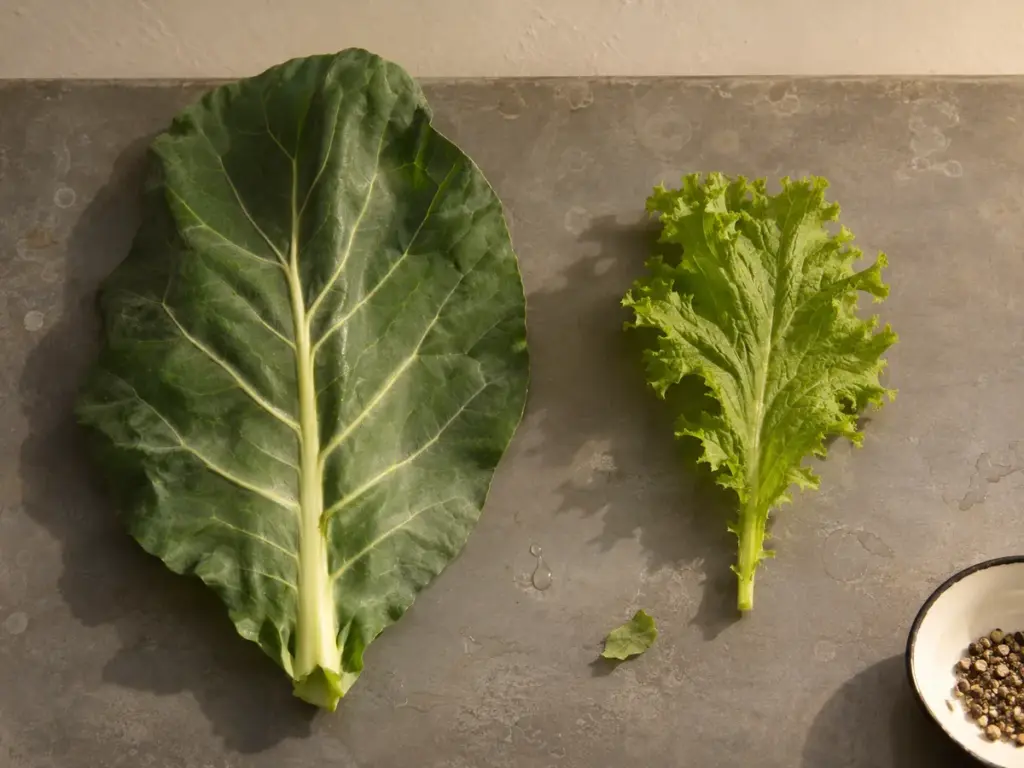
Mustard greens have a peppery, nutty flavor and a lighter texture than collards (UF/IFAS), and University of Maryland Extension groups them with the stronger, more bitter greens. Montana State blanches them in the same 5 to 8 minute range as turnip greens and says small or delicate leaves can be torn by hand or left whole.
If your pot tastes too sharp, replace part of the mustard greens with a milder green. University of Maryland Extension calls Swiss chard, spinach and baby kale mild.
4. Green Cabbage
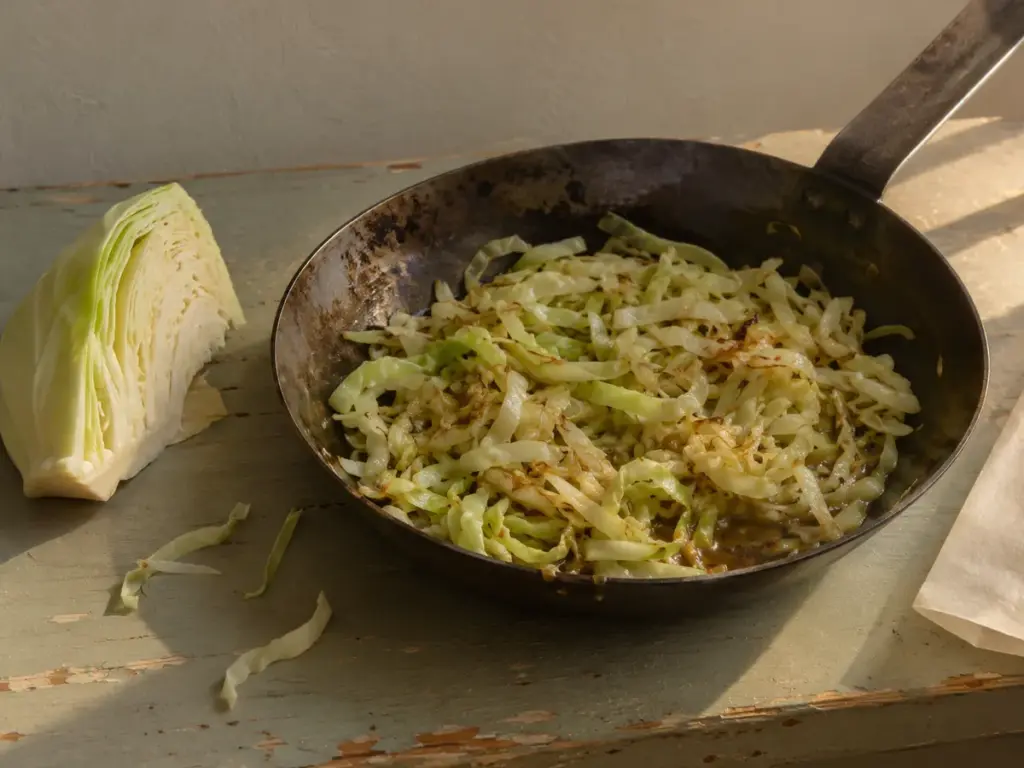
UF/IFAS says collard flavor is similar to cabbage, so green cabbage is a close match on taste even though you get shreds instead of whole leaves. University of Maryland Extension puts cabbage in the tougher group, which needs 5 to 7 minutes or longer, and Adrian Miller told NPR that cooks use cabbage for New Year’s greens in some places.
Slice the leaves thin. Illinois Extension says the top of a head is more tender and suits raw dishes, so you use the bottom half in cooked recipes. A medium head of 2 ½ pounds yields 9 cups shredded raw and 7 cups cooked.
5. Swiss Chard
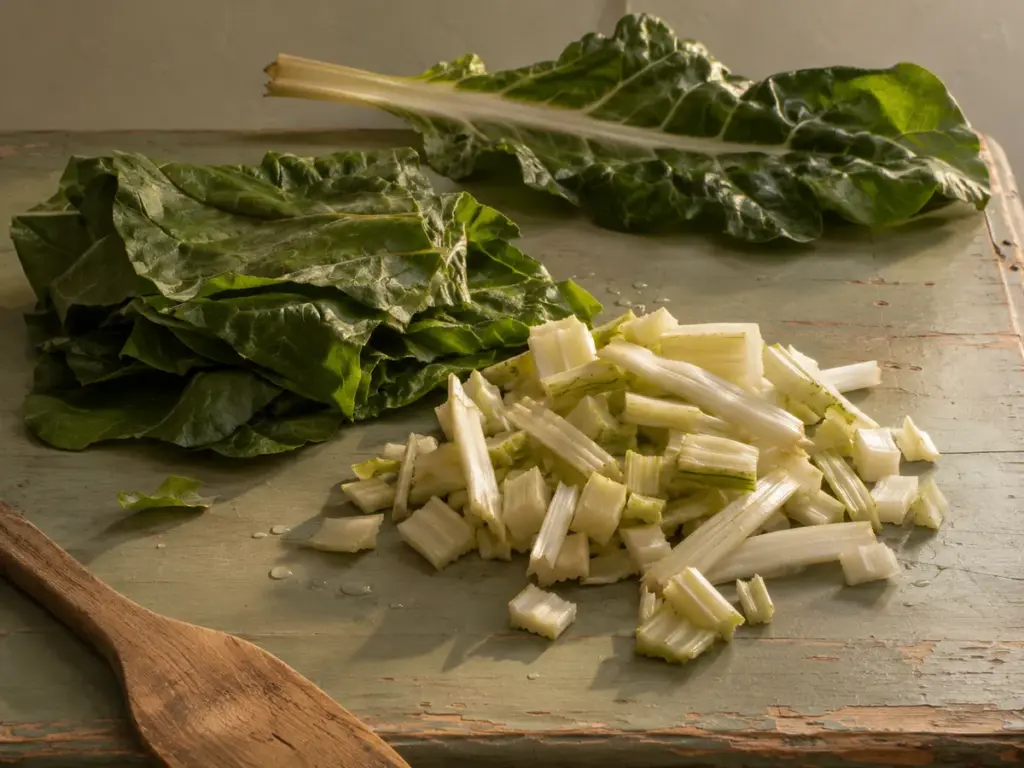
UF/IFAS calls chard milder and more tender than most cabbage-related greens, and Montana State’s blanching time for chard is 2 to 4 minutes against 8 to 15 for collards. In a slow pot, you add the leaves for the last stretch of cooking.
Illinois Extension says the stems take longer than the leaves, so you sauté them separately first, and a little acid such as lemon juice balances chard’s slight bitterness. Illinois Extension says the stalks can be white, red or a rainbow of colors and are all edible, so rainbow chard gets the same separate sauté.
6. Chinese Broccoli
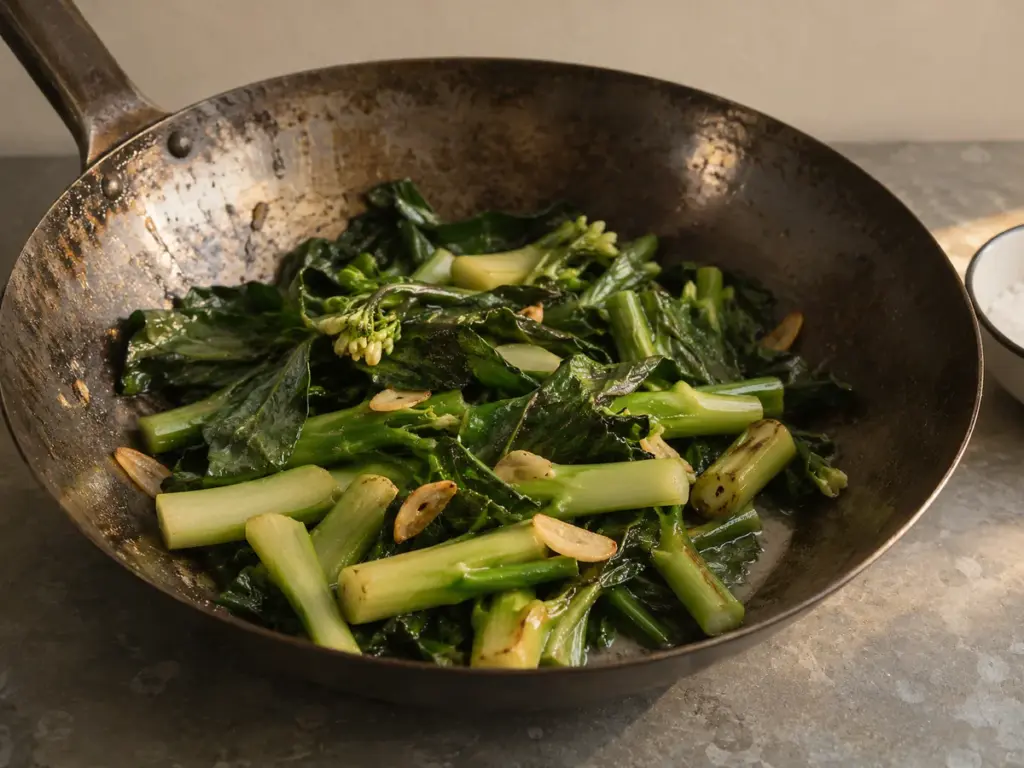
Chinese broccoli (gai lan) tastes like broccoli but stronger, according to NC State Extension, and its stalks, leaves and buds can be used raw or cooked. UC Small Farms says the stems are more tender and sweeter than broccoli’s.
It is a quick-cook swap for sautés and stir-fries, not a long braise. UC’s method stir-fries 2-inch pieces for 1 minute, then covers them with water for 2 more minutes, so you skip it in any pot that simmers for an hour.
7. Baby Spinach
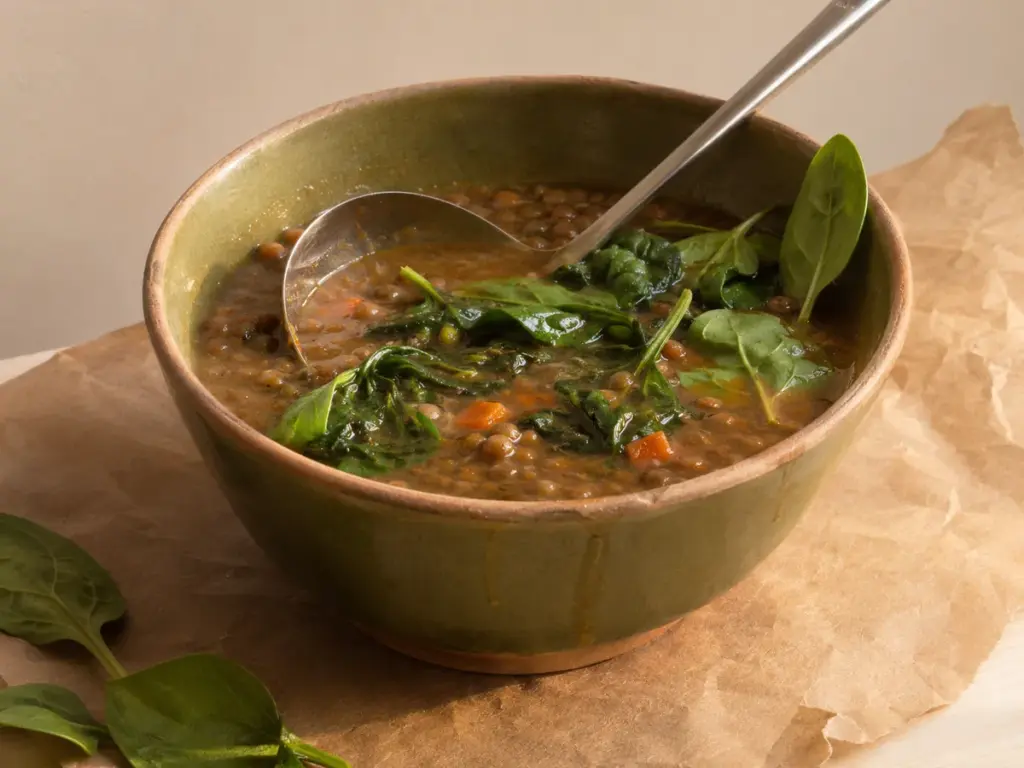
Baby spinach is a mild green that cooks in 1 to 2 minutes (University of Maryland Extension), and UF/IFAS says it can be eaten raw or cooked. It works where the collards cook briefly or go in at the end, and it falls apart in a pot that simmers for 20 minutes or more.
Stir a big handful into hot soup or beans just before serving, and expect a softer bite than collards give. You can also go the other way and use collards in place of spinach in beans, soups and stews.
Do Collard Swaps Change Your Vitamin K Intake?
Can You Use Another Green for New Year’s Collards?
On New Year’s Day, food historian Adrian Miller told NPR, the greens stand for folding money, black-eyed peas for good luck or coins, and pork for good health. He says the greens could be collards or kale, that he cooks mustard and turnip greens, and that some places use cabbage.
Lettuce, spinach, green beans and broccoli are not on his list, and none of the sources used here adds them. Lettuce is a soft green that University of Maryland Extension says is usually eaten raw, and spinach cooks in 1 to 2 minutes, so neither gives you a pot of long-simmered greens. Whether a salad or a side of green beans counts is your family’s choice.
A pot of greens usually sits beside a pot of peas, and the sides for black eyed peas start with a collard dish. If your pot also gets a ham hock for the pork, you can stand in bacon, cubed ham or sausage.
Sources
- Illinois Extension: Preparing Collards
- Illinois Extension: Preparing Chard
- Illinois Extension: Swiss chard, from bitter to better
- Illinois Extension: Preparing Cabbage
- UF/IFAS Gardening Solutions: Greens
- University of Maryland Extension: Cooking with Leafy Greens
- Montana State University Extension: Leafy Greens
- UMass Extension, Produce Spotlight: Kale
- NC State Extension Gardener Plant Toolbox: Chinese Broccoli
- UC Small Farms Network: gailon
- NPR: Adrian Miller on New Year’s foods
- NIH Office of Dietary Supplements: Vitamin K
- USDA FoodData Central, SR Legacy: collards 170406, kale 168421, mustard greens 169256, turnip greens 170061, cabbage 169975, chard 169991, spinach 168462

Food writer at GustoMeadow. Writes ingredient substitutes, food comparisons, taste guides and storage guides for home cooks.
Storage and food-safety numbers follow USDA, FDA and university extension guidance.



