
Good replacements for Oleo include Butter, Cream Cheese, Lard, Olive Oil & Coconut Oil, and Avocado Oil & Avocado Butter.
Butter is the closest match - it has a similar flavor and works at a 1:1 ratio in most recipes.
For cooking, Cream Cheese also works well - adjust the amount to taste since it may be slightly stronger or milder.
It's like the universe is challenging our kitchen savvy. Suddenly, it's game time, and you've got to make a quick switch.
What's a cook to do? Lucky for us, our kitchens are full of stand-ins ready to save the day.
We've been there, making that last-minute grocery store run, only to remember everything except the one thing we went for.
Here's a secret: some of our best meals came from these very moments of
Swap it, mix it, forget the oleo was even a thing.
Ready to turn a kitchen mishap into your next brag-worthy dish?
The 5 Best Substitutes for Oleo
Oleo is a flexible ingredient used in many recipes. However, if you're looking for alternatives to oleo or simply prefer different options, there are several substitutes available.
| Substitute | Key Characteristics | Proper Ratio |
|---|---|---|
| Butter | Rich flavor, creamy texture | Use an equal amount of butter as a substitute for oleo |
| Cream Cheese | Creamy, tangy, and slightly salty | Use an equal amount of cream cheese as a substitute for oleo |
| Lard | Neutral flavor, good for cooking and baking | Use an equal amount of lard as a substitute for oleo |
| Olive Oil & Coconut Oil | Healthy oils, suitable for cooking and spreading | Use an equal amount of olive oil and coconut oil as a substitute |
| Avocado Oil & Avocado Butter | Nutritious options with a rich flavor | Use an equal amount of avocado oil and avocado butter as a substitute |
Here is a closer look at each option:
1 - Butter
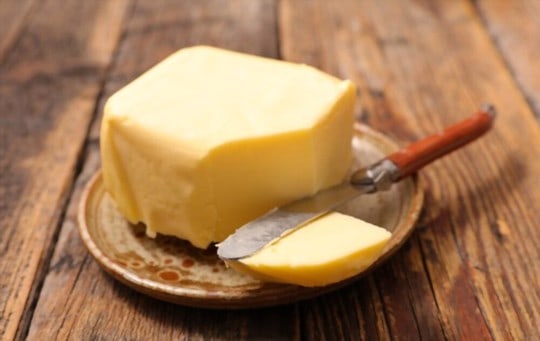
"With enough butter, anything is good" -Julia Child.
Oleo was made as a substitute for butter; if you can't or don't want to use oleo, then butter is the best replacement.
Most recipes will list butter instead of margarine or some other fat, and butter is also more widely available.
Many baked goods rely on butter's flavor; its substitutes may not yield the best results.
You might say that anything oleo can do, butter does better.
Health-wise, butter has high saturated fat and cholesterol content.
Some studies have linked this to an increased risk of heart disease, but this is unproven.
Butter from grass-fed cows contains healthy nutrients such as vitamin K-2 and Omega-3.
Key Characteristics: Butter offers a rich flavor and creamy texture. It can be used as a direct substitute for oleo in most recipes.
Use an equal amount of butter as a substitute to achieve similar taste and texture.
2 - Cream Cheese
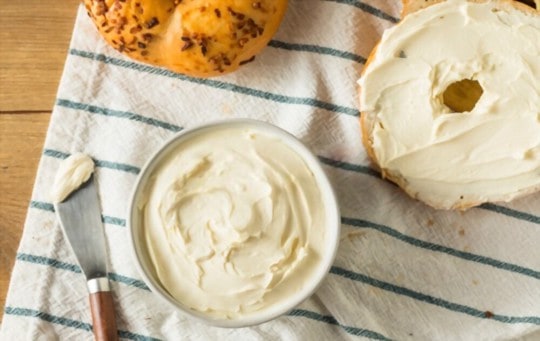
Cream cheese has lower fat content than either butter or margarine, so it is a very healthy alternative as a spread or topping.
It is made from milk and cream, but dairy-free options exist, making it suitable for vegan diets.
For recipes that are not affected by reduced fat, you can use melted cream cheese to replace oleo.
Cream cheese does well as a substitute for butter or oleo in sauces.
For baking, the reduced fat content of cream cheese will affect the recipe.
For best results, you will also need to use oil along with the cream cheese to compensate for this.
Key Characteristics: Cream cheese provides a creamy, tangy, and slightly salty flavor. It works well as a substitute for oleo in spreads, dips, and some baked goods.
Use an equal amount of cream cheese as a substitute, but keep in mind that it may alter the flavor of the dish.
3 - Lard
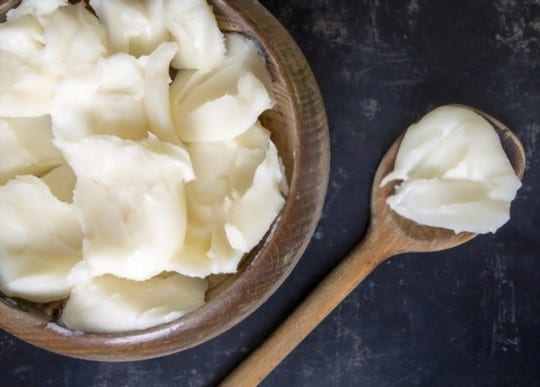
Similar to oleo's origin, lard is made from animal fat, the difference being lard is made from pigs.
It is made by cooking a fatty cut of pork to separate the liquid fat from the solid; that liquid is lard.
It was commonly used in cooking throughout history but was replaced in popularity by butter and vegetable shortening.
Unlike oleomargarine, lard is not a trans fat: which is the most unhealthy kind.
Lard is already used in many cooking recipes, especially for savory dishes.
Many bakers prefer to use lard instead of butter in pie crusts.
Lard has a lower melting point than butter and has a neutral taste; no pork flavor remains.
Key Characteristics: Lard is a rendered pork fat with a neutral flavor. It is an excellent substitute for oleo in cooking and baking, especially in recipes that require a solid fat.
Use an equal amount of lard as a substitute to maintain the desired consistency and texture.
4 - Olive Oil & Coconut Oil
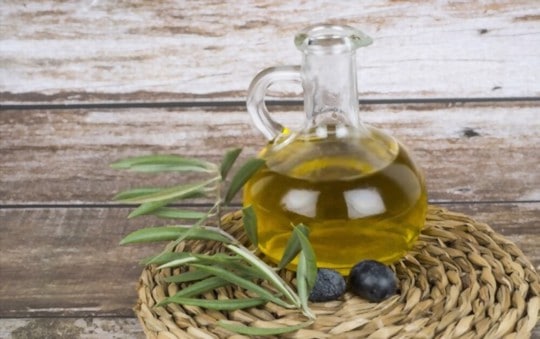
Olive oil is a staple in Mediterranean cooking; Italian dishes are especially famous for their use.
Olive oil has many proven health benefits, such as having anti-inflammatory and anti-bacterial properties.
Coconut oil has been used for thousands of years in Asia, where coconut trees are plentiful.
Coconut oil is increasing in popularity today due to its health benefits and use in beauty care.
When used in baking, olive oil can be used for herb loaves of bread and other savory dishes, as it has a distinct flavor.
Coconut oil is more suited for cakes and other sweet dishes, as it has a more neutral flavor.
Key Characteristics: Olive oil and coconut oil are healthy alternatives to oleo. They can be used interchangeably or combined in equal amounts.
Both oils work well in cooking and spreading. Adjust the ratio based on personal preference and the specific recipe requirements.
5 - Avocado Oil & Avocado Butter
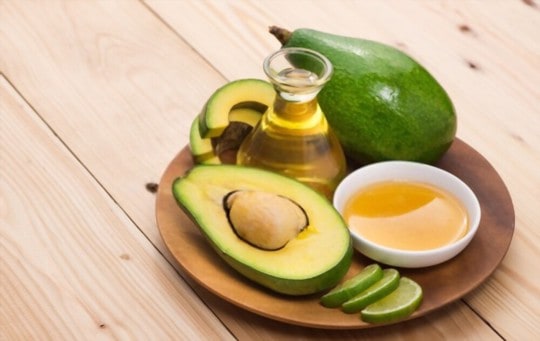
Avocados have a rich, creamy texture and are extraordinarily good for you.
Avocado products have become more popular due to our increasing awareness of nutrition.
Avocado oil is made from the pulp of avocados and has as many health benefits as the fruit.
You can make avocado butter at home with fresh avocados and unsalted butter.
As a spread, avocado butter is delicious and nutritious.
You can easily substitute any oil with avocado oil for cooking.
It's perfect for sautéing, roasting, pan-frying, baking, and barbecuing meats.
You can use it for mayonnaise, salad dressings, or greasing a pan.
Key Characteristics: Avocado oil and avocado butter are nutritious options with a rich flavor. They can be used as substitutes for oleo, offering a creamy texture and a unique taste.
Use an equal amount of avocado oil and avocado butter as a substitute, adjusting the ratio according to the recipe.
Frequently Asked Questions
Butter is the best substitute for Oleo because it shares a similar flavor and texture. Use it at a 1:1 ratio in any recipe that calls for Oleo.
In most cases, yes. Try Butter first since the flavor is closest.
Cream Cheese handles heat and texture differently, so test in small batches.
It can, especially with ingredients that have distinct colors or pigments. The difference is usually minor in mixed dishes but may be more visible in lighter sauces or batters.
How do you adjust seasoning when using a substitute?
Taste as you go.
Substitutes can be saltier, milder, or sweeter than the original.
Add seasoning gradually and adjust at the end rather than matching the original recipe amounts exactly.