
Good replacements for Mushroom Powder include Garlic Powder, Nutritional Yeast, Make Your Own Mushroom Powder, Onion Powder, and Sliced, Dried Mushrooms.
Garlic Powder is the closest match - it has a similar flavor and works at a 1:1 ratio in most recipes.
For cooking, Nutritional Yeast also works well - adjust the amount to taste since it may be slightly stronger or milder.
Mushroom powder might be your go-to for that deep, earthy kick in dishes.
Sometimes, you've gotta switch it up, and that's okay.
Here are the top five stand-ins for mushroom powder.
Finding a substitute isn't just about mimicking flavor.
It's about keeping that umami richness front and center in your meals.
And guess what? We've found some killer alternatives.
These swaps are not only easy to find but also simple to use.
You won't miss a beat in the kitchen. Ready to keep your cooking game strong, even without mushroom powder?
Umami Enhancers Instead of Mushroom Powder
Mushroom powder is a flexible ingredient that adds depth and umami flavor to various dishes.
However, if you run out of mushroom powder or are looking for alternatives, there are several substitutes available - including mushroom stock substitute options for brothy depth.
| Substitute | Key Characteristics | Proper Ratio |
|---|---|---|
| Garlic Powder | Pungent and savory flavor; improves dishes | Use an equal amount of garlic powder as a substitute for mushroom powder |
| Nutritional Yeast | Nutty and cheesy flavor; enhances umami taste | Use an equal amount of nutritional yeast as a substitute for mushroom powder |
| Make Your Own Mushroom Powder | Customizable blend of dried mushrooms; creates a homemade substitute | Use an equal amount of homemade mushroom powder as a substitute for store-bought mushroom powder |
| Onion Powder | Sweet and savory flavor; complements other spices and seasonings | Use an equal amount of onion powder as a substitute for mushroom powder |
| Sliced, Dried Mushrooms | Intense mushroom flavor; can be ground into a powder or rehydrated for texture and taste | Use an equal amount of sliced, dried mushrooms (ground into a powder) as a substitute for mushroom powder |
Here is a closer look at each option:
1 - Garlic Powder
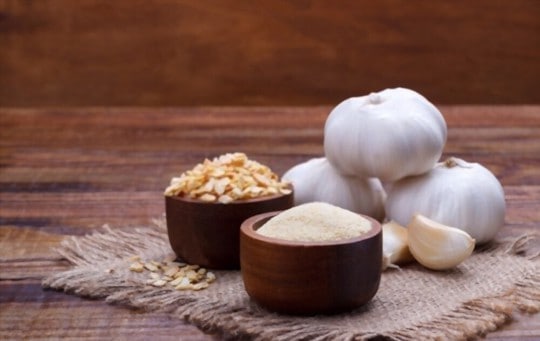
Alongside salt and black pepper, garlic powder is a common seasoning found in almost every kitchen.
In terms of taste, it is slightly acidic with a hint of nuttiness.
In fact, garlic powder is made from dehydrating mashed garlic cloves.
They are then ground into a fine onion-like powder instead of the granular form.
In terms of taste, it has a slightly more bitter taste than fresh garlic cloves.
Compared to its fresh counterpart, garlic powder is not as strong or pungent - for recipes that call for a paste, see ginger garlic paste alternatives as pantry-friendly swaps.
This can make it an ideal substitute for those who want a milder taste compared to other options on this list.
- Key Characteristics: Garlic powder has a pungent and savory flavor that can add depth to dishes. Although different from mushroom powder, it can improve the overall taste profile.
- Proper Ratio: Use an equal amount of garlic powder as a substitute for mushroom powder. Adjust the quantity based on your recipe requirements and desired level of garlic flavor.
2 - Nutritional Yeast
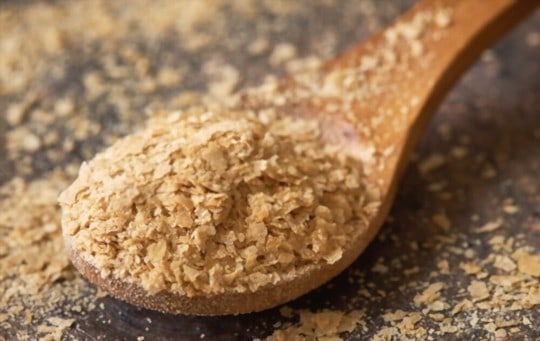
Nutritional yeast has a very distinctive taste.
This is often compared to cheese or even fish, which can be rather unpleasant for some people.
The yeast is naturally low in fat and sodium.
It also has high protein content and other health benefits, such as B-complex vitamins and folic acid.
Nutritional yeast is slightly nutty with a rather sweet aftertaste in terms of taste.
In fact, it often has an added hint of lemon juice to enhance its flavor.
While nutritional yeast is typically used as a vegan or vegetarian substitute for cheese, it can be rather expensive - for baking needs, look to yeast replacement options for baking.
If you are looking for a more affordable option, it's best to stick with either garlic powder or onion powder.
- Key Characteristics: Nutritional yeast has a nutty and cheesy flavor that enhances the umami taste in dishes. While not identical to mushroom powder, it can contribute to a rich and savory profile.
- Proper Ratio: Use an equal amount of nutritional yeast as a substitute for mushroom powder. Adjust the quantity based on your recipe requirements and desired level of umami flavor.
3 - Make Your Own Mushroom Powder
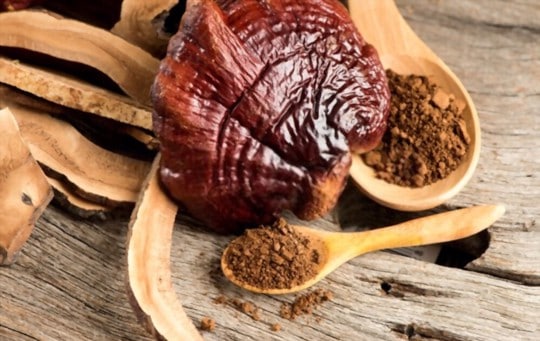
The great thing about mushroom powder is that it is very easy to make yourself.
To do this, simply follow the steps below:
- Use a food dehydrator or oven to dry your mushrooms at low temperatures for five hours.
- Once they are dried out, blend them into small pieces in your blender or food processor until you reach your desired consistency.
- Store your mushroom powder in an airtight container.
The preparation time is the only downside to using this method, but it certainly beats spending money on commercial products or even buying whole mushrooms that will be used for just one recipe - and homemade powder can replace canned options in cream of mushroom soup substitute ideas for casseroles.
- Key Characteristics: Making your own mushroom powder allows you to customize the blend using dried mushrooms of your choice. This homemade substitute can provide a concentrated mushroom flavor.
- Proper Ratio: Use an equal amount of homemade mushroom powder as a substitute for store-bought mushroom powder. Adjust the quantity based on the type of mushrooms used and your recipe requirements.
4 - Onion Powder
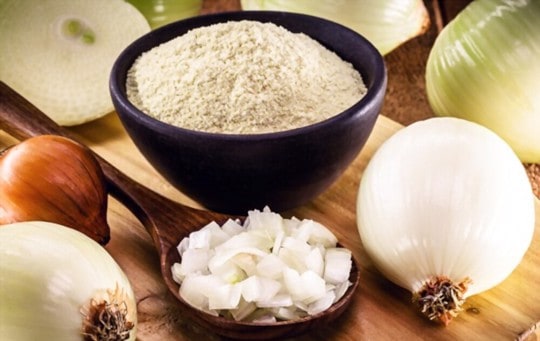
Onion powder is often used in dishes that already involve some onion.
This works particularly well in soups and sauces, where the onions are gradually cooked in the same dish.
Another benefit of using onion powder instead of fresh onion is that it won't change the appearance of your food.
It is perfect for when you want to preserve the 'visual appeal of a meal.
In terms of taste, onion powder is slightly sweet and rather mild.
It has a more 'rounded' flavor with a less acidic aftertaste than garlic powder.
This means that it isn't as good at improving other flavors in your dish.
While you can buy both mushroom and onion powder, they are also fairly straightforward to make yourself - for fresh onion swaps in recipes, try Spanish onion swap ideas for recipes.
Simply dehydrate your onions in the oven or use a food dehydrator until they are dried out.
Then blend them into small pieces using your blender or food processor before storing them in an airtight container.
- Key Characteristics: Onion powder has a sweet and savory flavor that complements other spices and seasonings. While different from mushroom powder, it can add depth to your dishes.
- Proper Ratio: Use an equal amount of onion powder as a substitute for mushroom powder. Adjust the quantity based on your recipe requirements and desired level of onion flavor.
5 - Sliced, Dried Mushrooms
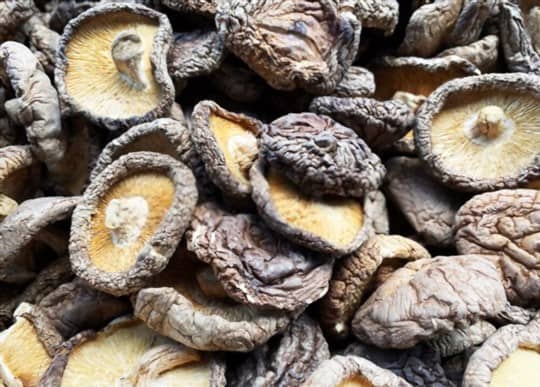
While dried mushrooms are often used in cooking, they can also be successfully used in place of mushroom powder.
The best part is that they do not need to be dehydrated; simply slice the mushrooms thin and let them dry naturally for a few days before using them.
You may find that some pieces will stick together after drying.
This is particularly the case with the white variety, which is more likely to stick together than other types of mushrooms.
One way around this issue is to sprinkle them with some salt before setting them out to dry.
The biggest downside to using dried mushrooms for mushroom powder is that it takes a while for them to dry out completely.
If you're looking for an alternative that will work in a pinch, it's recommended that you either use onion powder or nutritional yeast.
Delicious Shifts: protein powder substitute ideas for smoothies can help round out pantry swaps. ancho chili powder swap options for mellow heat works when a smoky, mild chili is needed.
- Key Characteristics: Sliced, dried mushrooms offer an intense mushroom flavor that can be ground into a powder or rehydrated for texture and taste. This option provides a direct mushroom substitute.
- Proper Ratio: Use an equal amount of sliced, dried mushrooms (ground into a powder) as a substitute for mushroom powder. Adjust the quantity based on your recipe requirements and desired level of mushroom intensity.
Frequently Asked Questions
Garlic Powder is the best substitute for Mushroom Powder because it shares a similar flavor and texture. Use it at a 1:1 ratio in any recipe that calls for Mushroom Powder.
In most cases, yes. Try Garlic Powder first since the flavor is closest.
Nutritional Yeast handles heat and texture differently, so test in small batches.
It can, especially with ingredients that have distinct colors or pigments. The difference is usually minor in mixed dishes but may be more visible in lighter sauces or batters.
How do you adjust seasoning when using a substitute?
Taste as you go.
Substitutes can be saltier, milder, or sweeter than the original.
Add seasoning gradually and adjust at the end rather than matching the original recipe amounts exactly.