
The best substitutes for Ground Almond are Ground Rice, Breadcrumbs, Almond Flour, Coconut Flour, and Ground Nuts.
Ground Rice is the closest match - it has a similar flavor and works at a 1:1 ratio in most recipes.
For cooking, Breadcrumbs also works well - adjust the amount to taste since it may be slightly stronger or milder.
Running low on ground almond isn't the end of your baking adventure.
No need to drop everything and run to the store.
From oat flour to ground sunflower seeds, each option adds its unique twist to recipes.
These alternatives not only save the day but might also introduce you to new favorite ingredients.
Our goal? To keep your baking spree uninterrupted and as delicious as planned.
We believe in making do with what's in the pantry, turning potential baking fails into wins.
And trust us, these substitutes are solid options that you'll want to use again and again.
5 Best Options to Replace Ground Almonds
Ground almond, also known as almond meal or almond flour, is a flexible ingredient used in various baking recipes.
However, if you're looking for substitutes for ground almond due to allergies, dietary restrictions, or simply because you don't have it on hand, there are several alternatives available.
| Substitute | Key Characteristics | Proper Ratio |
|---|---|---|
| Ground Rice | Neutral taste and fine texture; suitable for gluten-free diets | Use an equal amount of ground rice as a substitute for ground almond |
| Breadcrumbs | Absorbent with a slightly different texture and flavor compared to ground almond | Use an equal amount of breadcrumbs as a substitute for ground almond |
| Almond Flour | Made from blanched almonds, offers a similar nutty flavor and texture to ground almond | Use an equal amount of almond flour as a substitute for ground almond |
| Coconut Flour | Made from dried coconut meat; provides a distinct coconut flavor and absorbs more liquid in recipes | Use approximately ⅓ to ¼ cup of coconut flour per 1 cup of ground almond |
| Ground Nuts | Can use other ground nuts like hazelnuts or cashews; provides a similar texture and flavor to almonds | Use an equal amount of ground nuts (such as hazelnuts or cashews) as a substitute for ground almond |
Now let's look into each substitute in more detail:
1 - Ground Rice
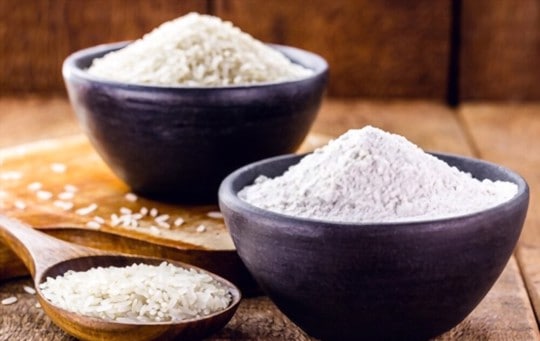
Ground rice is an excellent substitute for ground almonds and can be found at most grocery stores.
Ground rice is made from white or brown rice that has been ground into a fine meal, making it perfect for baking.
Ground rice can be used in many recipes interchangeably with ground almonds, but you should consider the texture difference between the two ingredients while substituting.
Other substitutes such as cornmeal, quinoa flour, and millet flour can replace ground almonds.
However, these ingredients are not always easy to find in grocery stores.
- Key Characteristics: Ground rice has a neutral taste and fine texture. It can be used as a suitable gluten-free alternative to ground almond in recipes.
- Proper Ratio: Use an equal amount of ground rice as a substitute for ground almond. Adjust the quantity based on your recipe requirements and desired texture.
2 - Breadcrumbs

Another option is to use breadcrumbs as a substitute for ground almonds.
While this ingredient is primarily used in savory dishes, it can be added to desserts and other baked goods with great success.
Breadcrumbs can be made from many different sources, including wheat flour, rice flour, and cornmeal.
Breadcrumbs are generally used as a crunchy coating outside fried food or in recipes requiring breading, such as meatballs or crispy vegetables.
The texture of breadcrumbs makes it a good substitute for ground almonds.
However, you should be aware that adding breadcrumbs to your recipes will add more carbs and less protein.
- Key Characteristics: Breadcrumbs provide an absorbent quality and have a slightly different texture and flavor compared to ground almond. They can be used as a substitute in certain recipes.
- Proper Ratio: Use an equal amount of breadcrumbs as a substitute for ground almond. Adjust the quantity based on your recipe requirements and desired texture.
3 - Almond Flour
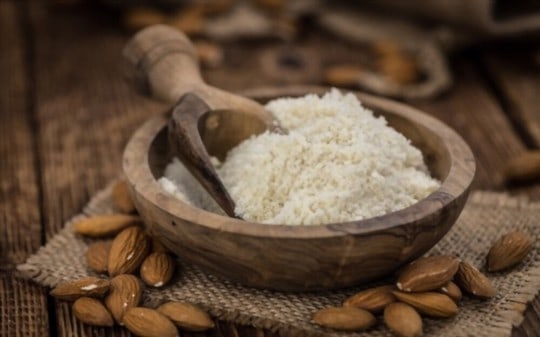
Almond flour is made from ground almonds with their skin removed.
The most common way to make almond flour is through dry roasting.
Dry-roasted almond flour is great for baking and everyday use, but it does require soaking before eating.
This flour is great because you can make almond flour to remove the skin or buy it already prepared.
You can use almond flour in almost any recipe that you would use regular flours for.
A drawback of almond flour is that it is very expensive.
Still, if an unlimited budget isn't a concern, it's definitely a good alternative in recipes requiring ground almond.
- Key Characteristics: Almond flour is made from blanched almonds and offers a similar nutty flavor and texture to ground almond. It's an excellent substitute in most recipes.
- Proper Ratio: Use an equal amount of almond flour as a substitute for ground almond. Adjust the quantity based on your recipe requirements and desired texture.
4 - Coconut Flour
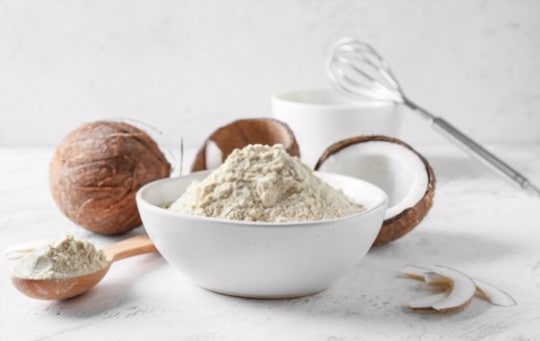
Coconut flour is a gluten-free and grain-free food made from finely ground coconut.
It can be a great substitute for the almond flour because it adds a delicious flavor to your baked goods.
In addition, this wheat-free option is rich in fiber and protein.
Coconut flour is denser than almond flour and absorbs liquids very well.
This makes it more difficult to use coconut flour to substitute for ground almonds because you don't want your recipes to end up dry or crumbly.
To add moisture back into the recipe, add more eggs or oil.
The best thing about the recipes made with coconut flour is that they tend to stay moist for longer than those made with regular flours.
- Key Characteristics: Coconut flour is made from dried coconut meat and provides a distinct coconut flavor. It absorbs more liquid in recipes, so it requires different ratios compared to ground almond.
- Proper Ratio: Use approximately ⅓ to ¼ cup of coconut flour per 1 cup of ground almond. Adjust the quantity based on your recipe requirements and desired texture. Additional liquid may be necessary when using coconut flour.
5 - Ground Nuts

Most recipes can use ground nuts like hazelnuts, walnuts, pecans, and cashews as substitutes for ground almonds.
Adding these ingredients adds great flavor and texture to your baked goods.
Groundnuts are a good substitute for ground almonds because they tend to be healthier and more flavorful than other substitutes.
However, some of the recipes that use ground almonds also require a slightly bitter taste from the nut's skin.
In this case, it is best not to use any of these as a replacement.
Besides their great taste, groundnuts are also a good source of protein and fiber.
They can be added to breakfasts such as oatmeal or baked goods for some extra crunch and flavor.
- Key Characteristics: Other ground nuts like hazelnuts or cashews can be used as substitutes for ground almonds. They provide a similar texture and flavor to almonds.
- Proper Ratio: Use an equal amount of ground nuts (such as hazelnuts or cashews) as a substitute for ground almond. Adjust the quantity based on your recipe requirements and desired texture.
Frequently Asked Questions
Ground Rice is the best substitute for Ground Almond because it shares a similar flavor and texture. Use it at a 1:1 ratio in any recipe that calls for Ground Almond.
Yes. Ground Rice and Breadcrumbs work as direct replacements in most recipes.
Use the same quantity and adjust seasoning after tasting.
Usually not, but check moisture content. Wetter substitutes may need a slightly higher temperature or longer cook time to evaporate excess liquid and achieve the right texture.
Is the substitute appropriate for all dietary restrictions?
Check labels carefully.
Many substitutes introduce allergens or ingredients that conflict with specific diets - dairy, gluten, soy, or nuts may appear in processed alternatives.