
Japanese food enthusiasts might know what mochi is.
You're probably lurking on this page to find out what does mochi taste like.
Mochi is a popular Japanese dish made of pounded rice.
It's often considered the jack of all trades because of its multipurpose applications.
You may have it as it is or use it in soups.
It's a staple Japanese dish and is mainly prepared during prominent festivals like the Japanese New Year.
This post will reveal its mochi's taste profile, texture, variances, and other essential factors.
What is Mochi?
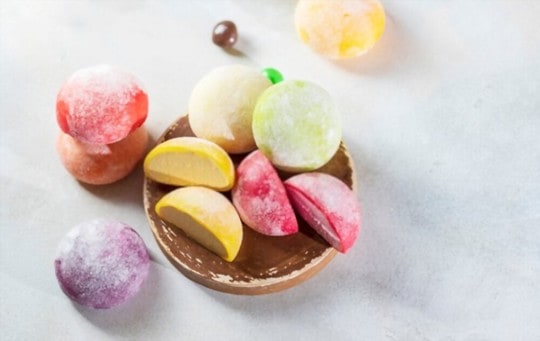
Mochi covers all aspects of Japanese rice cakes.
It's an umbrella term covering a wide range of rice cakes.
Preparing and consumption of mochi have deep cultural significance in Japan and was considered a sacred food in ancient times.
The rice cakes were consumed for fortune and good luck.
The rice cake is made from glutinous rice called mochigome, where it's steamed and pounded to make it into a paste or dough and is mainly found in an oval shape.
It's available in different varieties of flavors - try taro mochi taste guide for a unique starchy-sweet example.
Here two ways of the pounding process are involved:
- Raw mochi (Kine-machi), where the rice is pounded with a mortar.
- Cooked or sticky mochi (Senda-Goma), where grains are softened using boiled water before the pounding process starts. .
Mochi is typically found in white but is also available in green, purple, and pink.
Variants of mochi are available, and taste may likely vary based on the types.
Some mochi desserts pair well with citrus notes - lemon dessert pairings that brighten offers ideas for balancing sweet rice cakes with bright acidity.
What Does Mochi Taste Like?

Since mochi is available in different variants, the taste might vary.
The plain ones have a similar taste profile to marshmallows.
Flavored mochis are mostly made of herbs, sweeteners, green tea, and more.
It's also filled with a variety of fillings like bean paste, which is quite popular among the masses.
Overall, it has a neutral taste, and flavors likely to vary based on the ingredients.
The texture of this rice cake is soft, stretchy, chewy, and sticky.
Let's look into some of the common types of mochi and their taste profile:
- Sakura mochi: This type of rice cake is made during spring in Japan to celebrate cherry blossoms. It's pink in color and filled with sweet red beans (Anko).
- Daifuku mochi: It's usually round with fillings inside, mostly Japanese sweet potato or red bean paste. .
- Warabi mochi: This mochi type is widely consumed during summer. It's cool and has a chewy and soft texture. Unlike other mochis, which are usually made of rice, this one is made from the roots of the bracken fern. .
- Kuzumochi: It's a sweet rice cake popularly eaten during summer festivals in Japan. It's not gooey or sticky like other rice cakes and is generally filled with litchi. Other flavors are also available, like sour mandarin and strawberry. .
- Ohagi/Botamochi: This rice cake is generally consumed during the Japanese New year and other prominent holidays. It's made into an octopus shape and is covered with honey. Ohagi has a sweet taste, and you may also have it on regular days. .
- Kusamochi: It's known for its unique appearance, where it's ball-shaped and twisted like doughnuts. .
How to Cook and Serve Mochi?

Preparing mochi is quite simple if you have the required ingredients.
Only four ingredients are required to make this rice cake: sugar, salt, glutinous rice flour, and water.
Here are simple steps to make mochi at home:
- Take a large bowl to mix rice flour with salt and sugar.
- Pour water into the bowl and mix the ingredients until a dough is formed.
- Put the sticky dough in a microwave bowl and cover it with plastic wrap. .
- Place it in the microwave on high heat for four minutes. Take off the plastic wrap and let it cool. You may cut and serve.
- Dusting the rice cakes with potato starch would be better to prevent sticking. .
- You may also add fillings, but they should be done before dusting. .
The process is quite simple, and you may improvise it by adding food coloring to make it look attractive.
You may serve it with ice cream or pudding.
It may also be used as desserts or put in sweet soups.
Mochi is a delight to have and is nutrient-rich.
However, it's sweet, which might not be suitable for your health if consumed excessively.
It may also increase your blood sugar and other diseases.
Serve mochi alongside quick vegetable sides - veggie sides under 12 minutes suggests fast, fresh accompaniments that keep the meal balanced.
Texture and Taste of Mochi
Now that you know what mochi tastes and how to make it, perhaps you should prepare one.
Get all the required ingredients from your local grocery store or visit an Asian market.
If you can't find the ingredients, you may get readymade or premade ones from the stores.
Mochi is a healthy food item, yet excess eating may lead to multiple health implications.
We recommend having it sporadically, which is better and safe for your health.
Frequently Asked Questions
You're probably lurking on this page to find out what does mochi taste like. This post will reveal its mochi's taste profile, texture, variances, and other essential factors.
It's available in different varieties of flavors.
Several foods share flavor notes with Mochi. Tasting similar items side by side is the easiest way to map out what you enjoy and find new favorites.
Can you adjust the intensity of the flavor?
Yes.
Pairing it with acidic, sweet, or fatty components shifts the perceived intensity.
A squeeze of citrus brightens mild flavors, while fats like butter or oil mellow sharper ones.
Avoid pairings that clash with its dominant flavor note. Competing intensities - very sweet with very sour, or heavy with delicate - tend to obscure rather than go with the taste.
Mochi vs mochi ice cream differences are useful when choosing between textures. mochi vs mochi ice cream differences mochi shelf life details explain storage and freshness considerations for either option.