
If you are at the supermarket and stumble upon a taro shelf, grab a few.
Take it home and look up a recipe on the internet for preparing a taro mochi.
This dish is a variant of the famous Japanese rice cookie.
Traditional mochi uses mochigome, a type of rice.
But if you want to spice things up, here is your chance.
You can use taro to make a delicious mochi that is unique in taste.
But most people have never tasted a mochi, let alone a taro mochi.
So, what does taro mochi taste like? Before you prepare it, let us learn what its taste is.
What is Taro Mochi?
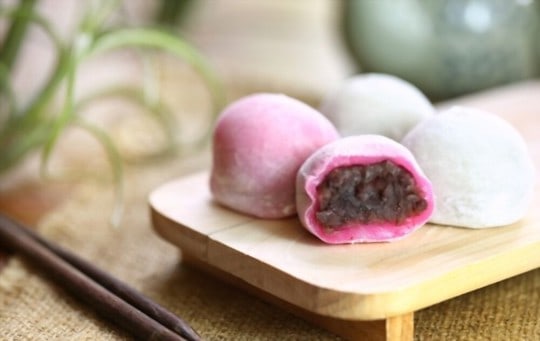
Taro mochi is a type of mochi that uses taro as the primary ingredient.
Taro is a root that belongs to the Araceae family of vegetables - learn more about its flavor in taro flavor profile guide.
In most mochi recipes, you will find glutinous rice or mochigome as the main ingredient.
This rice is crushed to a paste and shaped like biscuits.
Taro is added to the recipe to give it a different flavor - compare how that flavor comes through in drinks like boba with taro boba tea taste notes.
Traditional mochi is plain and does not feature any filling.
But taro mochi is one variety that features taro as a filling.
This gives the otherwise bland mochi a sweet taste.
Mochi has been around for over two thousand years now.
They play a big role in cultural and religious activities.
Therefore, they are considered a sacred food and a symbol of health and good fortune.
Taro mochi is just one of many mochi recipes.
You will find several mochi varieties that use other ingredients like matcha, fruits, chocolate, etc.
What Does Taro Mochi Taste Like?
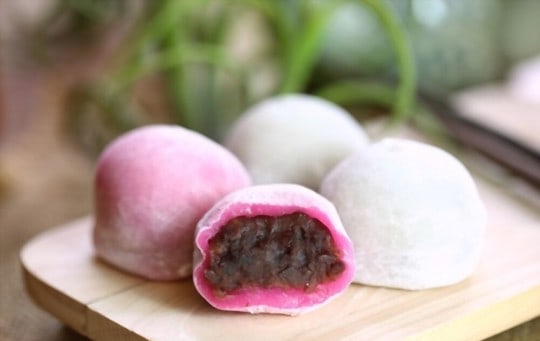
Mochi has a mildly sweet and chewy taste.
When you add taro as a filling, it enhances the flavor to another level.
The overall taste of taro mochi is nutty, chewy, and sweet, like a sweet potato.
You can also get some earthy hints of the taro as it is a root plant.
It is very fibrous and has a soft texture which adds to the overall taste.
You can also taste the starchiness because of the taro, but not as much.
The taro is already processed before you add it to the mochi.
Taro usually has a strong taste compared to other root vegetables.
But with a taro mochi, the flavors are toned down.
They taste mild and almost have a vanilla-like flavor at times.
Taro mochi tastes like nothing else.
It combines two separate dishes to give you a unique blend.
But you can also find a bit of similarity in taste with sweet potatoes or popcorn.
Preparing mochi with taro is a healthy option as well.
Taro is rich in fiber, potassium, and vitamins E and B6.
They can also aid in controlling blood sugar and reduce the risk of heart-related problems.
On the other hand, mochi has low cholesterol and saturated fats.
They are a rich source of calcium, iron, and vitamins.
Combining these two gives you a pop of multiple benefits.
All in all, taro mochi tastes exactly how you prepare it.
The flavors are not overpowering if you use lesser ingredients.
But you can always experiment to create a unique flavor.
How to Cook and Serve Taro Mochi?
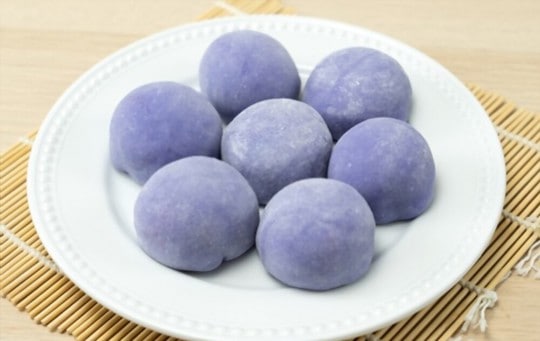
Taro mochi does take some time to prepare.
But it is worth the time and effort.
Although it takes time to prepare, you only need a few ingredients.
The most essential ones are the mochi flour and taro.
Michiko or glutinous rice flour is your best option for the dough.
This flour is specifically made for preparing mochis.
You also need taro powder and taro paste to fill the inside.
Other essential ingredients include milk and icing sugar.
Mix all these ingredients except the taro paste in a bowl to form a soft dough.
Now, put it in the microwave until they are cooked.
Make small balls from the dough, flatten them, and fill them with taro paste.
Put them in the fridge for a while before eating.
Taro mochi tastes delicious by itself.
But you can also serve it with nuts or a fruit salad.
You can also find taro mochis online in packets.
They are an excellent option if you want a ready-to-eat option and do not want to waste time preparing.
Taro mochi and other mochi types are a mainstay during the new year celebrations in Japan.
Nowadays, you can find it everywhere.
But traditional mochi is the best.
Quick vegetable sides pair well with taro mochi; try 22 veggie sides under 12 minutes for fast accompaniments.
Flavor Profile of Taro Mochi
Combining two different flavors always gives you a unique taste.
This is the case with taro mochi.
The starchiness and sticky rice combined with mildly-sweet taro essences are to die for.
You also get the pleasing nutty, and earthy hints from the taro.
There are several ways to prepare mochi. You have fruity flavors, matcha, beans, etc.
And they all taste delicious. But if you want a different approach, give taro mochi a try.
They are a perfect lunch dish.
Ube and taro are often compared for texture and sweetness. Ube vs Taro: flavor and texture differences highlights key contrasts. Malanga vs Taro: similar root comparisons explains how malanga stacks up against taro.
Frequently Asked Questions
You can use taro to make a delicious mochi that is unique in taste. But most people have never tasted a mochi, let alone a taro mochi.
So, what does taro mochi taste like? Try it in a few different preparations to find which version you prefer.
Does Taro Mochi taste different when fresh versus stored?
Freshness matters.
Taro Mochi tends to have a brighter, more pronounced taste when fresh.
Stored or aged versions may develop mellower or slightly different flavor notes.
Significantly. Younger or less ripe versions are often sharper, more astringent, or more bitter.
As it matures, flavors typically mellow and deepen into something more complex and approachable.
Texture and taste are inseparable. A pleasant texture encourages slower eating and better flavor perception.
Off-putting textures - too mushy, too fibrous, or unexpectedly gritty - can make even good flavors less enjoyable.