
If you've never had taro before, you're in for a treat.
Taro is a starch obtained from the root of a tropical plant and is one of the most common roots eaten in the world.
Bland, at first glance, taro packs a punch when it comes to flavor.
Taro can be cooked in many ways, but our favorite way to prepare it is as a side dish with pork or chicken.
It's also great as a main dish served with your favorite sauce or gravy.
So what are you waiting for? Try taro for yourself and see how delicious it really is.
What's Taro? Origin and Characteristics
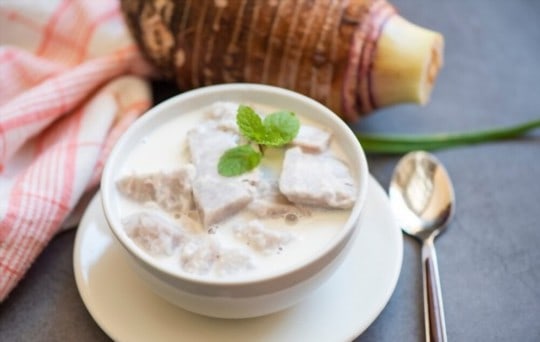
Taro is a starchy vegetable that is often used in Asian cuisine.
The root is native to Southeast Asia and India, but it is now grown in many tropical regions around the world.
There are many different varieties of taro, but the two most common are Chinese and Japanese taro.
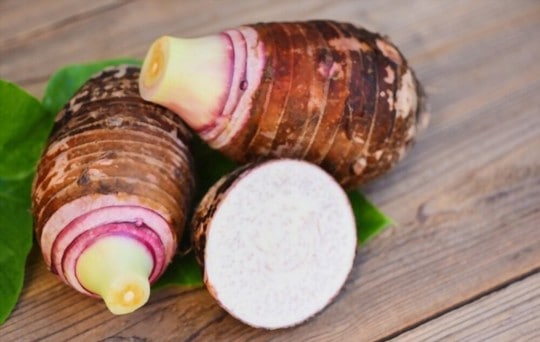
Chinese taro, also known as Malanga, has white flesh and a slightly purple hue.
It is the sweeter of the two varieties and is often used in desserts.
On the other hand, Japanese taro has a light purple flesh and an earthy flavor.
Taro's appearance may be unappealing, but don't let that deter you from trying this delicious and healthy vegetable.
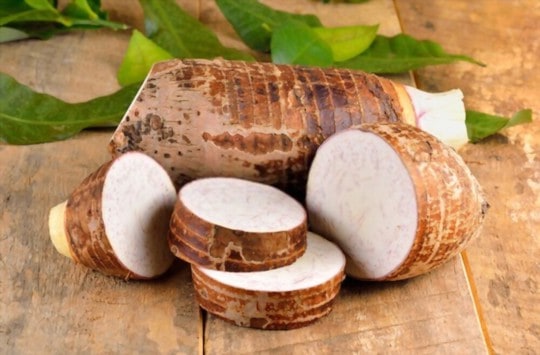
Taro is a starchy vegetable with white or light purple flesh and brown, rough skin.
It is a popular ingredient in Hawaiian cuisine and is often used to make poi, a traditional dish made from mashed taro root.
Taro is also used to make chips, flour, and even ice cream.
What Does Taro Taste Like? Does Taro Taste Good?
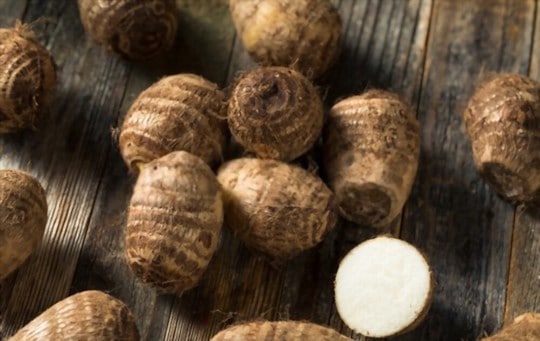
Taro is a starchy root vegetable that is usually eaten cooked.
Taro has a slightly sweet and nutty aroma - see taro boba tea tasting notes for sipping insights.
When cooked, the vegetable emits a warm and earthy scent.
Especially when roasted, taro root has a toasty fragrance.
The taste and texture of taro can vary depending on how it is cooked.
When boiled, taro has a soft and mushy texture with a slightly sweet flavor.
When roasted, taro becomes crispy on the outside and fluffy on the inside with a nutty flavor.
Taro can also be mashed or made into chips.
The taste of taro is often compared to other starchy vegetables like potatoes and yams.
So if you like the taste of those vegetables, chances are you will also enjoy taro.
What are The Benefits of Eating Taro?
There are many benefits to eating taro. For one, taro is a good source of fiber.
It also contains vitamins and minerals that are essential for our health.
Also, taro has a low glycemic index, so it won't cause spikes in blood sugar levels.
Taro is also a good source of antioxidants.
These nutrients help protect our cells from damage and may even help to prevent some chronic diseases.
Also, taro is a good source of potassium, which is essential for maintaining healthy blood pressure levels.
So, if you're looking for nutritious and tasty food to add to your diet, consider taro.
Taro's mild sweetness can complement citrus desserts; what goes with lemon in desserts suggests compatible flavor pairings.
How Can You Cook and Use Taro?
There are many ways to cook and use taro. Taro can be boiled, steamed, baked, or fried.
It can also be mashed or pureed and used in soups or stews.
Also, taro leaves can be cooked and eaten as greens.
When cooked, it has a similar consistency to potatoes.
You can add taro to soups and stews or steam it and serve it with a savory sauce - try beer can chicken side ideas for pairing.
- Boiling and Steaming: Taro can be boiled or steamed whole, sliced, or diced. Boiling requires about 10 minutes, while steaming needs around 20 minutes. You can add taro to soups and stews or steam it and serve it with a savory sauce.
- Roasting, Baking: Taro can also be roasted or baked. Sliced taro takes around 30 minutes to roast, while diced taro only needs 20 minutes. Baking taro is similar to baking potatoes. You can bake whole, sliced, or diced taro. Serve roasted taro with a dipping sauce or as a side dish.
- Frying, Stir-frying: Taro can be fried or stir-fried. Sliced taro takes around 2 minutes to fry, while diced taro only needs 1 minute. Stir-frying is similar to frying but with less oil. You can stir-fry whole, sliced, or diced taro. Serve fried or stir-fried taro with a dipping sauce or as a side dish.
- Making Desserts: Taro can also be used in desserts. Taro pudding is a popular dessert made with boiled taro, milk, sugar, and eggs. Tapioca pearls can also be made from taro starch. Serve taro pudding with a dusting of cinnamon or tapioca pearls in a sweet soup.
How to Choose Taro?

When choosing taro, there are a few key features to look for to get the best results.
The first is to ensure that the taro is a deep purple.
This indicates that it is ripe and will have the best flavor.
The next thing to look for is that the taro is firm to the touch.
Avoid taro that is mushy or has any brown spots.
These indicate that the taro is old and will not taste as good.
Finally, smell the taro before purchasing it. It should have a mild, earthy aroma.
If it smells sour or unpleasant, it is not fresh and should be avoided.
Following these simple tips, you can be sure to choose delicious and fresh taro that will make a good addition to any dish.
Taro Flavor and Preparation Tips
Taro is a versatile root vegetable that can be used in various dishes.
It has a mild, nutty flavor and a firm texture.
When cooked, taro can be boiled, roasted, baked, fried, or stir-fried.
It can also be used in desserts. Taro is a delicious and healthy addition to any meal.
When choosing taro, look for roots that are firm, heavy, and free of blemishes.
Avoid roots that are soft, spongy, or have wrinkled skin.
Ube contrasts with taro in flavor and use - ube vs taro difference guide. Malanga also offers a different texture and starch profile - malanga vs taro comparison guide.
Frequently Asked Questions
Bland, at first glance, taro packs a punch when it comes to flavor. It is the sweeter of the two varieties and is often used in desserts.
On the other hand, Japanese taro has a light purple flesh and an earthy flavor.
Freshness matters. Taro tends to have a brighter, more pronounced taste when fresh.
Stored or aged versions may develop mellower or slightly different flavor notes.
Significantly. Younger or less ripe versions are often sharper, more astringent, or more bitter.
As it matures, flavors typically mellow and deepen into something more complex and approachable.
Texture and taste are inseparable. A pleasant texture encourages slower eating and better flavor perception.
Off-putting textures - too mushy, too fibrous, or unexpectedly gritty - can make even good flavors less enjoyable.