
The best substitutes for Red Onions are Onion Powder, White Onions, Scallions/Green Onions, Chives, and Leeks.
Onion Powder is the closest match - it has a similar flavor and works at a 1:1 ratio in most recipes.
For cooking, White Onions also works well - adjust the amount to taste since it may be slightly stronger or milder.
We've been there too. It's frustrating, right?
Our list isn't just about filling a gap; it's about improving your meal. Each substitute brings its own unique flair to the table.
We dove deep to find options that aren't just second best-they could even become your new go-to. And we promise, there's no need to dash to some far-off specialty store; these alternatives are likely already in your pantry or a quick stop away at your local grocery.
Ready to turn a kitchen mishap into a culinary win? Let's dig in and discover these solid options together.
5 Best Onion Alternatives for Red Onions
Red onions are known for their bright color and mild, sweet flavor.
However, if you don't have red onions on hand or simply prefer an alternative, there are several substitutes available that can provide a similar taste and texture.
| Substitute | Key Characteristics | Proper Ratio |
|---|---|---|
| Onion Powder | Dehydrated onion with concentrated flavor | Use 1 tablespoon of onion powder in place of ½ cup of diced red onions |
| White Onions | Mild and slightly sweet flavor | Use an equal amount of white onions as a substitute for red onions |
| Scallions/Green Onions | Mild onion flavor with a hint of freshness | Use an equal amount of scallions/green onions as a substitute for red onions |
| Chives | Mild and delicate onion flavor | Use an equal amount of chives as a substitute for red onions |
| Leeks | Mild and slightly sweet onion-like flavor | Use an equal amount of leeks as a substitute for red onions |
Here is a closer look at each option:
1 - Onion Powder
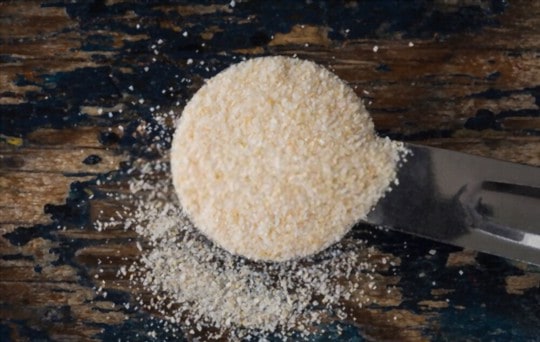
Here's an ingredient that you may already have in your kitchen.
Onion powder is simply onions that have been dried and ground up.
It provides the same taste as the real thing if you are using it in a recipe that calls for finely chopped onion.
Fresh onions have a water content of about 89 percent.
This liquid is released when the onions are cooked; you can notice this especially when you fry or sauté them.
Onion powder does not have this water, so you will need to keep that in mind when using this as a substitute.
Also, note that onion powder will not give the crunch and thickness that fresh red onion will.
- Key Characteristics: Onion powder is made from dehydrated onions, resulting in a concentrated flavor. It offers the distinctive taste of onions in a powdered form.
- To substitute red onions with onion powder, use 1 tablespoon of onion powder in place of ½ cup of diced red onions. Adjust the quantity based on personal preference and the specific recipe you are preparing.
2 - White Onions
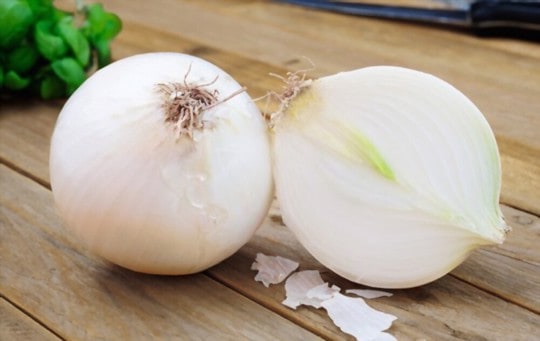
If you find that red onions have too strong a taste for the food you are preparing, try white onions instead.
Red onions have a sharp bite and a pronounced flavor that is hard to mistake.
White onions have a similar flavor, only milder.
White onions have less crunch to their texture, feeling a little more papery.
Their taste is not as pronounced but is slightly sour or bitter.
They are not as familiar worldwide as red onions, but you should have no problem finding them.
When substituting white onions for red onions, use the same measurements.
- Key Characteristics: White onions have a milder and slightly sweeter flavor compared to red onions. They can be used as a direct substitute for red onions in many recipes.
- Use an equal amount of white onions as a substitute for red onions. Keep in mind that white onions may have a slightly different taste, but they will still provide a pleasant onion flavor to your dishes.
3 - Scallions/Green Onions
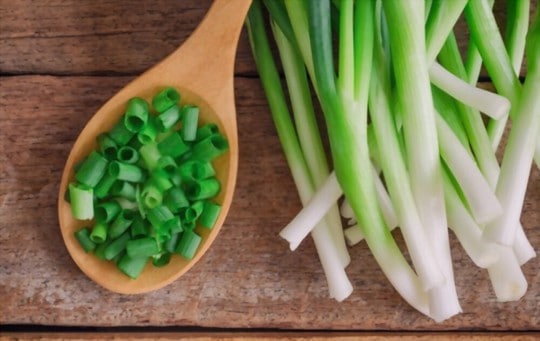
This plant is a close relative of garlic and shallot.
Being an onion itself, it should serve the same role as red onions do in most recipes.
Scallions are much smaller than regular onions because their bulbs do not fully develop.
You can use both the green leaf of the scallion and the smaller white bulb.
The green part has a very mild taste and is perfect for salads and garnishing.
The bulb will taste slightly acidic, but it is not as strong as red onions.
You can eat scallions raw or cooked, but because the leaf and bulb taste somewhat different, you may want to use them for other dishes.
The leaf tastes better than the bulb uncooked, for example.
- Key Characteristics: Scallions or green onions offer a mild onion flavor with a hint of freshness. They can be used as a substitute for red onions in salads, garnishes, or any dish where a milder onion taste is desired.
- Use an equal amount of scallions/green onions as a substitute for red onions. Adjust the quantity based on personal preference and the specific recipe you are preparing.
4 - Chives
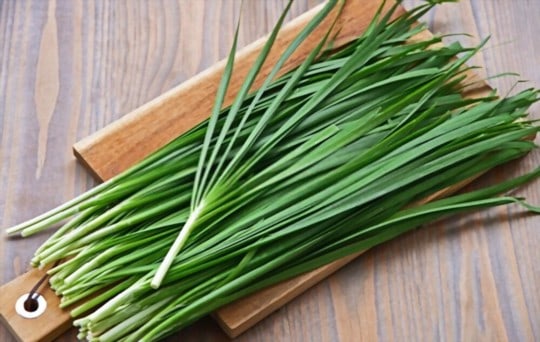
This is a commonly used herb that you can find in most grocery stores.
Chives look a lot like scallions with their thin, green, leafy stalks.
Chives contain many beneficial nutrients, especially a large amount of Vitamin K.
The main part of the plant used in cooking is the green stalk, which can be eaten raw or cooked.
The flower is also edible but is not a suitable substitute for onions.
Recipes that use raw onion are the best for using chives as a substitute.
Raw chives are incredible as a garnish or when used in salads.
If you must use them in a recipe for cooked onion, throw the chives in as late as possible.
- Key Characteristics: Chives have a mild and delicate onion flavor. While they won't provide the same texture as red onions, they can add a subtle onion-like taste to your dishes.
- Use an equal amount of chives as a substitute for red onions. Keep in mind that chives are best used as a garnish or added towards the end of cooking to preserve their delicate flavor.
5 - Leeks
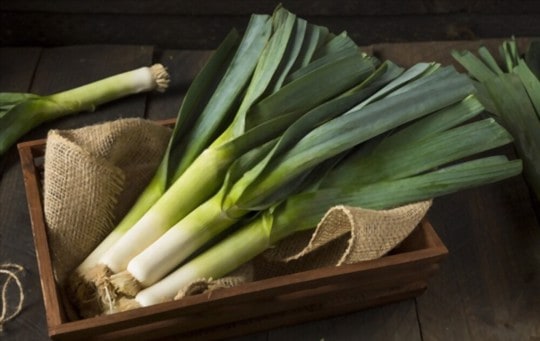
This vegetable is a popular ingredient in its own right.
Leeks are often used in soups, stews, salads, or pasta.
They are prevalent in stews and soup because of the depth their flavor adds.
The part of the leek to eat is the white base of the leaves and the light green part of the leafy portion.
Leeks are dense, crunchy, and firm, much like onions.
Unlike the red onion, leeks have a milder taste that hints of garlic.
- Key Characteristics: Leeks have a mild and slightly sweet onion-like flavor. They can be used as a substitute for red onions in cooked dishes such as soups, stews, or sautés.
- Use an equal amount of leeks as a substitute for red onions. Adjust the quantity based on personal preference and the specific recipe you are preparing.
Frequently Asked Questions
Onion Powder is the best substitute for Red Onions because it shares a similar flavor and texture. Use it at a 1:1 ratio in any recipe that calls for Red Onions.
Yes. Onion Powder and White Onions work as direct replacements in most recipes.
Use the same quantity and adjust seasoning after tasting.
Usually not, but check moisture content. Wetter substitutes may need a slightly higher temperature or longer cook time to evaporate excess liquid and achieve the right texture.
Is the substitute appropriate for all dietary restrictions?
Check labels carefully.
Many substitutes introduce allergens or ingredients that conflict with specific diets - dairy, gluten, soy, or nuts may appear in processed alternatives.