
The closest alternatives to Curry Leaves are Kaffir lime leaves, Lemon zest or lime zest, Basil, Bay leaves, and Lemon balm.
These glossy, leathery, dark green leaves are full of flavor and aroma.
For cooking, Lemon zest or lime zest also works well - adjust the amount to taste.
Finding the perfect substitute for curry leaves might seem like searching for a needle in a haystack.
, though: it's way easier than you think.
We've got you covered with some ace swaps that'll save your dish.
Curry leaves pack a punch with their unique flavor. No curry leaves?
No problem.
We're here to guide you through the top picks that'll keep your cooking on point.
Each substitute we've selected brings its own magic to the table, keeping your meals delicious.
And hey, you might even discover a new favorite among them.
5 Fresh and Dried Replacements for Curry Leaves
If you're looking for a substitute for curry leaves in your cooking, there are several options you can turn to - including sun-dried tomatoes as flavorful substitutes.
Here are the five best alternatives to help you get that delicious flavor:
1 - Kaffir lime leaves
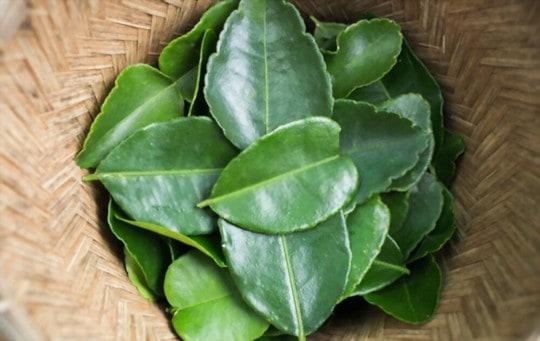
Kaffir lime leaves, also known as Makrut lime leaves or Kieffer lime leaves, are widely used in Thai and Southeast Asian cuisines.
These glossy, leathery, dark green leaves are full of flavor and aroma.
They taste slightly citrusy when eaten raw and impart a subtle lemony warmth when cooked.
Most commonly used in dishes like soups, curries, salads, and stir-fries, kaffir lime leaves can be substituted with curry leaves to give an interesting flavor to the dish - see kaffir lime leaves substitute options.
To substitute, dry the kaffir lime leaves in an oven and grind them into a fine powder which can then be added as desired according to personal taste.
Both fresh or dried kaffir lime leaves add an incredibly satisfying boost of aroma and fragrant taste to any dish.
2 - Lemon zest or lime zest
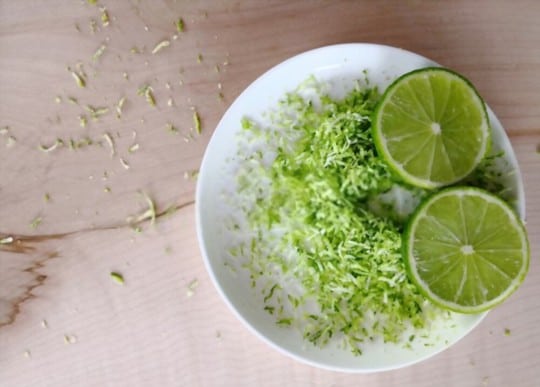
Lemon zest and lime zest have been used in cooking for centuries, particularly around their native Mediterranean region.
In addition to adding bright flavor to traditional dishes like paella, lemon and lime zest can also be used in many recipes to add a subtle tangy flavor.
Both provide a bright yellow-green color, though the flavors are distinct.
Lime has a crisp and tart taste, while lemon is more fragrant and mellow.
Zesting lemons and limes are simply done with a fine grater or Microplane.
If either of these items isn't available, they can also be substituted in curries with curry leaves - just double the recipe's suggested amount to make up for their smaller size.
Whether using these fruits' zests or whole peels in dishes, they're sure to add a delicious flavor that will enhance any creative chef's work.
For a briny, mellow citrus option that works in place of fresh zest, try preserved lemon as a savory substitute in recipes calling for lemon or lime peel.
3 - Basil
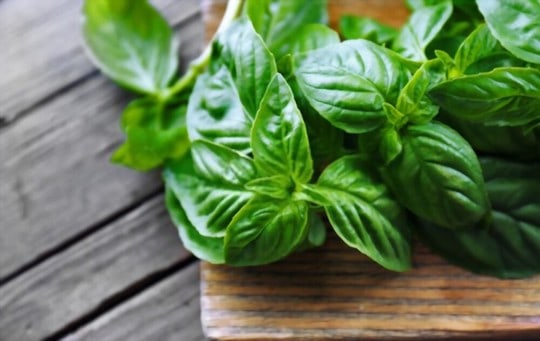
Basil, an aromatic culinary herb, has long held sacred status in many cultures.
Originally native to India and other tropical parts of Asia, it is now found all over the world.
The flavor of basil is described as being sweet and slightly peppery, making it, along with parsley, the most common herb used to give a unique kick to dishes.
The leaves themselves are quite large, having a silky texture that stands up well to heat without losing its flavor or softening too much.
As basil goes perfectly with tomatoes and can also be used for garnishes, it makes an excellent substitute for curry leaves in any recipes that call for them - see basil in pesto substitute ideas.
4 - Bay leaves

Bay leaves are a fragrant and powerful cooking ingredient used to improve the flavor of dishes from all around the world.
With oblong leaves and an unmistakable aroma, bay leaves can be added whole to a dish while it is cooking to infuse it with subtle notes of pine and lemon.
Once cooked, these leaves have an evergreen flavor that is both biting and bold - making bay leaves a popular choice for soups, stews, and sauces.
Because they are hardier than other herbs like parsley, bay leaves are often simply left in the pot or pan throughout the course of a meal.
For those looking for a curry-flavor substitute, bay leaves are a great choice - explore bay leaf substitute suggestions.
5 - Lemon balm

Lemon balm, also known as Melissa officinalis, is an herb native to the Mediterranean and North African regions.
With a distinctly lemon scent, it has been used in herbal tea, skin lotions, and perfumes alike.
In addition, it can make a great substitute for curry leaves in cooking.
The leaves have a tart and citrusy flavor, with a texture that's slightly thicker and crunchier than regular culinary herbs when fresh.
When dried, the texture becomes much softer while retaining delicate flavors of sage and mint, especially when combined with other fragrant spices.
Substituting lemon balm for curry leaves is easy - simply put some into prepared dishes like curries or broths to get the same nutty aroma that traditional cooking requires.
For spice blends that pair similarly, 5 BEST Substitutes for Curry Powder lists practical swaps. For paste-based swaps, 5 BEST Red Curry Paste Substitutes covers flavorful alternatives.
Frequently Asked Questions
Kaffir lime leaves, Lemon zest or lime zest, Basil, Bay leaves, and Lemon balm. Use it at a 1:1 ratio in any recipe that calls for Curry Leaves.
Yes, and the results are often hard to tell apart. Kaffir lime leaves is the go-to replacement.
For variety, Lemon zest or lime zest adds its own twist to the dish.
Sometimes. Blending two partial substitutes - one for flavor and one for texture - gets closer to the original.
This works best when neither alone fully replicates what you need.
Not always. Some substitutes are processed or have a strong raw flavor that disappears with heat.
Check whether the original is typically used raw before assuming the substitute will work the same way.