
Bay leaves are a magic ingredient for both a chef and a household.
Because it gives your food a unique aroma and tastes that any other ingredient cannot offer.
These are used in adding flavor to stock, stews, sauces, and other dishes.
That is the reason you have seen everyone storing these leaves at their homes and restaurants.
The leaves are not sold individually and one needs to buy the whole pack.
But now people get infested with a lot of questions about these.
Like do bay leaves go bad or can we store them for a longer period and much more.
Bay Leaves Storage Duration

Just like other foods a bay leaf also has an expiry date - and can you eat bay leaves explained helps clarify safety when using older leaves.
Both versions can get expired in some time.
However dried leaves last for a longer time than fresh leaves.
The life of these can increase if anyone stores them in the correct manner.
If we talk about a fresh bay leaf then putting it in the fridge can increase its life.
In the fridge, they can last for 2-3 weeks and more.
However, if you are not sure to use them recently then keep them in the freezer then their life will get extended to more than 1 year.
On the other hand, dried leaves can be used for 2-3 years.
But keeping a dried leaf will not work for dried leaves as their period will decrease.
That is because a dried leaf gets moisture in them.
That is the reason keeping dried leaves in the fridge is not advisable.
As they lose their flavor and aroma and go bad earlier than expected.
If you want to taste the authentic flavor of a bay leaf then make sure to eat them before the expiry date written on the pack.
How to Tell if Bay Leaves Have Gone Bad?

By good storing you can preserve the bay leaf but how will you identify that your leaves are an expired or have gone bad? If you ate a bad bay leaf without knowing then it can be bad for your health.
Although the risk of eating an expired leaf is low still it can cause nausea, diarrhea, headache, and a lot more.
Thus one should be careful while using a bay leaf in any recipe.
Thus you need to take care of several things while storing the leaves:
- Moisture .
Moisture can make your bay leaf bad even before the expiry date ends.
That is why you should restrict the contact of your bay leaves with water or any other liquid.
Both dried but moisture can also be the reason for decay in a fresh leaf.
The fresh leaves will become slimy after a while if any moisture enters its packaging.
- Mold .
If your bay leaves have any contact with liquid then they will start to develop a mold in them.
If you are able to see any mold then your leaves have expired.
The area which was affected will get an elongation which is easier to identify bad bay leaves.
Some vegetables carry seeds that affect storage and spoilage characteristics; see seed-containing vegetable identification guide to learn which ones hold moisture differently.
How to Store Bay Leaves?
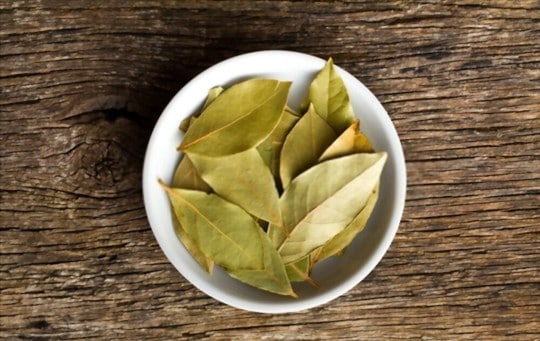
If anyone pays attention to storing them correctly they can preserve their leaves from going bad.
There are a lot of factors that contribute to a bad leaf such as moisture, sunlight, packaging, temperature, and many others.
- For a fresh leaf, you need to put the leaves in the water bowl and swirl your hand to remove dirt. Be gentle with the process and use a drainer to drain all the water. Then dry out all the leaves with a paper towel. .
- Once all the water is removed take a Ziploc bag and transfer then into the bag. Make sure to mention the expiry date on the pack. Make sure that oxygen does not enter your Ziploc bag.
- Avoid keeping fresh bay leaves in direct sunlight. In contact with direct sunlight, the green leaf will start to turn yellow. This can also be after the nutrients and taste of leaves.
Frequently Asked Questions
Bay leaves are a magic ingredient for both a chef and a household. Because it gives your food a unique aroma and tastes that any other ingredient cannot offer.
These are used in ad...
Check the packaging instructions. Many products are shelf-stable until opened, then require refrigeration to prevent bacterial growth.
Can you use it past the expiration date?
Best-by dates indicate peak quality, not safety.
Many shelf-stable products remain safe beyond that date if stored properly and show no signs of spoilage - always check before using.
Homemade versions typically have a shorter shelf life due to the absence of preservatives. Use them faster and store in the refrigerator even if the commercial version is shelf-stable.
How long Himalayan salt blocks last varies by use and care - Himalayan salt block lifespan explained provides details. Storage and safety for prepared foods differ; sandwich shelf-life guidance and tips outlines how long sandwiches remain safe.