
Cloudberry is a tempting fruit that is readily available at any departmental store in the produce section.
Since people can get it at their nearest grocery stores, the fruit has grown quite popular.
However, they're increasingly becoming rarer in the US as they can only grow within regions with a cool, temperate climate.
If you've never tried this fruit before, you should probably check it out whenever you get the opportunity.
But, are Cloudberries really worth your cash? Let's find out about the various benefits of it
First, what does Cloudberry taste like?
What is Cloudberry?
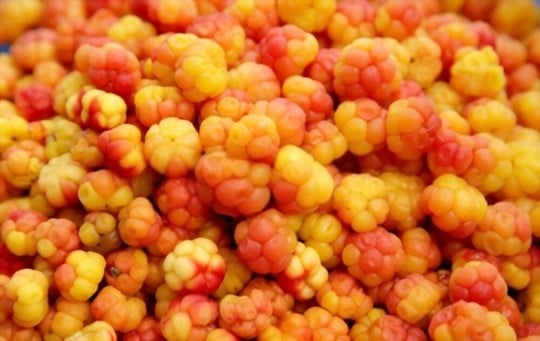
Cloudberry is a berry fruit that is said to resemble a raspberry, but smaller in size with a more yellow-orange hue covering it.
To grow efficiently, they need climatic conditions that include extreme cold, such as regions like Alaska, Russia, Norway, & Canada.
Their rarity makes them extremely hard to find, therefore gain a huge demand at a high cost.
Unlike other plants of the same Rubus family, cloudberry is actually dioecious therefore they produce fruits at earlier stages.
It grows up to a height of 10-25 centimetres and contains leaves with hand-like loves.
Despite the high demands and costs, it is not well cultivated in lands and is considered to be a wild plant.
In Sweden, Cloudberries, or rubus chamaemorus, are highly popular wherever you go.
There are even a selection of honourable dishes that the Swedes cook and Cloudberries are on the list of ingredients.
They are the most desired berries in the land of beautiful forests and lakes.
When using cloudberry in sweets, citrus partners often enhance the flavor; lemon dessert pairing ideas lists nine complementary options.
For a comparison with another unique berry, acai berry taste guide explained reveals how acai's flavor differs.
What Does Cloudberry Taste Like?
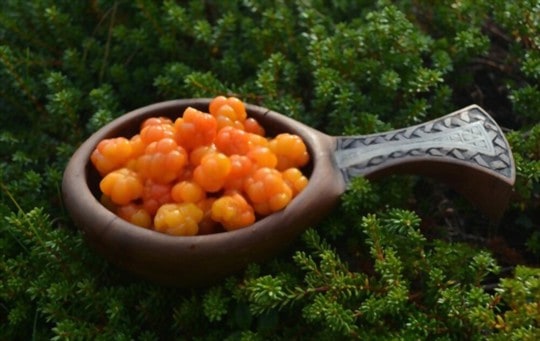
When berries become ripe, they start having a softer texture with a juicier and sweeter flavor palette.
Even though its contents are extremely rich but somewhat sour, they quickly resemble the taste of raw raspberries.
With some sugary content, these fruits are pretty seedy inside, with a taste that requires sugar to enjoy.
The fruity flavors are a cross between raspberries, blackberries, and red currants.
Besides having a unique taste, it's also a little picky with where it can grow.
So, the sweet but bitter taste can differ according to wherever it is grown.
Wild berries such as Cloudberries are humongous berries that look like blackberries.
However, one bite and you will receive a blend of red gooseberry currants as well as a raspberry in your mouth.
They contain an unmissable amount of flavor within them, with a milder taste as compared to Osage oranges and lingonberries.
Freshly picked from any garden, this fruit can have a firm texture and an aroma that is subtle but amazingly floral scented.
As the days pass by and the Cloudberry begins to ripen, they become sweeter.
The texture is said to be similar to that of fresh yogurt, with silky and creamy softness.
Both are these fruits tasteful, but they are also quite nutritious due to the various benefits they hold in the health category.
With Vitamin C, K, zinc, magnesium, carotene, etc.
On their belt, they are a mine of nutrients that anyone can enjoy without worry.
The cloudberry fruit is believed to help detoxify the body, help against anemia, and strengthen bone structure.
How to Cook Cloudberry?

As with any berry, the cloudberry can also be eaten with nothing else but itself.
It tastes incredible with the seeds removed so most fancy eateries will remove them for this purpose.
Although it is a fantastic experience to consume them as they are, you can incorporate the fruit in various ways.
When serving cloudberry dishes, quick vegetable sides can keep the meal balanced; veggie sides under 12 minutes lists fast pairing options.
Cloudberry Jam
The Swedes love Cloudberry, as we have established, and Hjortronsylt (Cloudberry jam) is one popular dish they take pride in - see jam vs marmalade comparison for how spreads differ.
With one or two jars never missing in their kitchens, the cloudberries are blended well into a tart but sweet-tasting pickle.
You can quickly get a taste by ordering this jam online or via IKEA stores.
Cloudberry Sauce
If the jam isn't your thing, maybe you'd like some sauce? You can put a dollop of jam through a thin cloth, if not a sieve, and make a quick sauce to garnish your dessert plates.
Pour this jam on some pie, muffins, or tea and you're done.
For a contrasting condiment profile, HP Sauce taste guide explained breaks down that sauce's flavor.
Cloudberry Liqueur
Made in Finland, it is called the Lapponia Lakka.
This liqueur is a fantastic ingredient that can be used in various dishes and desserts - compare cordial vs liqueur comparison to see the differences.
You can even pop some in a glass and enjoy.
Distinct Taste of Cloudberries
Cloudberries are hard-to-find fruits that need particular care and conditions to thrive.
It's primarily grown in the wild as of now, but farmers have growing concerns about their production and commercial potential, so they are trying to grow them in their fields.
Without a doubt, this can help boost supplies and deduct the extremely high prices.
This will also mean you can have a taste of this unique berry quite easily someday.
Now that you've got a gist of the juicy, sweet, and sour flavors, you can go on an adventure to find them and make them into jams and sauces or eat them whole.
Cloudberry preserves work like other fruit spreads. jam vs marmalade comparison explains differences. HP Sauce taste guide explained shows a contrasting savory condiment profile.
Frequently Asked Questions
First, what does Cloudberry taste like? Even though its contents are extremely rich but somewhat sour, they quickly resemble the taste of raw raspberries.
With some sugary content, these fruits are pretty seedy inside, with a taste that requires sugar to enjoy.
The texture of Cloudberry depends on how it is prepared. Raw, cooked, and processed forms each offer a distinct mouthfeel that changes the overall eating experience.
Is there a strong smell that comes with the taste?
Aroma and taste are closely linked.
A strong smell usually signals an equally bold flavor.
If the smell is mild, expect a subtler taste that becomes more apparent with seasoning.
Depends on the ingredient. Some improve dramatically with heat, developing sweetness or losing bitterness.
Others are best raw, where cooking dulls the brightness that makes them worth trying.