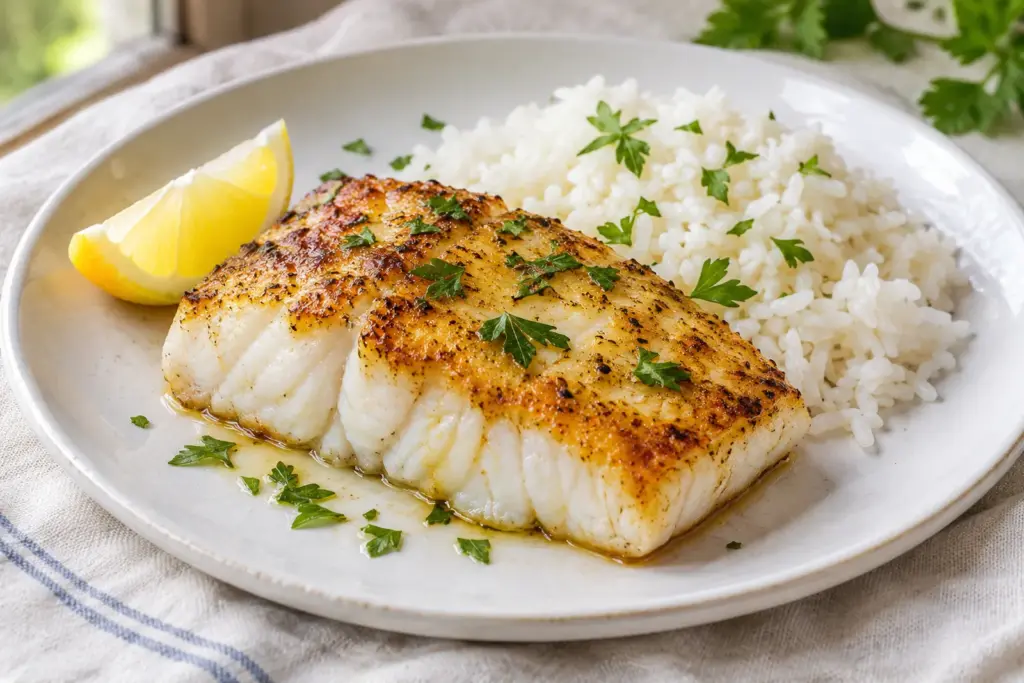
Tripletail tastes mild and slightly sweet, with firm white flesh that flakes in large pieces.
- The University of Florida's extension service describes the meat as firm and white, in large fillets.
- Cook it to 145°F inside.
- Handle a whole fish with care, because sharp spines sit on its gill cover and cheek.
Tripletail is a warm-water fish that most cooks have never bought, so the first question is how it tastes next to the other fish and seafood flavors you already know.
1. What Does Tripletail Fish Taste Like?
Seafood suppliers and cooking guides describe tripletail as mild and slightly sweet, with large, firm flakes that stay juicy if you do not overcook them. Flavor is a matter of taste, so treat this as a trade description, not a measurement. The flavor is clean enough that a squeeze of lemon and a little butter are all most fillets need.
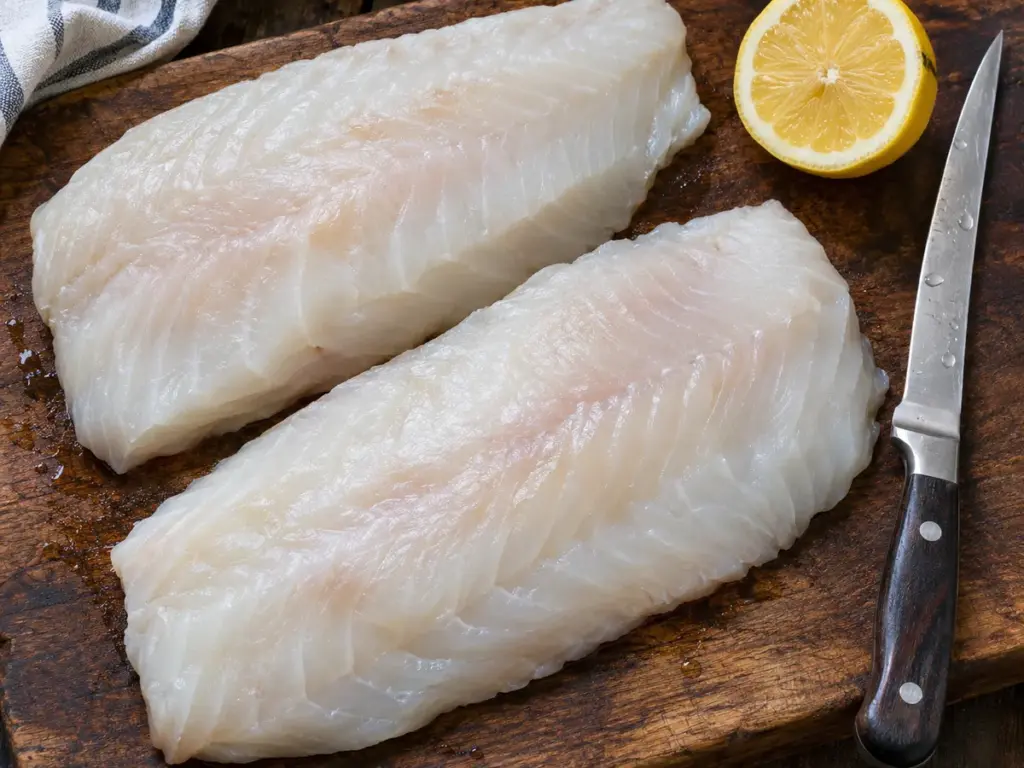
Here is what to expect when the fillet is on your plate:
- Flavor: You taste a gentle, slightly sweet fish with no strong "fishy" edge, so it takes citrus, butter, herbs and spice rubs equally well.
- Texture: The meat is firm and white, and it breaks into large flakes instead of falling into mush.
- Fillet size: Tripletail is flat, but a fish of several pounds still yields large fillets.
- Overcooking: A fillet cooked past 145°F dries out, and then the mild flavor tastes flat.
2. What Is Tripletail Fish?
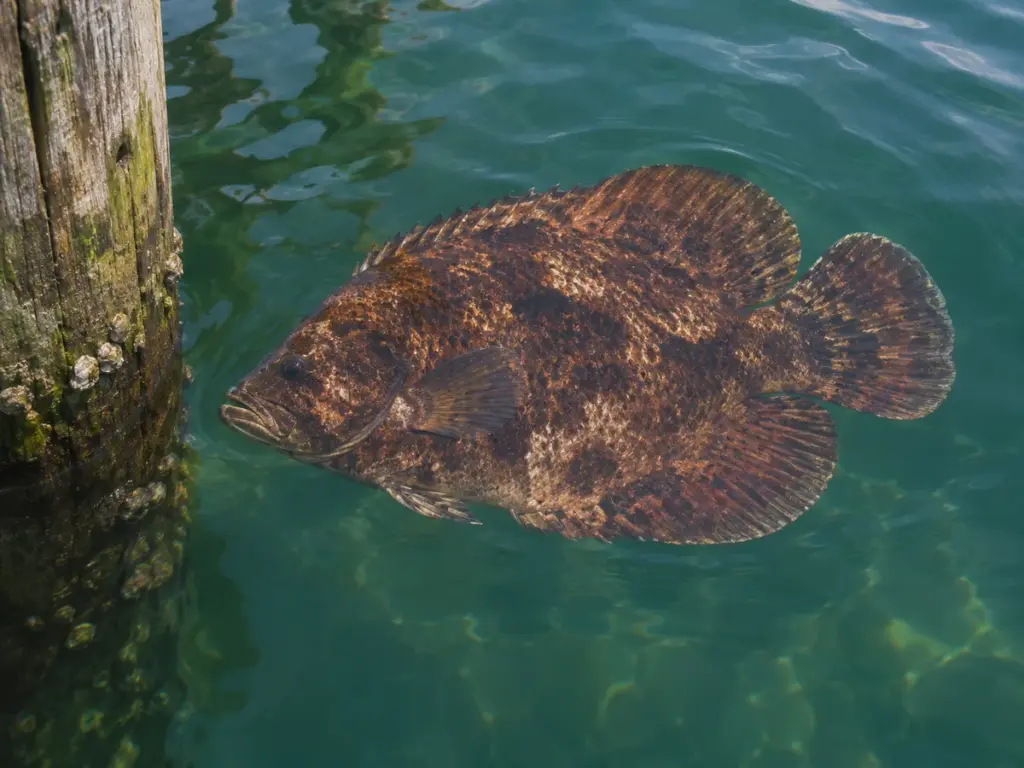
Tripletail (Lobotes surinamensis) lives in the tropical and subtropical seas of the world, not only in Japan or the Atlantic. The Florida Museum lists it from Massachusetts and Bermuda to Argentina, and it is rare north of Chesapeake Bay. The name comes from its shape: the rounded dorsal and anal fins line up with the tail fin, so the fish looks as if it has three tails.
| Trait | What the sources say |
|---|---|
| Shape | Flat and almond-shaped, adults dark to reddish brown |
| Size | Up to about 35 inches and 41 pounds, with an average weight of roughly 2 to 15 pounds |
- Other names are buoyfish, eddyfish, sleepfish and black perch.
- It lives near wrecks, jetty pilings, sea buoys and floating debris, and in bays and estuaries in summer.
- It eats small fish such as menhaden and anchovies, plus blue crabs and shrimp.
The table covers the facts a cook needs. One more detail explains the nicknames: tripletail often float on their sides at the surface, where they look like drifting seagrass or debris. That helps them hide from predators and ambush prey, and it is why anglers search for them around buoys and floating objects, as the UF/IFAS species profile explains.
3. Where Can You Find Tripletail?
Commercial catch is small. The Florida Museum says only a few tons are fished commercially in Florida, and that fish is sold fresh, frozen or salted.
You are unlikely to see it at every fish counter, so ask your fishmonger whether they can order it, or buy another firm white fillet, such as halibut, if they cannot. Mild sea bass fillets bake the same way. Red drum, which anglers also catch in Gulf waters, is a firm, mild fish too.
If you plan to catch your own, size limits, bag limits and gear rules differ by state and change from year to year. Check the current rules from your state's wildlife agency before you keep a fish, because a limit that was right last season may not apply now.
4. How Do You Cook Tripletail?
UF/IFAS lists frying, grilling, sauteing and steaming as suitable methods, and a cooking guide adds searing and roasting. Because the mild flavor is easy to cover up, pick one strong partner, such as lemon, a spice rub or a crisp crust, and skip long marinades.
If you are new to the fish, baking is the simplest way to start. This is the University of Florida's cracker-crusted recipe, which serves 4 with 2 fillets cut in half:
- Fillets: 2 tripletail fillets, each cut into 2 pieces
- Crust: 1 cup crushed saltine crackers, ⅓ cup grated Parmesan and 1 teaspoon blackening seasoning
- Binder: ¼ cup melted butter
- To serve: 1 lemon cut into wedges
- Heat the oven. Preheat it to 350°F.
- Mix the crust. Stir the crushed crackers, Parmesan and seasoning together in a shallow dish.
- Coat the fish. Dip each piece in the melted butter, then press it into the crust on both sides.
- Bake. Put the pieces on a sheet pan and bake for 15 to 20 minutes, until the crust is golden and a knife tip shows the fish is opaque.
- Check and serve. Push a thermometer into the thickest part, and take the fish out once it reads 145°F. Serve with the lemon wedges.
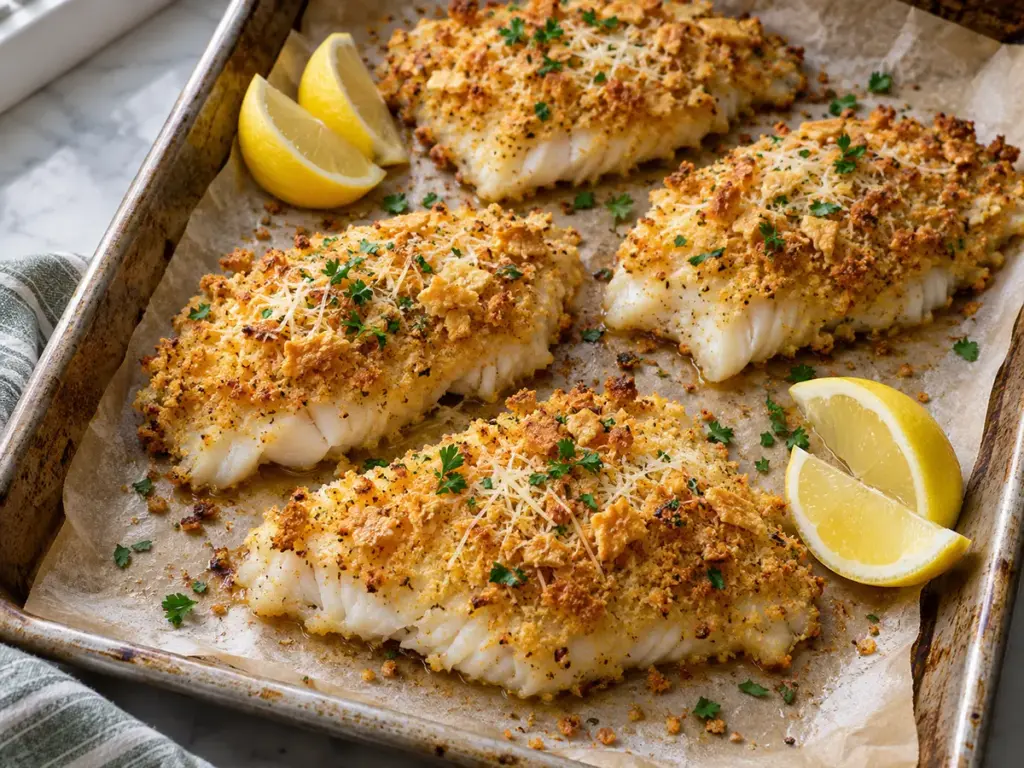
The recipe's time is a range because fillet thickness changes it, so trust the thermometer over the clock. The FDA says most seafood should be cooked to an internal temperature of 145°F, and it also says to keep fresh fish at 40°F or below in the refrigerator and use it within 2 days of buying.
For sides, rice and a vegetable that does not compete with the lemon work well, and vegetables that suit baked fish such as roasted or steamed greens give you plenty of choices. Because tripletail is a mild white fish, most sides that suit white fish, such as lemon rice or roasted potatoes, work with it too.
5. Is Tripletail Safe to Eat, and What About Mercury?
Tripletail does not appear on the FDA and EPA advice chart for eating fish, so there is no official "Best Choice" or "Good Choice" label to quote for it, and we will not guess its mercury level. If you are pregnant, breastfeeding or feeding a young child, the safe route is to pick fish from that chart's Best Choices list and leave tripletail out.
If you caught the fish yourself, check your state's fish advisories first. The FDA says that when no advisory exists for fish caught by family or friends, you should eat only one serving and no other fish that week.
Sources
- UF/IFAS Extension Pasco County, Gulf Coast Catch and Cook: Atlantic Tripletail (2025)
- UF/IFAS Extension Collier County, Fish of Florida: Atlantic Tripletail (2021)
- Florida Museum, Tripletail species profile
- FDA, Selecting and Serving Fresh and Frozen Seafood Safely
- FDA and EPA, Advice About Eating Fish
- Vitalibrary, Tripletail essentials (flavor description from a seafood cooking guide, not an agency)

Food writer at GustoMeadow. Writes ingredient substitutes, food comparisons, taste guides and storage guides for home cooks.
Storage and food-safety numbers follow USDA, FDA and university extension guidance.