
The best substitutes for Fish Stock are Seafood Stock, Chicken Stock, Clam Juice, Miso Soup, and Vegetable Broth.
Seafood Stock
Seafood stock is a mystery to many home cooks.
For cooking, Chicken Stock also works well - adjust the amount to taste.
I'm here to dish out the top five swaps that'll save your sauce and maybe even amp up the flavor game.
Who knew a missing ingredient could lead to such delicious discoveries?
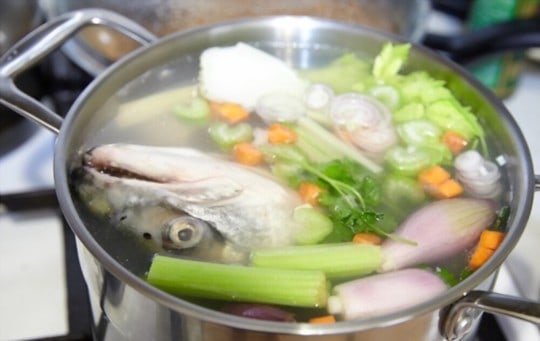
5 Homemade Options for Fish Stock
If you're looking for a fish-free alternative that can still bring a depth of flavor to your cooking, you might be scratching your head - or consider sole fish substitute options that maintain delicate seafood notes.
What are the best substitutes for the fish stock? Here's a list of some excellent options.
1 - Seafood Stock

Seafood stock is a mystery to many home cooks - learn seafood stock substitute guide to simplify swaps and uses.
What exactly is it, and how can we use it? Seafood stock is a savory liquid that combines the essence of various types of seafood, including shrimp shells, crab shells, clams, and cod bones.
It gives dishes a rich flavor with hints of brininess from the sea.
When cooked down, it results in an intense concentration of flavor that fish stock simply cannot replace.
For this reason, many chefs prefer to use seafood stock for classic dishes such as paella or bouillabaisse.
Substituting it for fish stock provides dishes with an amazingly delicious flavor and complexity beyond what other stocks can deliver.
2 - Chicken Stock

Surprisingly, chicken stock is often a more suitable replacement for a fish stock than most people think - try chicken stock concentrate swaps when a richer base is needed.
Alongside the strong layers of flavor that accompany all kinds of stocks, this one specifically has an incredibly savory and rich taste.
Its texture adds a delicious creaminess to dishes and gravies, making it a great alternative for seafood-based variations.
When making substitutions for fish stock, reducing the amount of salt used in the recipe can create the desired flavors without overly salty or intense tastes.
To cook with chicken stock, it can be boiled down and cooked with vegetables, bones, and other ingredients to pack in all the nutrients present in this type of product.
3 - Clam Juice

Who knew that such a thing as 'clam juice' existed? Certainly, those who enjoy experimenting with various seafood dishes are likely familiar with it, and for a good reason, too.
Clam juice is an intensely flavorful condiment known primarily for its use in soups, sauces, stews, or marinades.
The taste is salty and bold but mild at the same time-perfectly delicate enough to enhance ingredients without overpowering them.
It has a fishy taste and a thick, viscous texture reminiscent of regular fish stock.
If you ever find yourself out of fish stock, don't despair; turn to clam juice instead.
It can be passed off as a fish stock substitute any day of the week-just be sure to adjust seasoning levels accordingly.
For recipes that need a touch of sweetness instead of brininess, consider evaporated cane juice sweet swap ideas to balance flavors.
4 - Miso Soup
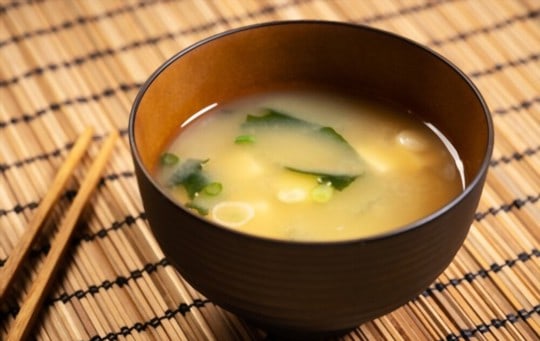
Miso soup is an intriguing cooking experience.
Although it's a staple of Japanese cuisine, not many people in the U.S., have experienced this unique dish.
Those who have might be familiar with its brothy consistency, firm yet delicate texture, and unique nutty flavor that comes from the miso itself-a paste made from fermented soybeans mashed together with sea salt, koji (malted rice), and kombu (edible kelp).
Miso can also be mixed with other grains or ingredients, such as adzuki beans or eggplant - creating another delicious and umami-rich broth; if miso is unavailable, see miso paste substitute options.
If you're vegan and looking to substitute fish stock for a bolder flavor, miso soup is the way to go.
5 - Vegetable Broth

Vegetable broth, often unknowingly referred to as vegetable stock, is a mysterious yet nutritious concoction.
This savory liquid is made by simmering two parts vegetables with one part herbs and one part spices; the whole mixture is then cooked down in the water until it achieves an intensely flavorful consistency.
The vegetable broth has a smooth yet substantial quality - it's not too heavy or salty like chicken or fish stock, yet offers an elevated depth of flavor all its own.
For those who are looking for meat-free alternatives for dishes that call for fish stock, try substituting vegetable broth instead - it offers the same umami flavor to a dish without the heaviness and can easily be incorporated into almost any recipe.
Frequently Asked Questions
Seafood Stock, Chicken Stock, Clam Juice, Miso Soup, and Vegetable Broth. Use it at a 1:1 ratio in any recipe that calls for Fish Stock.
Yes. Seafood Stock and Chicken Stock work as direct replacements in most recipes.
Use the same quantity and adjust seasoning after tasting.
Usually not, but check moisture content. Wetter substitutes may need a slightly higher temperature or longer cook time to evaporate excess liquid and achieve the right texture.
Is the substitute appropriate for all dietary restrictions?
Check labels carefully.
Many substitutes introduce allergens or ingredients that conflict with specific diets - dairy, gluten, soy, or nuts may appear in processed alternatives.
For condiments and finishing sauces, consult fish sauce substitute choices. For earthy, concentrated broths, see mushroom stock swap suggestions.