
Soybeans are one of Asia's popular foods.
While the legume itself isn't appreciated much, its products are a worldwide sensation.
Many people dislike the taste and aroma of soybeans, but that doesn't make it any less significant.
If it doesn't meet your culinary expectations, you can change its structure and prepare it differently until you get a satisfying result.
So, what do soybeans taste like, and how can you prepare them? We've sorted out these answers here, so you can enjoy the legume at its best.
What is Soybean?
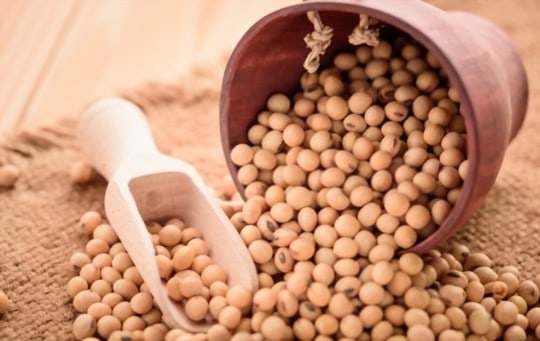
Soybeans are small legumes native to East Asia and have multiple uses ranging from human consumption and cosmetics to industrial products and animal feed.
There are over 2500 varieties of soybeans, and you can find them in black, brown, green, and yellow colors; the yellow variant is the most common.
These legumes are a rich source of plant protein and make many protein-rich foods, including tofu, tempeh, yogurt, soy sauce, cooking oil, and soy flour.
Immature soybeans are green and called edamame; they make excellent appetizers and require only a little salting to enhance their flavor.
You can tenderize them by blanching them in warm water.
Meanwhile, mature soybeans are yellowish or brown and require soaking before you can cook them.
They make some of the most delicious snacks and keep you satiated for hours.
You can even add them to your weight loss diet.
Soybeans are smaller than most legumes but nutrient-dense, particularly rich in isoflavones.
Besides, they're also a rich source of omega-3 fatty acids and make some of the best foods for fermentation.
If using soy products in sweets, consider citrus pairings and consult lemon dessert pairing ideas for nine complementary flavor matches.
For a contrast in fruit-forward flavors, see the acai berry taste guide revealed to compare how acai's tart, chocolatey notes differ from soybean-based foods.
What Do Soybeans Taste Like?
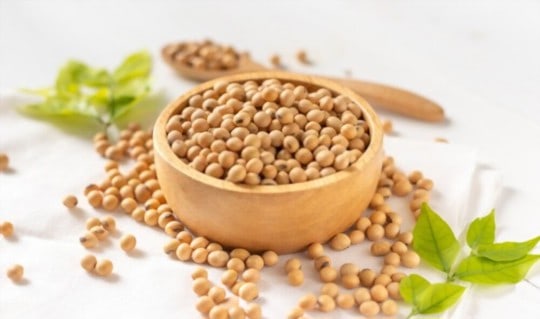
The taste profile of soybeans can range from beany and nutty to grassy and earthy.
However, this taste gradually dissipates with cooking and becomes a comforting flavor.
Cooked soybeans have a warm and nutty flavor and are suitable for many cold-weather dishes.
They are tender and have a warm aroma that is just perfect for warming you up on a warm day.
They have an overwhelming beany aroma when raw, which puts off many people, but there are many other uses for soybeans than just cooking them in plain water.
Another way to consume soybeans is in their powdered form.
Powdered soybeans have an earthy taste profile because they are cooked and lightly roasted before grinding.
Soya chunks are a common item made from soybeans.
They are almost odorless and have a very mild soybean flavor; this makes them excellent meat substitutes.
They also absorb water and increase in size when cooked.
If you're looking for soy products that are easy to customize in flavor, consider soya chunks, as they are suitable for almost any form of cooking.
You can use them in fried dishes, soups, and gravies.
You'll also find soybeans fermented in the form of a paste, also called miso.
They have a savory and astringent taste that lingers on your palate for a while.
One trick to getting the best-tasting soybeans is to cook soybeans right after you pick them.
They may require a little soaking before cooking as it cuts down the cooking time.
How to Serve Soybeans?
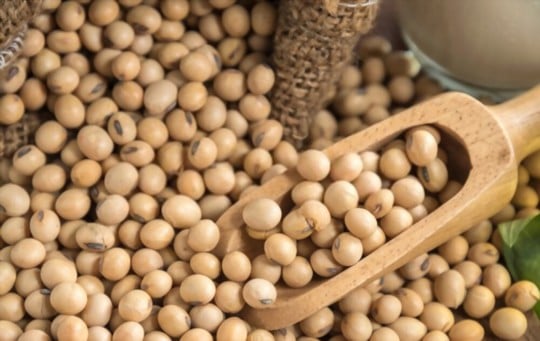
Cooking with soybeans is always a fun activity.
You can make simple and complex dishes to complement any meal.
So, here are some ways to serve soybeans:
For bite-sized sweet finishes that pair well after savory soybean dishes, try single-serve dessert ideas for treats suited to individual portions.
- Soybean tea: This is a healthy option when considering protein-rich beverages. You can make powdered soybean from scratch or find them at grocery stores. Besides protein, it'll also provide a boost of fiber, antioxidants, and healthy fats.
- Miso soup: Salted soybeans and Koji rice mashed into a paste and fermented for months are a probiotic everyone should try. They cure many digestive issues and are a great ingredient for soups. Miso paste is pretty rich in sodium, so it's best to start with small portions.
- Soybean falafel: When you don't have chickpeas to make regular falafel balls, consider using soybeans instead. They're hearty, flavorful, and full of nutrients. You can serve it with a tangy sauce like tzatziki.
- Soymilk: Blending soaked soybeans with a few cups of water results in a pulped white mixture that you can strain and boil to get soymilk. You can drink it as a dairy-free alternative to milk. And if soymilk doesn't meet your expectations, you can use it to make tofu and yogurt.
Conclusion
If you've always wanted to try soybeans but always let people's comments prevent you from doing it, you now know how to make them suitable for your palate.
With so many options to make with this legume, you can never get say no to soybeans again.
After all, you cannot express your opinion about something without trying it out.
So, get creative and cook soybeans in every way you like.
They're a treat for the palate and full of essential nutrients.
Soybeans vs edamame: what's the difference is explained in soybeans vs edamame comparison. For a side-by-side look at similar legumes, see black soybeans vs black beans comparison.
Frequently Asked Questions
Many people dislike the taste and aroma of soybeans, but that doesn't make it any less significant. So, what do soybeans taste like, and how can you prepare them?
These legumes are a rich source of plant protein and make many protein-rich foods, including tofu, tempeh, yogurt, soy sauce, cooking oil, and soy flour.
The texture of Soybeans depends on how it is prepared. Raw, cooked, and processed forms each offer a distinct mouthfeel that changes the overall eating experience.
Is there a strong smell that comes with the taste?
Aroma and taste are closely linked.
A strong smell usually signals an equally bold flavor.
If the smell is mild, expect a subtler taste that becomes more apparent with seasoning.
Depends on the ingredient. Some improve dramatically with heat, developing sweetness or losing bitterness.
Others are best raw, where cooking dulls the brightness that makes them worth trying.