
Did you find a bottle of sake lying in your storage for a long time ago, and now you are curious if it can be used?
These bottles do not come with a best-before date because of which everyone think that do sake go bad or can we use them no matter how old it has been stored.
Some people consider that these sake bottles have an indefinite shelf life as they do not contain a label, but this is not true, as sake does go bad over time.
As time passes, its quality and flavor tend to lose; at last, it goes bad.
What is Sake?
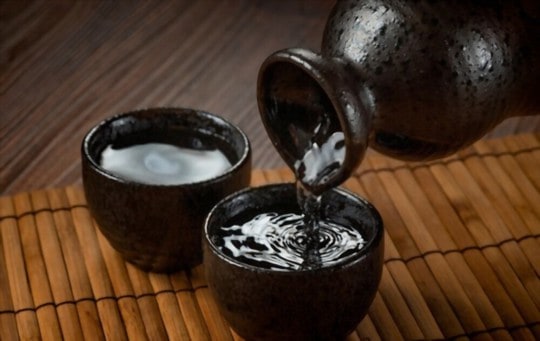
Sake is a Japanese alcoholic beverage that is made with rice fermentation.
The drink includes ingredients such as rice, water, yeast, and koji (mold).
One cannot use any rice while making sake as it needs special quality rice called sakamai.
The mold koji is used in the process to convert the starch into sugar, and the mold is spread over the rice.
One can find different variations in sake such as junmai, ginjo, honjozo, futsushu, and daiginjo.
These drinks are categorized by the addition of brewer's alcohol and rice polish ratio (RPR).
The drink contains the amino acid, which helps in the growth and recovery of skeletal muscles; this protects against osteoporosis.
Drinking the beverage moderately can help reduce cholesterol, lower the risk of cardiac diseases, and prevent blood clotting.
Sake also includes an insulin activator that can help to resolve problems of diabetes.
Sake's subtle sweetness can pair well with citrus in desserts - lemon dessert pairing ideas suggest complementary flavor matches.
Sake Shelf Life and Storage Guidelines

As mentioned earlier, sake does not have a best-by date.
Some of the bottles can have a production date labeled on them, after which you can count their life.
Many people believe that you should consume sake within a period of a year as it is fresh till that time.
However, the shelf life of sake differs from this as it can serve you longer than that period.
If you have an unopened bottle of sake, then you can keep it in the pantry for two years straight - similar to how a Himalayan salt block lifespan guide explains long-term pantry storage.
Until the bottle is closed, you really do not have to worry about its degradation as it is not affected by any external factor.
However, if the bottle is opened, you can only use it for 2 to 4 weeks after storing it in the fridge.
If you have unpasteurized unopened sake, then it can be preserved for a more extended period, that is, six months.
On the other hand, an opened unpasteurized bottle can be stored only for 1 to 2 weeks.
When you are keeping unpasteurized sake, then stored at room temperature is not advised.
How to Tell if Sake Has Gone Bad?

- Discoloration.
If you find an old sake bottle, you must know how to find bad sake.
You can look for changes such as discoloration and notice if the drink has developed any difference because of storage.
First, put the sake in a glass and see if it is dark yellow or amber.
You can also notice a grey hue and cloudiness; if yes, then be sure it has gone bad, and you should discard it.
- Smell the Drink.
If there is no color change, you can smell the drink.
When you store the beverage, then it will lose its aroma as time passes.
However, if there is an odor or moldy, stale smell, it indicates that the beverage is not fine to drink and you need to throw it out.
After it gets bad, it will offer a vinegar-like smell, so you must not taste it.
- Taste.
If there is no change in the color and smell of the drink, then you can take a sip of the beverage.
You can check if it still has that fantastic flavor or if the drink deteriorates over time.
One can even get an unpleasant or bad taste if the drink has gone bad.
If a bottle is undrinkable, consider cooking alternatives that mimic sake's profile - sake substitute options for cooking list practical swaps.
How to Store Sake?
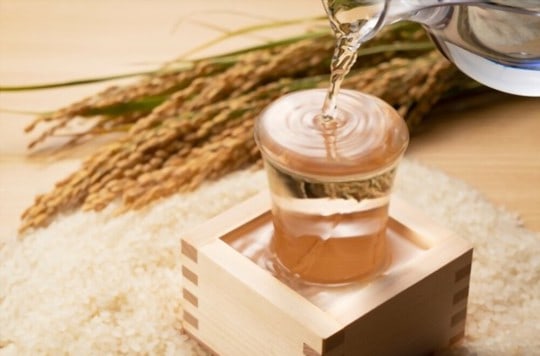
- Direct Sunlight.
When you are storing sake, then look for a place that is not directed towards sunlight.
That is because when these are stored in direct light, the compound in the drink breaks down, and it goes bad.
Thus you should find a cool and dry place and store the bottle away from heat and light.
- Temperature.
The beverage cannot withstand higher temperatures; therefore, you need to maintain a specific temperature to retain the quality of the sake.
Therefore you must not store it near places that are prone to heat or in a pantry if you live in a warm region.
- Store Away From Strong Smells.
When you are storing sake, then make sure there are no other items that have a strong smell.
That is because the drink will absorb the scent and lose its aroma, and the oxidation process will begin.
Because of this, the drink will begin to lose its potency and go bad after some time.
Best Storage Practices for Sake
The drink can be stabilized quickly by following the above-provided storage measures.
Unpasteurized sake must not be stored in the kitchen or pantry as they need a lower temperature for a longer shelf life.
Therefore you should keep it in the fridge or refrigerator even if the bottle is closed.
If you keep an opened bottle in the fridge, ensure it is adequately sealed for extended storage.
Sliced sandwiches require attention to freshness - sandwich shelf life details explains safe storage times. Pantry oils differ in longevity - avocado oil shelf life guide covers how to keep oils fresh.
Frequently Asked Questions
Did you find a bottle of sake lying in your storage for a long time ago, and now you are curious if it can be used? These bottles do not come with a best-before date because of whi...
Check the packaging instructions. Many products are shelf-stable until opened, then require refrigeration to prevent bacterial growth.
Best-by dates indicate peak quality, not safety. Many shelf-stable products remain safe beyond that date if stored properly and show no signs of spoilage - always check before using.
Homemade versions typically have a shorter shelf life due to the absence of preservatives. Use them faster and store in the refrigerator even if the commercial version is shelf-stable.