
It's always a pleasant experience to enjoy comfort food, especially in winter, and what can be better than polenta?
Incredibly simple, polenta is versatile, so you can have it on its own or with many other dishes.
Eating it at any time, whether breakfast, lunch, dinner, or special occasions, is also suitable.
But why is this simple dish so popular, and what does polenta taste like? Is it sweet, sour, bitter, earthy, or bland?
If you're familiar with polenta, you already know.
But there must also be many others who don't know.
But you don't need to stress a lot because we've found out what polenta tastes like, and we'll mention the facts below.
So, don't go anywhere but keep on reading to know more.
What is Polenta?
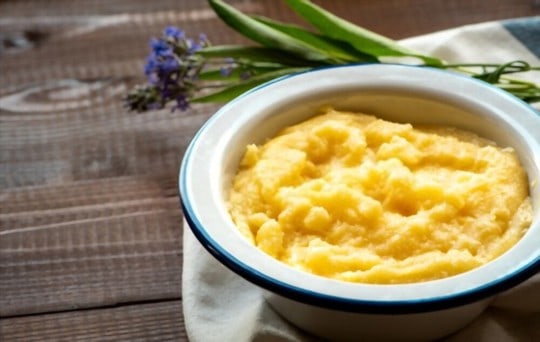
In modern times, polenta is a cornmeal-based dish, but in the old days, it used to be made with other ingredients.
It comes from Italy but is widespread across Europe and other places where maize or corn grows abundantly.
Millet, spelt, farro, chickpeas, and chestnut flour were the typical grains used for making polenta before corn arrived in Europe.
Depending on the cornmeal variety and cooking time, it can be silky smooth or slightly coarse.
It's a simple dish, traditional polenta takes a long time to cook.
It must be stirred continuously, or you won't get the desired consistency.
Recently, instant polenta has surfaced, and many people use it because it cooks fast.
But many others say it's not authentic polenta and refuse to use it and stick to the traditional cooking method.
Polenta sometimes appears in sweet dishes; for citrus matches, review lemon dessert pairings and options that work with cornmeal-based treats.
For a contrast in fruit flavors, see acai berry taste guide for how acai's profile compares to other tastes.
What Does Polenta Taste Like?

Polenta is a staple in millions of households across Europe and other places.
It used to be considered a poor man's food, but it's a popular dish with people from all walks of life.
Since it's versatile, it's a convenient dish as you can cook it in different ways and have it with various dishes.
It's made of corn, so polenta tastes like a filling corn porridge.
It is mild-flavored and traditional polenta is savory.
But you can also make a sweet version if you crave sweet flavors.
Perfectly cooked polenta should have slightly sweet notes, and not there shouldn't be any hints of rawness.
Its neutral taste also allows it to easily absorb other flavors and make it delicious no matter what you add.
Milk, butter, cheese, or broth all blend nicely with polenta.
So you can have sweet, sour, salty, creamy, and buttery flavors depending on what you add.
There are different types of polenta, and all of them share a similar flavor but different textures.
They range from coarse to fine and cooking time also varies from one to the other.
For example, instant polenta is partly cooked, so you can prepare it in about 5-8 minutes, while others can take about 45 minutes.
You can use polenta instead of flour, breakfast cereal, as a base for a main veggie dish, or as puff pastry topping.
In fact, there are many ways to use it, and we'll mention some more below.
How to Make Polenta and What to Serve with It?

Freshly cooked polenta is hearty, creamy, and soft and warms you up instantly.
It becomes firm when it cools down, but you can slice it easily.
You can use the slices in different ways and have them grilled or fried - or pair them with polenta side dish ideas for serving to complete the plate.
Making basic polenta is simple, and you won't need too many ingredients.
It's slightly similar to the famous Southern US grits.
But polenta comes from flint corn, while grits come from dent corn.
Here are the steps to cook simple polenta.
- Add salt to a pot of water and let it boil.
- Once the water is boiling, add the polenta. (The ratio of water to polenta is 4:1).
- Stir and let simmer until the polenta gets a little thicker. (Stir it once every five minutes).
- Close the pot and let it cook until it has a thick consistency.
- Put the butter and cheese, stir, and serve warm.
It's necessary to stir the polenta frequently, or it can get lumpy, and the texture may not be what you want.
You can serve polenta with.
- Grilled steak.
- Baked shrimp scampi.
- Creamy mushroom pork tenderloin.
- Seafood stew.
- Osso Bucco.
Polenta can be a suitable option for gluten-intolerant people as it's naturally gluten-free.
It also contains fiber, carbs, and protein and is very low in fat.
Since it's versatile, you can incorporate it into your diet and enjoy it regularly.
Polenta Taste and Preparation Tips
Polenta may have been the staple of poor people in the old days.
But it's a regular feature in many households.
It's an excellent dish to have at any mealtime.
It doesn't have a luxurious taste, but it's warm and filling.
It's also versatile, so you can enjoy it in many ways.
If you love corn, you'll enjoy polenta on its own or with other dishes.
You can also use it to make various dishes and surprise your family and friends.
Frequently Asked Questions
But why is this simple dish so popular, and what does polenta taste like? Is it sweet, sour, bitter, earthy, or bland?
But you don't need to stress a lot because we've found out what polenta tastes like, and we'll mention the facts below.
Several foods share flavor notes with Polenta. Tasting similar items side by side is the easiest way to map out what you enjoy and find new favorites.
Can you adjust the intensity of the flavor?
Yes.
Pairing it with acidic, sweet, or fatty components shifts the perceived intensity.
A squeeze of citrus brightens mild flavors, while fats like butter or oil mellow sharper ones.
Avoid pairings that clash with its dominant flavor note. Competing intensities - very sweet with very sour, or heavy with delicate - tend to obscure rather than go with the taste.
Polenta and risotto are often compared for texture and use; polenta vs risotto comparison explains key differences. polenta substitutes and alternatives lists suitable swaps when cornmeal isn't available.