
People frequently use provolone cheese; thus, you will find it stored in their fridge.
However, while storing, they begin to think about how long people can store the cheese or do provolone cheese go bad.
That is because the cheese begins to offer a different taste when kept for an extended period.
So there is no doubt that it goes bad; thus, when anyone has an old stored provolone cheese, they must look for bad signs.
Eating bad cheese can make anybody sick, as this can cause food poisoning.
Provolone Cheese Storage Tips
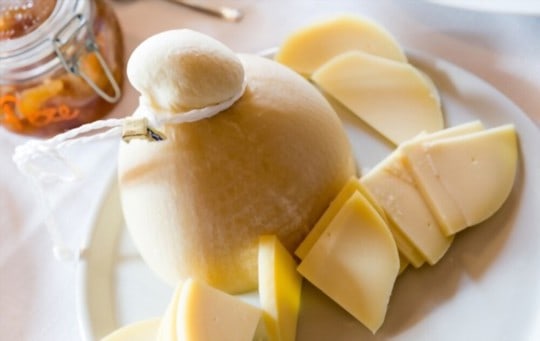
When you buy this cheese, it has a labeled date on it - for comparable cotija timing and handling, see cotija cheese shelf-life details.
That date indicates the time period till which one can use the cheese without losing its quality.
Once the labeled date is passed, the cheese will be fine to eat however, this might not offer a similar taste as before.
If we talk about the usual shelf life of provolone cheese, then an unopened pack can serve for about two months if kept in the refrigerator.
On the other hand, an opened pack will only be fresh for up to 3 weeks.
If anyone desires to preserve provolone cheese for more extended periods, they can put this in the freezer.
After freezing, you can increase its shelf life to 6 to 8 months.
If anyone expects the cheese to last till the earlier provided periods, they need to store it under favorable conditions.
Keeping the cheese under unfavorable conditions can make it go bad even before its best-by date.
Therefore one must pay attention and provide them with suitable storage measures to retain quality shelf life.
After freezing, one must keep the cheese at room temperature for defrosting instead of direct usage.
How to Tell if Provolone Cheese Has Gone Bad?

- Foul Odor
The most noticeable change to look for is the smell of the cheese.
Initially, when the cheese is fresh, this does not give any odor.
However, when you store the cheese for a prolonged period, then this develops a foul odor.
So if the provolone cheese has a foul or unpleasant odor, then you should discard it as it's not edible anymore - for how smell and time signal spoilage in blues, consult blue cheese spoilage timeline.
Be sure that the smell is strong as sometimes, because of bad storing; it develops a mild odor.
- Mold Growth
If there is mold visibility on the cheese's surface, then one should avoid its consumption.
The surface will develop white or grey spots that indicate bad cheese.
Mold growth happens when the cheese has prolonged exposure to bacteria and moisture.
Thus it has become inedible and contains toxins that can make you sick.
You can cut it into slices and see if only a specific area is affected; then, you can have the not-moldy area.
- Discoloration
Fresh provolone cheese has yellowish- white color, but it will change if you keep it stored.
Thus it can be a good sign to identify bad cheese.
When the cheese gets rancid, then it bright color becomes dull.
You will find that out that its color has become darker.
How to Store Provolone Cheese?

- Avoid Storage at Room Temperature
If you want to save the cheese from earlier spoilage, then avoid keeping it at room temperature.
That is because long storage in the pantry can lead the cheese to mold and freeze burns.
At high temperatures, bacteria develop quickly; thus, one must not keep the cheese at high temperatures for a long time.
- Add a Plastic Wrap
When you are keeping cheese in the fridge or freezer, then you should add a wrap around it.
Adding a wrap will protect other food items from getting on cheese.
Also, you easily prevent impurities and avoid excessive exposure to air.
This will help your provolone to avoid moisture, and one can preserve it for an extended period.
- Refrigeration
For keeping the cheese intact for a prolonged period, refrigeration is the best way.
That is because you can avoid high temperatures, direct sunlight, and bacteria.
At cold temperature oxidation process slow down as bacteria and microorganism does not develop in a cold area that easily.
cottage cheese shelf-life guide explains freshness signs and timelines for soft cheeses. mac and cheese storage times outlines how long prepared pasta-and-cheese dishes stay safe and tasty.
Frequently Asked Questions
People frequently use provolone cheese; thus, you will find it stored in their fridge. However, while storing, they begin to think about how long people can store the cheese or do ...
Keep it sealed and away from heat, light, and moisture. An airtight container in a cool, dark pantry or the refrigerator typically gives the longest shelf life.
Once opened, exposure to air speeds oxidation and moisture loss. Transfer to a sealed container if the original packaging cannot be resealed, and use within the timeframe listed on the label.
Check the packaging. Many products are shelf-stable unopened but require refrigeration once opened.
Room temperature storage is only safe when the product is specifically formulated for it.