
There might not be a day when people did not include cottage cheese in their diet.
This food item is healthy, tastes and easy to get; thus, you will find it in every household.
There are numerous ways by which one can add them to your diet, including snacks, starters, curry and many others.
When you store them for a lot of time, they will not get a similar texture and taste.
That makes people think that do cottage cheese go bad.
No matter what types of cheese anyone has, they all have a certain period of life, after which they will develop changes in their texture.
Cottage Cheese Storage Duration
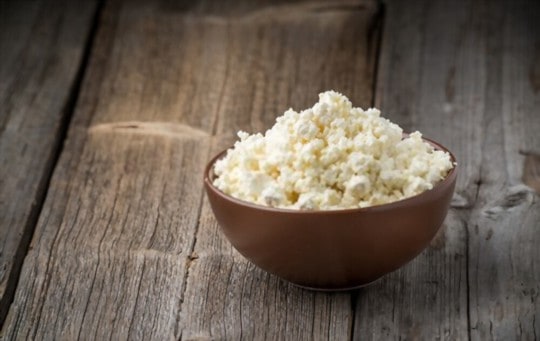
Yes, this cheese also goes bad when a specific time passes away - similar to cotija shelf-life explained.
Over time it loses all its quality and declines in taste too.
Therefore you should know about the distinct shelf lives of cottage cheese.
One thing that you need to avoid while keeping this cheese is storage in the pantry.
Storage in a pantry and places with warm temperatures can make your cheese go bad within hours.
Thus it is better to store it in the fridge and freezer as they can prolong the storage of your cheese.
By keeping it in the fridge, they can live an expected life of 10 days if the packet is not opened.
But if you have open packaging and have its leftovers, then they will only last for seven days.
People who are deciding to not use it for weeks, then the freezer can help you to retain its quality.
It can help you store your open cheese pack for eight weeks.
If the packet is closed, then one can use their cheese even for months.
Beyond this, better storage can also help you retain the cheese for a more extended time.
You must also be aware of the ways to find bad cheese.
Storing it can go bad even if the expected date is not passed.
How to Tell if Cottage Cheese Has Gone Bad?
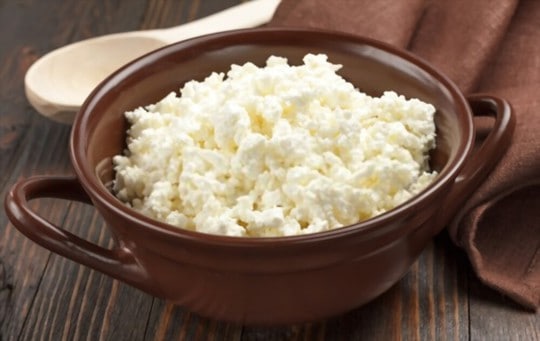
- Have a Close Look.
Before you eat the leftovers of your cheese, you should offer a close look at it.
If you are able to notice any change from the time when you bought it, then it has gone bad.
A significant change you can look for is colour alteration - see blue cheese aging signs guide for similar discoloration cues in mold-ripened cheeses.
When the colour of the cheese is not similar, or it is not smooth enough like before, then you should avoid having it.
- Smell.
Fresh cottage cheese smells so good that its aroma is hard to resist.
But as soon as it gets affected or goes bad, that aroma will become a foul smell.
That is your indication that you should throw the cheese out.
- Texture.
One can also check the texture of their cheese now and compare it.
Fresh cheese is pleasant and smooth, but if it has gone bad, it will become firm over time and lose its smoothness.
When you find that it becomes firm, you can cut it into slices, as it is not necessary that the whole texture will become bad.
- Taste.
If you are not so sure, then you can try tasting it.
One can feel a grainy texture and bad taste while tasting if the cheese is not edible anymore.
The light and creamy texture will not be there if it is not good for eating.
How to Store Cottage Cheese?
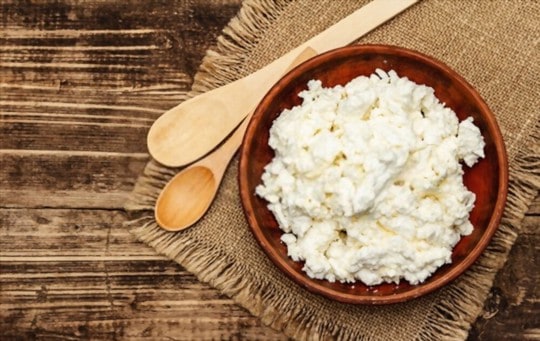
- Keep It in the Fridge.
Using a fridge is essential for long-term storage as they allow your cheese to be fresh for a long time.
That is because it provides a cool temperature that will save your cheese from drying out and does not let the contamination process go faster.
- Storage in Freezer.
If your cheese gets bacterial infection every time you buy it, then you can try the freezer.
Freezing can help you to minimise that risk and keep the contaminations away.
- Airtight Container.
When storing any cheese, you have to be sure that the box in which you are keeping it should not damaged.
Because that place can let your cheese go bad, thus it would be best to place the cheese in an airtight container.
Frequently Asked Questions
There might not be a day when people did not include cottage cheese in their diet. This food item is healthy, tastes and easy to get; thus, you will find it in every household.
The...
Check the packaging instructions. Many products are shelf-stable until opened, then require refrigeration to prevent bacterial growth.
Can you use it past the expiration date?
Best-by dates indicate peak quality, not safety.
Many shelf-stable products remain safe beyond that date if stored properly and show no signs of spoilage - always check before using.
Homemade versions typically have a shorter shelf life due to the absence of preservatives. Use them faster and store in the refrigerator even if the commercial version is shelf-stable.
Shelf-life specifics vary by cheese type. mac and cheese shelf-life details explains timelines for prepared dishes. shredded cheese shelf-life guide shows how storage differs for pre-shredded options.