
Do you get confused while buying a pack of shredded cheese because you are not sure how long it can serve us?
Whenever anyone makes snacks, cheese is added in that, but the cheese does not offer a similar taste every time.
Then we think do shredded cheese go bad, or how long can one store this without losing its potency?
The taste of cheese will alter if anyone stores it for a long time.
That is because, during storage, these will encounter various factors that degrade their freshness and quality.
Thus, one must not store shredded cheese in bad condition, as this will go bad earlier than expected.
How Long Shredded Cheese Stays Fresh

One needs to understand that the quality, storage, and type of cheese have a massive impact on the shelf life of the cheese.
Therefore you must know about the shelf lives of different kinds of cheese - including cotija cheese shelf life details for comparison - so you can use them until they offer their best quality.
The shelf life for an unopened store-bought bag will be 1 to 2 weeks after the best-by date.
Some people consider the best-by date as the shelf life, but this is an estimated date that explains the time period until cheese holds its quality peak.
However, the cheese is entirely safe, even beyond the best-by date but might not serve you the quality you are expecting.
For prolonged storage, one must not open the package of cheese as it will begin to deteriorate.
Thus the opened store-bought cheese cannot be preserved for too long and have a shelf life of 3 to 5 days.
When you are storing homemade cheese then, the shelf life depends on the state of the ingredients you are using, but on average, they can be stored for 3 to 5 days.
The cheese should only be kept in the fridge as it cannot endure the high temperature of the pantry.
How Do You Tell if Shredded Cheese Has Gone Bad?
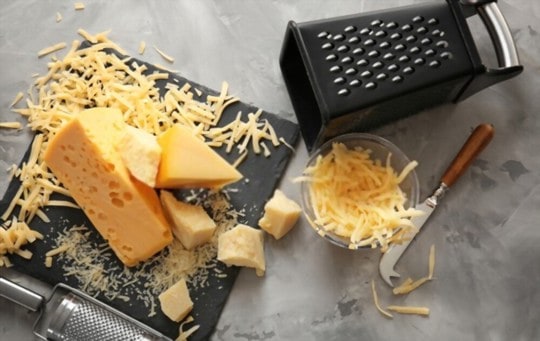
- Do Not Use Prolonged Cheese
There are times when we know that the cheese is stored for a long time but still does not want to waste it.
But using bad cheese can make your entire recipe go bad; thus, one must not use sour cheese as it can cause you several illnesses as for long storage it gets contaminated.
- Growth of Molds
One needs to be sure and look for mold when figuring out whether the cheese is still edible, as with blue cheese storage and spoilage signs that clearly indicate when to discard it.
During storage, sometimes the pack gets moisture or bacteria, because of which you can see molds on the cheese.
If you can see spots or molds on the cheese's surface, it indicates that the cheese has gone bad.
- Off Smell
More extended storage will affect the taste and smell of the cheese, so a quick sniff test can help you to find out bad cheese.
If the cheese is fresh or still edible, it offers a cheesy aroma.
However but if the cheese provides a foul or off smell, then be sure to throw it out as it is a sign of spoilage.
- Moisture or Wet
You can see if there is any change in the texture of the cheese like it does not melt that quickly at room temperature.
But if it looks moist or wet, then it indicates that it's an early sign of spoilage.
Therefore check the cheese before using it.
How to Store Shredded Cheese?

- Clean Hands Before Shredding
While making homemade cheese, your hands must be clean.
That is because if you shred the cheese with dirty hands, then it will get contaminated.
Thus you will not be able to use it for an extended period, and it will go bad in no time.
- Seal the Container Properly
When storing the cheese, you need to seal the container properly.
Otherwise, air and moisture will make your cheese degrade earlier, and one cannot enjoy it for a more extended period.
While storing an unopened pack, you do not need anything as it's entirely sealed, but once the pack is open, then it will only be stored in an airtight container.
- Use Dry Spoon
There are times when you are in a hurry or use a wet spoon for your convenience.
But this can affect the quality of your cheese as it will get fungal and bacterial growth.
The moisture or dirt will be absorbed by cheese as time passes, and your entire jar will go bad.
So one should only use a dry and clean spoon to take the cheese out.
Shelf-life needs differ by cheese type: cottage cheese storage guide for freshness explains how long cottage cheese keeps. For prepared dishes, mac and cheese shelf-life tips covers safe storage and reheating recommendations.
Frequently Asked Questions
Do you get confused while buying a pack of shredded cheese because you are not sure how long it can serve us? Whenever anyone makes snacks, cheese is added in that, but the cheese ...
Check the packaging instructions. Many products are shelf-stable until opened, then require refrigeration to prevent bacterial growth.
Best-by dates indicate peak quality, not safety. Many shelf-stable products remain safe beyond that date if stored properly and show no signs of spoilage - always check before using.
Homemade versions typically have a shorter shelf life due to the absence of preservatives. Use them faster and store in the refrigerator even if the commercial version is shelf-stable.