
Amaranth may not be something that many people consume on the daily.
It could be the first time you've heard about this seed plant.
For many communities across the globe, the plant is considered a weed.
However, the plant is slowly growing in popularity because of its nutritional benefits for people.
With so much protein and fiber packed into such tiny granules, it's hard to ignore the potential of this grain.
It's probably why the Aztecs and Mayans used this seed for many of their meals and ceremonial practices.
This is a must for anyone who loves to eat grains and cereals.
It's a flexible ingredient that can be included in many dishes.
Here's all you need to know about amaranth, including what does amaranth taste like.
What is Amaranth?
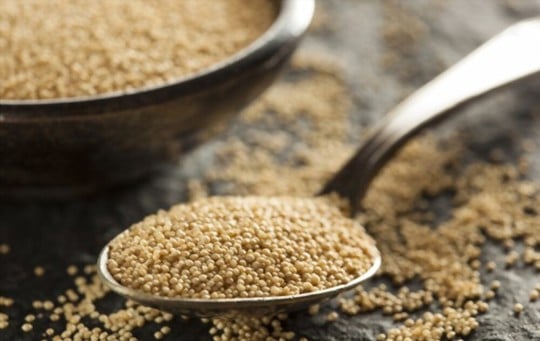
This grain has been cultivated and used in the Americas for thousands of years.
It's prized for its rich protein and fiber content and was used in many rituals.
The grain is categorized as a pseudocereal and is a true seed.
The plant is part of the family of Amaranthus and is closely related to the spinach plant.
Currently, China is the highest producer of this seed in today's world.
It's also often referred to as Chinese spinach and pigeon weed.
About sixty to seventy varieties can be harvested and eaten by humans.
The plant can adapt quickly to climates and grows as a weed in most places.
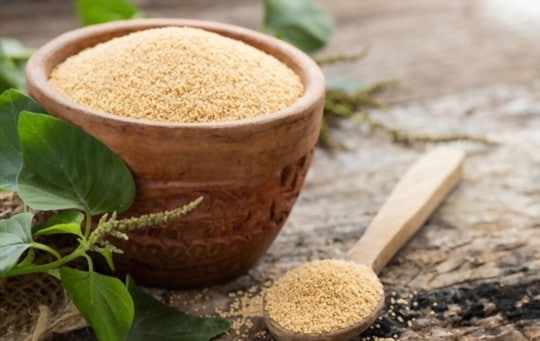
The seeds of the plant are yellow and tiny in size.
Close comparisons are made to quinoa and sesame because they look the same.
They can also be used as a substitute for similar grains and cereals; however, the taste of the amaranth is very distinct.
If using amaranth in sweets, consider complementary citrus notes - lemon dessert pairing ideas suggests flavors that work well with bright, tangy accents.
Curious how another vibrant flavor compares? acai berry taste guide reveals how that berry's profile stacks up.
What Does Amaranth Taste Like?
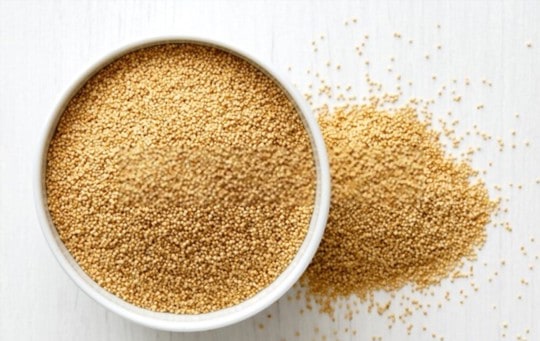
The grains can change in texture and taste depending on the way it is cooked.
Amaranth can be eaten like a thick paste or you can make it soup like.
You can serve the grain as a side dish similar to rice and millet or serve it like soup along with meat dishes.
The amaranth seed is nutty in taste.
Although similar in looks to quinoa, it's often compared to barley and wheat berries in taste.
It's pretty granular in texture but becomes sticky and creamy when cooked for an extended period.
If you're one of the few who have tasted the cereal and have found yourself thinking it tastes familiar, you may be on to something.
The plant is related to the spinach family, and thus they tend to have the same flavor notes.
However, the amaranth is sweeter and has a milder, more neutral taste.
As mentioned earlier, the plant contains many other vitamins and minerals and is an excellent source of fiber and protein.
They are a great source of calcium, zinc, iron, vitamin B6, amino acid lysine, folate, phosphorus, etc.
Also, it's known as one of the few sources of phytochemical squalene, which reduces cholesterol and helps fight cancer.
Since the grain is primarily neutral in taste, it's a great add-on to rich dishes that require components to help strong flavors.
It can be consumed as a sweet porridge or as a savory snack.
You can also add seeds to soups and broth as a natural thickener, boosting your meal's nutritional value.
How to Cook Amaranth?
Have you ever enjoyed a plate of khuskhus or semolina with your meals? If you have and are a fan of both, you'll enjoy eating the amaranth seeds.
They are an ideal pairing with meat and other hearty dishes - or try 22 veggie sides under 12 minutes to round out the plate.
The amaranth plant is still unknown to many people worldwide, but that's about to change soon.
It is slowly gaining popularity because of its nutritional value.
Those who are already accustomed to eating this gran will know it's best served as a porridge.
Some communities eat it as a breakfast item since it's strong and can sustain a person for a long time.
Many even prefer to add it to their soups as a thickening agent.
The seeds are sweet to taste but have an overall neutral flavor.
This feature of the grain makes it great as an accompaniment to strongly flavored dishes.
The leaves of the plant are also edible and can be used as a substitute for spinach since they taste similar.
They also have great nutritional value giving you the benefits of a number of minerals and vitamins.
Amaranth Flavor Characteristics
The amaranth may be the protein and fiber source you have been looking for in your diet.
There are a lot of great nutrients it offers, and it's a natural zero-carb food source.
No wonder it's slowly becoming a favorite amongst health enthusiasts.
It's a plant that's easy to grow anywhere, and the seeds can be stored for long durations.
Even the leaves are edible and highly nutritional.
It's time that people start paying attention to this high-fiber food and giving it the credit it deserves.
Amaranth often gets compared with other grains for cooking swaps and texture. Millet vs Amaranth comparison breaks down the differences. best amaranth substitutes list shows practical replacements when a recipe needs a swap.
Frequently Asked Questions
Here's all you need to know about amaranth, including what does amaranth taste like. It's prized for its rich protein and fiber content and was used in many rituals.
They can also be used as a substitute for similar grains and cereals; however, the taste of the amaranth is very distinct.
Some people enjoy Amaranth right away while others need a few tries. The flavor can grow on you, especially when paired with familiar ingredients in a dish you already like.
Does it taste different depending on how it is prepared?
Preparation makes a significant difference.
Raw, roasted, fried, and steamed versions each bring out different qualities - sweetness, bitterness, earthiness, or richness - in the same ingredient.
Yes. Different cultivars, origins, or processing methods produce meaningful flavor differences.
If one version did not appeal to you, trying a different variety is worth the effort.