
Summary of key points
Millet and amaranth are both gluten-free grains that offer a variety of health benefits. However, they have some key differences in terms of taste and nutrition.
Millet has a mild, nutty flavor and is rich in nutrients like iron, magnesium, and B vitamins. Amaranth has a slightly earthy taste and is packed with protein, fiber, and calcium.
Both grains can be used in a variety of dishes, but amaranth is often preferred for its thickening properties, while millet is known for its light and fluffy texture. Ultimately, it comes down to personal preference and how you plan to use the grains in your meals.
Millet and amaranth might not be your everyday kitchen staples. Bold fact: These grains are ancient!
Amaranth is tiny, yet mighty. Think of it as the small but fierce warrior of grains.
Millet? It's the underdog.
T4Truly versatile.T5
We once made the mistake of confusing the two at a dinner party. Embarrassing, right?
Learned our lesson. Now, we're here to share it, so you don't have to go through the same.
Each has its own superhero powers. Amaranth has protein, making it a hit for vegans.
Millet, on the other hand, is your go-to for magnesium.
Get ready. We're diving deep, but we promise to keep it light and fun.
What is Millet?
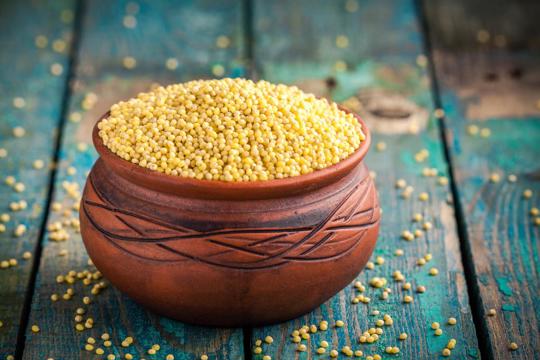
Millet is becoming popular for its taste and health benefits.
This ancient grain originated in Africa and Asia.
It's gluten-free and packed with fiber, protein, and other nutrients.
There are various types of millet, such as pearl, foxtail, finger, and proso.
Its small size and mild flavor make it perfect for savory and sweet dishes - for dessert pairings, see lemon dessert pairing ideas that complement mild grains.
For centuries, millet has been a staple in many cultures.
It offers magnesium, phosphorus, copper, manganese, and antioxidants.
Plus, lignans and phenolic compounds, which may reduce the risk of heart disease and cancer.
You can use millet as a substitute for rice or quinoa in pilafs or salads.
Grind it into flour to make gluten-free breads or muffins.
Or pop it like popcorn for a healthy snack.
It has a subtle nutty flavor which improves recipes.
Another great thing about millet is that it's drought-resistant.
It needs less water than wheat or rice.
This makes it valuable for regions facing water scarcity or climate challenges.
What is Amaranth?
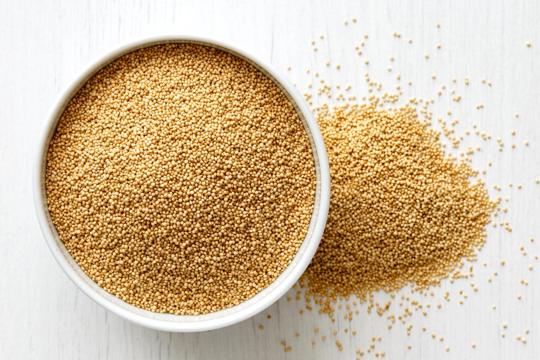
Amaranth, an ancient grain cultivated for millennia, is becoming popular in modern cuisine.
It's packed with nutrients and offers a unique texture and flavor.
Plus, it's high in protein, fiber, iron, and magnesium.
This gluten-free pseudo-grain has a bright reddish hue that makes it visually appealing.
Amaranth has a deep-rooted cultural history.
It was first grown in Central America by the Aztecs and other indigenous civilizations, and was used in religious ceremonies and rituals.
When Europeans colonized the area, they suppressed amaranth cultivation due to its association with pagan rituals.
Despite this, it survived through small-scale farming practices.
Now, amaranth is back and gaining attention for its nutritional value and versatility.
Amaranth is highly adaptable and can be boiled or steamed like rice, added to stews and soups, or used as a gluten-free flour substitute in baking.
It adds an interesting flavor and texture to salads, veggie burgers, and chicken tenders.
Its nutty flavor and pleasantly chewy texture make it a nice treat for the palate.
Differences Between Millet and Amaranth
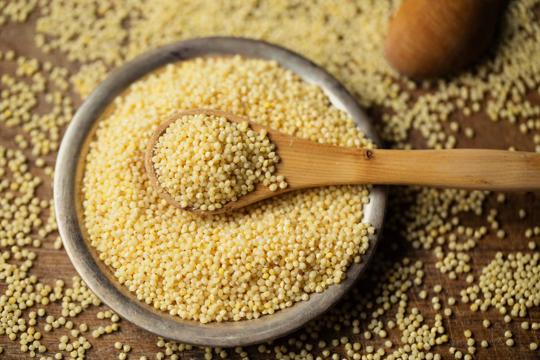
Millet & amaranth are two popular grain alternatives with different characteristics - compare amaranth vs quinoa comparison to see how amaranth stacks up against another pseudocereal.
Origin and History
Millet and amaranth have exciting histories.
They have been passed down for centuries and accepted by many cultures.
These grains have stood the test of time and adapted to modern tastes.
Millet's origins are in Africa and Asia - it has been a staple food for thousands of years.
It can survive in different conditions - from drylands to high altitudes.
It has given sustenance to communities facing testing climates.
Amaranth comes from the Americas.
Ancient civilizations like the Aztecs and Incas recognized its nutritional value and used it in their diets.
Its seeds were even used in religious ceremonies.
Recently, millet and amaranth have seen a resurgence due to their health benefits and culinary options.
They are gluten-free, giving them appeal for those with gluten sensitivities or celiac disease.
Also, they are packed with nutrients like protein, fiber, vitamins, and minerals.
Nutritional Composition
Nutrition needs special attention. Comparing millet and amaranth reveals they have diverse nutrition profiles.
Millet is a small grain, mild-tasting, with plenty of protein, plus all nine essential amino acids.
It's also full of dietary fiber, aiding digestion and a feeling of fullness.
Amaranth has its own benefits.
It's a great source of iron, essential for oxygen transport and energy.
Plus, it's rich in calcium, promoting strong bones and teeth.
Plus, antioxidants help fight oxidative stress and inflammation.
Even though millet and amaranth are both beneficial for balanced diets, they are different.
People aiming to increase protein and fiber intake could choose millet.
Amaranth is better for those needing more iron or antioxidants.
For a savory, umami boost that complements grain-based dishes, try using nutritional yeast taste guide to match flavors.
Flavor and Texture
Comparing millet and amaranth, one thing stands out - their different flavors and textures - and for a deeper look at how concentrated tastes compare, see extract vs flavor differences.
Millet has a mild, nutty flavor and a light crunch which makes it great in many dishes.
Amaranth meanwhile has a slightly earthy, sweet taste and a delicate texture.
Millet's flavor has been compared to corn or wheat, but with its own twist.
Cooking can change its texture from soft and fluffy to crunchy.
It can be used in porridge, salads, or even as a rice substitute.
Amaranth has a more noticeable flavor like spinach or beets.
Its texture is chewy and enjoyable in soups or pilafs.
It also has gelatinous properties when cooked a long time, which can be great for thicker sauces and puddings.
Culinary Uses and Preparations
Millet and amaranth have lots of uses in the kitchen.
Both grains can be cooked as a side dish or added to soups, stews, and salads.
Millet is mild; amaranth has an earthy taste.
Millet can also be popped like popcorn, or used as a gluten-free alternative to breadcrumbs.
Amaranth's gel-like texture works well for thickening soups and sauces.
Plus, you can sprout them both and enjoy them raw.
With their versatility and flavors, millet and amaranth offer lots of possibilities.
Similarities Between Millet and Amaranth
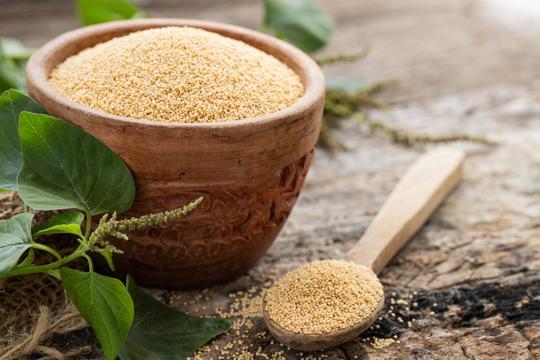
Two gluten-free grains, millet and amaranth, have many things in common.
They have been around for centuries and contain a lot of nutrients, like fibre, protein and minerals.
Plus, they take only 15-20 minutes to cook, making them quick and easy meal options.
Millet and amaranth are also known for their potential health benefits.
Antioxidants, heart health and inflammation are all supported by consuming them.
Both grains have a low glycemic index, which means they have a minimal impact on blood sugar.
Still, there are certain differences between the two.
Millet comes in various types, such as pearl millet, foxtail millet and finger millet, each with its own flavor and texture.
Unlike millet, amaranth is not a grain but a pseudocereal, like quinoa and buckwheat.
Also, its seeds are smaller and have a nutty flavor.
Millet and amaranth have several similarities but also some unique characteristics.
If a recipe calls for millet flour, millet flour substitutes list outlines five alternative flours to try.
Health Benefits of Millet and Amaranth
Millet and amaranth are two nutrient-packed grains that provide a range of health advantages.
Due to their exclusive nutrition profiles, these ancient grains are becoming more popular among health-minded individuals.
- Millet is a gluten-free grain that contains plenty of fiber, protein, and essential minerals like magnesium, phosphorus, and iron. It generates long-lasting energy, helps digestion, and helps maintain healthy blood sugar levels.
- Amaranth is a complete protein source that possesses all required amino acids. It's loaded with antioxidants, vitamins, and minerals such as calcium and potassium. Amaranth boosts heart health, supports brain activity, and strengthens the immune system.
- Both millet and amaranth are low in calories and fat while being high in nutrition. They are also excellent sources of complex carbohydrates, which supply steady energy throughout the day.
Also, millet is acknowledged for its alkaline properties which assist in balancing the body's pH levels.
This can be helpful for those with acidic diets or conditions like acid reflux.
In contrast, amaranth has a higher amount of lysine than most grains.
Lysine is an essential amino acid that plays a significant role in collagen production for healthy skin and tissue repair.
To conclude, including millet and amaranth into your diet can bring many health benefits due to their nutrient-rich nature.
These grains can improve overall well-being by improving digestion, fortifying heart health, boosting immunity, and providing essential vitamins and minerals for the body's optimal functioning.
Millet is a gluten-free grain that contains plenty of fiber, protein, and essential minerals like magnesium, phosphorus, and iron - or find 5 best substitutes for millet when millet isn't available.
Incorporating Millet and Amaranth into Your Diet
Millet and amaranth are ancient grains with unique tastes and health advantages.
Millet has a subtle flavor that works in sweet or savoury dishes.
Amaranth's nutty taste is great for porridges, salads or even as a flour alternative for baking - check 5 best substitutes for amaranth if a recipe needs swaps.
Plus, they have fiber, protein and important minerals.
Why not explore the amazing ancient grains?
Replacing rice or pasta with cooked millet or amaranth is an easy way to start.
Sprinkling toasted millet over salads adds crunch.
Blending amaranth in smoothies gives a protein boost.
Millet is gluten-free, making it suitable for gluten-sensitive or celiac people.
It's rich in antioxidants to protect against illnesses like heart disease and cancer.
Amaranth has lysine, an essential amino acid not found in other grains.
It's packed with calcium, iron, magnesium and phosphorus.
Millet and amaranth diversify meals, improve digestion, aid weight loss and enhance heart health.
So for your next meal, try adding millet or amaranth for a unique twist.
Nutritional and Culinary Differences: Millet vs Amaranth
The main difference between millet and amaranth is that millet is grass and amaranth is a grain.
They both come in many forms, from whole grain to flour, so they can be used in different dishes with ease.
Millet has a mild taste while amaranth has an earthy flavor.
Both are naturally gluten free, high in fiber and protein, and low glycemic index carbs which make them great for those looking to watch their glycemic intake.
Also, both these grains offer numerous health benefits like aiding in digestion, boosting heart health and improving blood sugar levels.
Ultimately, choosing one over the other really depends on your preferences as well as which flavors you desire in a dish.
Regardless of what you decide on, either millet or amaranth will leave you feeling satisfied.
For broader comparisons and substitutes, see amaranth vs quinoa comparison for another pseudocereal comparison. For baking and flour swaps, millet flour substitutes list suggests workable alternatives.
Frequently Asked Questions
However, they have some key differences in terms of taste and nutrition. They share some similarities but each has qualities that make it better suited for certain recipes.
In many recipes, yes. Millet and Amaranth fill similar roles, though each brings its own character.
Try a small test batch before committing to a full swap.
Availability varies by region. One is usually a standard grocery store item while the other may require a specialty or international market depending on where you live.
Can a beginner tell the difference by taste?
In a side-by-side tasting, yes.
The difference becomes less obvious when mixed into a recipe with other ingredients.
Most people notice the distinction more clearly on its own.