Summary of key points
The main difference between amaranth and quinoa lies in their origin and shape. Amaranth is a grain that originated in South America, while quinoa is a seed from the Andean region.
In terms of appearance, amaranth is small and round, while quinoa is known for its tiny flat disks.
In terms of nutritional value, both amaranth and quinoa are considered superfoods due to their high protein and nutrient content. However, amaranth has a slightly higher percentage of protein and is also a good source of iron.
Another distinction is their cooking methods. Quinoa can be cooked like rice on the stovetop or using a rice cooker, while amaranth requires a different method of simmering in water until it becomes soft and creamy.
Regardless of your preference, both amaranth and quinoa are flexible ingredients that can be used in a variety of dishes such as salads, soups, and even desserts.
Amaranth and quinoa seem twins in the grain world, right? Wrong.
Amaranth's history is as colorful as its grains. Once sacred in Aztec rituals.
Quinoa? The Inca's "mother grain".
Time-tested, nutrient-packed.
Which one? It's a kitchen standoff.
Amaranth is smaller, quinoa more popular. Yet, both pack a protein punch unlike any other grains.
We've tried. Substituted one for the other. Laughed, cried.
Now, lets lay it out. What truly sets them apart?
What is Amaranth?
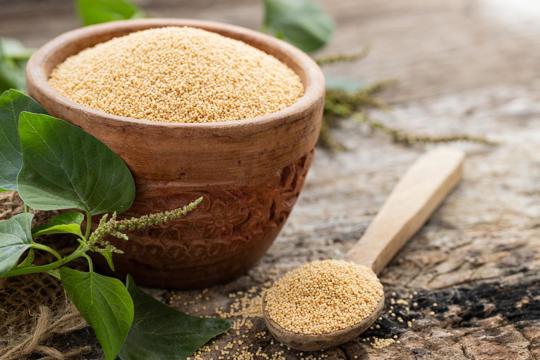
Amaranth is a unique and nutritious grain that's becoming popular.
It originates from Peru and is full of protein, fiber, iron, and calcium.
Its flavor and texture make it a good addition to dishes.
It's different from quinoa.
Amaranth doesn't contain saponins, which can give a bitter taste.
And it has more protein than quinoa.
This makes it great for vegetarians or those wanting to up their protein intake.
Amaranth is also versatile in the kitchen.
It can be used in savory and sweet dishes.
You can cook it as a side or add it to salads.
Or, grind it into flour to bake breads or make gluten-free alternatives.
Plus, amaranth is good for our health.
Its high fiber content helps digestion and maintains bowel regularity.
It also has minerals like iron and calcium, which are good for bones and can help prevent conditions like osteoporosis.
What is Quinoa?

Quinoa is a popular seed-like grain that has recently gained immense popularity.
Packed with protein, fiber, and various vitamins and minerals, it's an ideal addition to any diet.
Its nutty taste makes it a tasty alternative to rice or other grains.
Plus, it's gluten-free - perfect for those with gluten sensitivities or celiac disease.
What's special is its high protein content.
Unlike most plant-based foods, quinoa has all nine essential amino acids - a complete protein source.
That makes it especially beneficial for vegetarians and vegans.
Quinoa is incredibly versatile in the kitchen too.
Use it in sweet or savoury dishes - salads, stir-fries, soups, and even desserts.
Plus, it cooks quickly - convenient for busy people wanting a healthy meal.
Plus, there are various types of quinoa: white, red, black, and tri-color.
White has a mild taste, red a nuttier flavor, and black an earthy flavor.
Each adds unique textures and flavors to any dish.
Quinoa's versatility and nutrition make it a great choice for anyone looking to add nutrient-rich foods to their diet.
It can provide new flavors and textures to meals.
Differences Between Amaranth and Quinoa

You can use both grains in salads, porridge, or as a rice replacement - see millet vs amaranth comparison guide for another grain alternative.
The main differences between them are their taste, texture, nutrition, and how they can be used in cooking.
Origin and History
Amaranth and quinoa have remarkable histories.
Amaranth is thought to have been around for thousands of years.
Aztecs in Mesoamerica ate it and believed it had special powers.
Quinoa came from the Andean region of South America and was grown by the Inca civilization for over 5,000 years.
Both of these grains have been treasured for their hardiness.
The Aztecs saw amaranth as a sacred food.
The Incas called quinoa the "mother grain" and thought it was a gift from the gods.
Amaranth and quinoa's paths diverged after colonization.
Amaranth was forgotten by Europeans, but is now regaining popularity.
Quinoa, however, managed to survive the Spanish colonization and has recently become a world-famous superfood due to its high protein content and unique nutrition.
Nutritional Composition
Amaranth and quinoa are two common grains with distinct nutritional compositions.
Both have essential nutrients, but the protein content, amino acids, and mineral concentration vary.
Amaranth has higher levels of protein and an array of amino acids, while quinoa provides minerals like magnesium, zinc, and iron.
These differences show how unique these health-promoting grains are.
For a different savory, cheesy flavor to add to grain dishes, see nutritional yeast flavor guide for cooking.
Taste and Texture
Taste and texture set amaranth and quinoa apart.
Amaranth has a nutty, earthy flavor, plus a crunchy texture.
Quinoa has a milder taste plus a fluffy texture.
Yet there's more to it than that.
Amaranth has a sweet undertone, not found in quinoa.
This makes it great for both sweet and savory dishes.
Its texture is denser, and chewier than quinoa.
So it has a filling feel in recipes.
Quinoa has a lighter, softer texture.
Its taste is mild and nutty, making it handy for many cuisines.
It can absorb flavors when cooked with different ingredients, giving varied dishs an extra appeal.
If comparing fruit-forward flavors alongside grain notes is helpful, read acai berry taste reveal the flavor for a fruity contrast.
Cooking Methods and Culinary Uses
Cooking amaranth and quinoa is quite different - a similar look at kitchen liquids appears in white cooking wine vs vinegar comparison.
Amaranth cooks quickly, ideal for porridge, soup, and bread.
Quinoa takes longer, a great choice for salads, stir-fries, and as a rice alternative.
Both grains appeal to the health-conscious due to their nutrients.
Amaranth has a mild nutty flavor, good with sweet or savory.
Quinoa has an earthy taste that works with many ingredients.
Amaranth and quinoa both offer delicious possibilities in the kitchen.
Similarities Between Amaranth and Quinoa

Amaranth and quinoa are appealing to health-conscious people.
They are gluten-free and packed with protein plus essential amino acids.
They also contain fiber, vitamins and minerals - see quinoa vs oatmeal breakfast comparison for how quinoa stacks up with a common morning grain.
So, they are ideal for vegetarian and vegan diets or for those wanting more plant-based foods.
Amaranth and quinoa can be cooked in various ways.
Use them as a rice or couscous substitute, as the base for salads or side dishes, or even grind them into flour for baking.
This makes them suitable for a wide range of meals.
Ancient civilizations such as the Aztecs and Incas cultivated amaranth and quinoa for thousands of years.
They thought these grains were sacred due to their nutrients and medicinal properties.
Also, amaranth and quinoa are resilient crops.
They can grow in high altitudes, limited water, and poor soil.
This makes them valuable food sources in regions where other crops struggle.
Health Benefits of Amaranth and Quinoa
Amaranth and quinoa are nutritious grains with a range of health benefits.
They contain essential nutrients like protein, fiber, and minerals.
These grains can help with digestion, heart health, and weight management - a related comparison is quinoa vs pasta nutrition comparison showing calorie and fiber differences.
Plus, their antioxidant content boosts immunity and reduces inflammation.
Amaranth has lysine, an amino acid key for collagen and muscle growth.
It also offers iron, calcium, and Vitamin C, which are good for bones and prevent anemia.
Quinoa is special for its high magnesium that promotes nerve function and regulates blood sugar.
These grains are gluten-free and easy to digest.
They can go in salads, soups, and side dishes.
Amaranth and quinoa are perfect for a balanced diet with lots of flavors.
Where to Buy Amaranth and Quinoa?
Amaranth and quinoa can be found in various stores.
Grocery stores, health food stores, and online retailers all sell these nutritious grains.
Major supermarkets also carry them.
So, if you want the unique flavor of amaranth or the nuttiness of quinoa, you can find them - or explore amaranth substitutes and swaps if a store is sold out.
You can purchase amaranth and quinoa online, too.
Many websites have a variety of grains, including these two superfoods.
So, if you don't want to go into a store, you can get them delivered to your home.
If you're looking for organic options, consider going to local farmer's markets or co-ops.
Here, you can find vendors selling amaranth and quinoa that are grown using sustainable farming practices.
Supporting local farmers is great for freshness and the environment.
Don't forget to read product labels and check for certifications when buying these grains.
Look for labels such as USDA Organic to make sure the products meet standards.
Nutritional Comparison of Amaranth and Quinoa
After reading this article, you now have an understanding of the various differences between these two superfoods.
While both quinoa and amaranth offer many essential nutrients, their digestibility and flavor can vary significantly.
Amaranth is higher in protein than quinoa yet quinoa is richer in calcium, phosphorus and potassium.
Quinoa can feel heavy on the stomache since it's more water-soluble while amaranth takes a longer time to digest as it requires some energy to break down its fatty acids.
Ultimately it depends on your individual taste preference and dietary needs as to which grain fits best into your dietary choices.
Take the time to experiment with both grains to find out what best works for you and enjoy the benefits these ancient grains have to offer.
Healthy baking can use grain flours interchangeably. quinoa flour substitutes for baking lists practical options. demystifying quinoa taste guide explains flavor notes useful when swapping flours.
Frequently Asked Questions
The main difference between amaranth and quinoa lies in their origin and shape. They share some similarities but each has qualities that make it better suited for certain recipes.
It depends on the dish. Amaranth and Quinoa share some overlap, but each shines in different preparations.
Swapping works best in forgiving recipes like soups or stews.
Pricing varies by brand and region, but one is typically more accessible at everyday price points. The other may cost more due to specialization or limited supply.
Is there a best time to use each one?
One shines in applications requiring subtlety and background support.
The other is better when it is meant to be a center.
Matching the right one to its role makes a noticeable difference.