
Have you ever been tasked with the challenge of selecting which type of liquid to choose from a dairy based recipe?
Have you just gone ahead and grabbed what looks like the same thing, thinking that it's all the same?
There is actually quite a bit different between cream and milk.
Do not let those white jugs fool you! Milk and heavy cream are actually quite distinct entities, each conveying differing levels of flavor intensity as well as texture.
If you have ever wanted to make your cakes taste richer or steamed vegetables velvety smooth then it is pertinent that we decipher the difference between these two incredibly cool ingredients.
Let's embark on our journey in understanding how creams differ from milks- never fear because this guide will provide surefire solutions for your next foray into baking delicious delights!
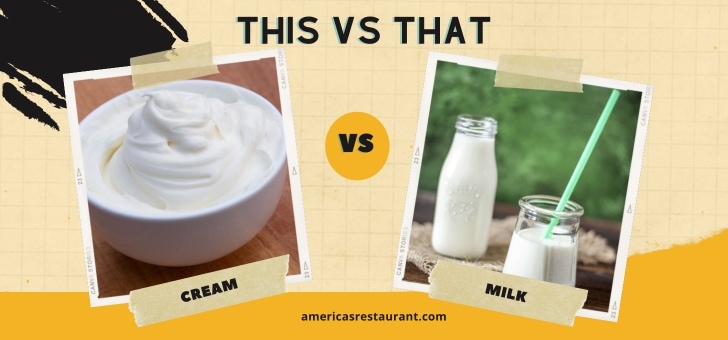
What is Milk?
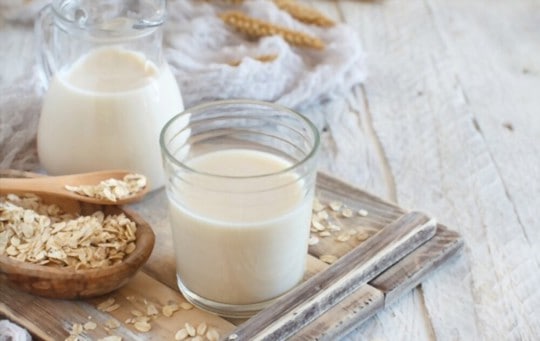
Milk is a nutrient-rich liquid that is produced by mammals, including cows, goats, and sheep.
It contains various nutrients such as calcium, vitamins A and D, and protein.
Milk is an essential part of the human diet as it provides numerous health benefits to both adults and children.
Milk is commonly consumed on its own or used in cooking or baking recipes.
It can also be processed into various dairy products such as cheese, butter, and yogurt.
Milk comes in different varieties such as whole milk, low-fat milk, and skim milk.
Whole milk has the highest fat content while skim milk has the least amount of fat.
Low-fat milk falls somewhere in between.
What is Cream?
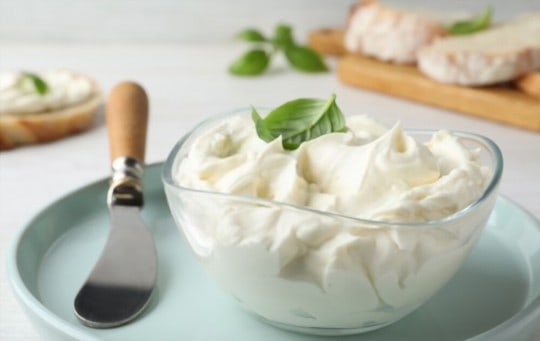
Cream is a dairy product that is made by skimming milk to separate the cream from it.
It is a thick and fat-rich layer that rises to the top of non-homogenized milk.
Cream has various uses in cooking, including as an ingredient for coffee, soup, sauces, and many other dishes.
Cream's composition of high-fat content gives it a unique taste and texture, different from other dairy products like milk.
Cream comes in different varieties such as heavy cream, light cream, whipping cream, half-and-half cream.
Heavy cream contains at least 36% fat; whipping cream has higher fat content than light cream but lower than heavy -about 30%; light creams contain between five to seven percent of butterfat while half-and-half contain between three and five percent.
So those who are looking to reduce their calorie intake may prefer low-fat creams or try substituting them by using whole milk products.
Differences Between Cream and Milk

The differences between cream and milk are quite significant, despite both being dairy products.
A major difference is the fat content, with cream having a much higher fat percentage than milk.
Other differences include texture, flavor and uses.
One of the main differences between cream and milk is their fat content.
Cream has a much higher percentage of fat than milk, which contributes to its thick texture and richer taste.
This makes it suitable for cooking or baking as it gives dishes a creamy consistency.
Also, while both cream and milk come from cows or other mammals, they have different purposes in cooking due to their differing properties.
For example, if you need to make whipped topping vs whipped cream comparison for dessert toppings or mousse reci
Fat Content
Fat content is an essential aspect to consider when differentiating between cream and milk.
Cream and milk have varied levels of fat, which affects their consistency, taste, and nutritional value.
While milk is generally regarded as a low-fat drink, cream has much higher levels of fat making it richer in flavour and thicker in texture.
Whipping cream and double cream contain significantly more fat than any type of milk.
This higher fat content means that creams are denser in texture and have a stronger flavour, making them ideal for cooking or adding to coffee.
It is also worth noting that although whole milk has a relatively high-fat content compared to skimmed or semi-skimmed varieties, it still pales in comparison to even the lowest-fat creams.
So while whole milk may be considered 'full-fat', it is still much lower in fat than its cream counterparts.
Overall, understanding the differences in fat content between cream and milk is important in determining how they can be used in cooking or enjoyed as a beverage.
Fat percentage matters in dairy choices - whole vs low-fat buttermilk comparison for baking explains how fat level changes performance in recipes.
Calorie Content
Calorie content refers to the amount of energy that a particular food contains, which gets converted into energy in the body when consumed.
While both cream and milk are dairy products, they differ in their calorie content due to variations in their fat content.
Heavy cream has a much higher calorie count than whole milk.
This is because heavy cream has a higher fat content, which contributes to its increased calorie content per serving.
If you are looking to reduce your calorie intake, it might be worthwhile to switch from using heavy cream to whole milk in your recipes.
However, note that whole milk still contains some amount of fat and therefore should be consumed in moderation.
All dairy products contain varying amounts of calories based on their nutritional profiles.
So if you are watching your weight or trying to reduce your calorie intake, it is always beneficial to keep an eye on the serving size and calorie count of each product.
Texture and Flavor Comparison
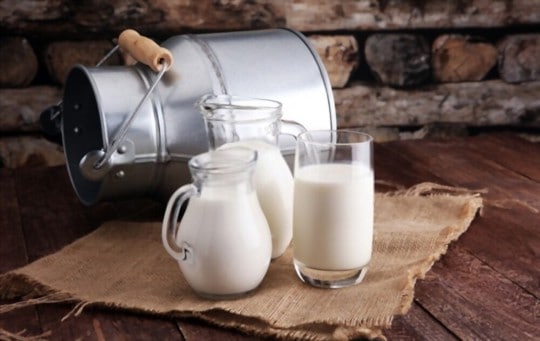
There are some noticeable differences between cream and milk.
Cream has a thick and rich consistency, while milk is thinner and more watery.
This difference in texture can also affect the flavor of the two dairy products.
Cream has a higher fat content than milk which contributes to its thicker consistency.
This also makes it perfect for whipping into light, airy peaks or creating luxurious sauces that coat your tongue in smooth bliss.
In contrast, milk's lower fat content gives it a lighter mouthfeel which lends itself well to simple drinks or baked goods.
Cream's richness adds a decadent element - making it delicious on its own or as an ingredient in desserts.
Meanwhile, milk's more subtle sweetness makes it an excellent base for adding flavors like chocolate or caramel without overwhelming your palate.
Overall, while both cream and milk come from cow's milk, they have significantly different textures and tastes due to varying amounts of fat content.
These differences play a big role in determining their uses in cooking and baking.
Texture and taste interact with added seasonings - extract vs flavor comparison guide outlines how concentrated extracts alter flavor perception.
Cooking and Baking Differences
Cream and milk have their own unique uses.
While both can be used in many recipes for added moisture and richness, they do differ in a few key ways.
When using cream in recipes, there are different types of cream available with varying fat contents.
For example, heavy cream has the highest fat content (36-40%), followed by whipping cream (30-36%), light creams (20-30%), and finally half-and-half (10-18%).
Depending on what you're making, you may need to choose the right type of cream for the best results.
Milk is also available in different varieties - from skim milk to whole milk - depending on how much fat you want.
Low-fat or non-fat milks can sometimes affect the texture or flavor of your recipe since they have less fat than whole milk.
Overall, whether you use cream or milk will depend on what you're making and your personal preferences.
Both have their own unique properties that can add moisture and richness to your cooking and baking.
Choosing the right acidic or alcoholic ingredient affects finished dishes - white cooking wine vs white wine vinegar breakdown shows when each suits a recipe.
Types of Cream and Milk
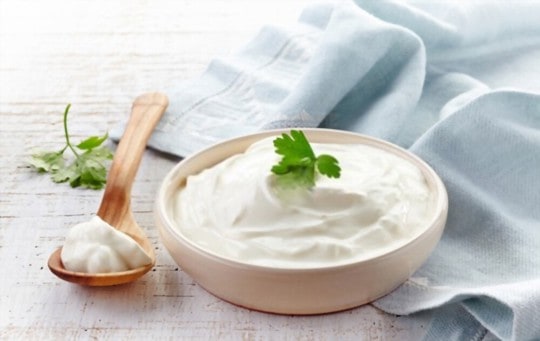
There are many different types of cream and milk that can be used in cooking and baking.
The main difference between cream and milk is the fat content.
While milk contains around 3-4% fat, cream can contain anywhere from 18% to 40% fat.
Whole milk and skim milk are the most commonly used types of milk in cooking and baking.
Whole milk is great for adding richness to recipes like macaroni and cheese or pancakes.
Skim milk is often used in recipes that require a lot of liquid but no extra fat.
Half-and-half is a combination of whole milk and heavy cream that has a slightly lower fat content than light cream.
It's often used as a creamy addition to coffee or tea or added to soups for richness.
Light cream has a higher fat content than half-and-half but still lower than heavy cream.
It's great for adding texture and flavor to sauces or soups without making them too heavy.
Heavy cream has the highest fat content of all the creams listed and is great for whipping into peaks for desserts like mousse or whipped cream.
It can also be added to savory dishes like pasta sauce for added richness.
With so many different types of cream and milk options available, it's important to choose the right one for your recipe to get the best flavor and texture possible.
Different dairy types yield different frostings and textures - buttercream vs cream cheese frosting comparison illustrates how fat and acidity change final results.
Uses of Cream and Milk in Cooking and Baking
Cream and milk are two common ingredients used in various dishes, desserts, sauces, and baking recipes.
In cooking, heavy cream is preferred over milk for rich flavor and consistency.
It adds smoothness to sauces, soups or curries by thickening them without curdling.
In baking recipes like cakes, pastries or bread, milk helps with the browning process and makes the crust crispy but moist.
Also, it adds richness to dishes like macaroni & cheese.
Substituting one for another can change the taste as well as the texture of the recipe.
For example, while making whipped cream, using regular milk instead of heavy cream won't yield desired results due to lower fat content.
Similarly, replacing whole milk with cream can make a recipe heavier than intended.
So next time you're looking at a recipe that calls for either cream or milk, be conscious of which one you're using based on what kind of dish you want to create.
Stabilizers and leaveners affect texture when substituting dairy - cream of tartar vs baking powder comparison clarifies their different roles in recipes.
Which is Healthier: Cream or Milk?
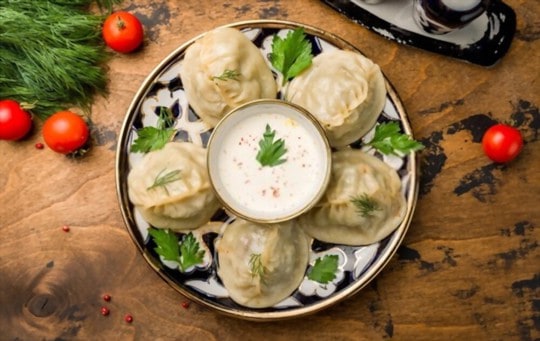
Cream and milk are both dairy products that are widely used in cooking and baking.
While both add richness and flavor to dishes, there is a question of which one is healthier.
In this section, we will discuss the nutritional differences between cream and milk.
Cream has significantly more calories, total fat, saturated fat, and cholesterol than milk.
However, cream also contains more calcium than milk.
Note that the fat in cream is mostly saturated fat, which can increase your risk of heart disease when consumed in excess.
In terms of healthiness, milk would be considered the better option overall due to its lower calorie and fat content.
However, if you need more calcium in your diet and do not have concerns about consuming too much saturated fat or cholesterol, then cream may be a suitable choice.
Nutrient density varies across breakfast options - farina vs cream of wheat comparison explains differences in calories and fiber for morning meals.
Cooking Applications for Cream vs Milk
To make a better-informed decision on which one to choose when cooking or baking, it's important to consider the specific needs of your recipe as well as your own health goals.
If you're looking for a lighter option that still offers a creamy texture, low-fat or non-fat milk might be the way to go.
But if you're prioritizing taste above all else, whipping cream or heavy cream might be a better choice.
By understanding the differences between these two dairy products, you can make an informed decision on which one is right for you - whether that means opting for skim milk or indulging in some heavy cream every once in a while.
Whipped cream cheese behaves differently than regular versions. whipped cream cheese vs regular cream cheese overview explains texture and use differences. creme fraiche vs whipped cream comparison clarifies when to choose cultured cream for richer dishes.
Frequently Asked Questions
Well, there is actually quite a bit different between cream and milk. They share some similarities but each has qualities that make it better suited for certain recipes.
In many recipes, yes. Cream and Milk fill similar roles, though each brings its own character.
Try a small test batch before committing to a full swap.
Availability varies by region. One is usually a standard grocery store item while the other may require a specialty or international market depending on where you live.
Can a beginner tell the difference by taste?
In a side-by-side tasting, yes.
The difference becomes less obvious when mixed into a recipe with other ingredients.
Most people notice the distinction more clearly on its own.