
Cream cheese. It's the hero of breakfasts and the secret to making dips irresistible.
Regular cream cheese packs a rich, smooth texture that's perfect for spreading on a warm bagel.
Whipped cream cheese, on the other hand, feels like spreading a cloud on your toast. Light and airy.
I remember trying to make a cheesecake. The recipe called for regular, and I used whipped.
Big mistake. Huge.
We'll break down the differences for you. No more dairy aisle dilemmas.
This isn't about declaring a winner. It's about making breakfasts and snacks better for us all.
What is Whipped Cream Cheese?
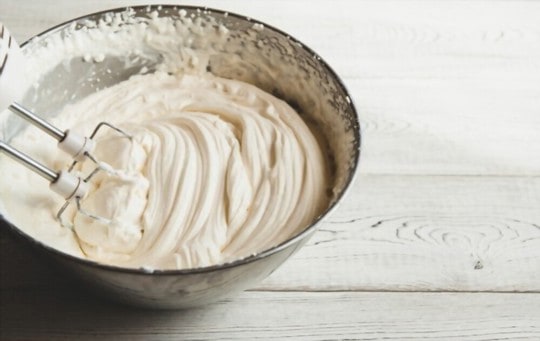
Whipped cream cheese is a lighter alternative to regular cream cheese.
It's whipped with air, making it creamy and spreadable - see whipped topping vs whipped cream comparison for how whipped products differ.
It's great for those who want low-fat and low-calorie options.
Whipped cream cheese is also easier to spread on bagels or crackers than regular cream cheese.
Plus, you can use it as a substitute for heavy cream in recipes like soups and sauces.
However, it won't provide the same thickness as heavy cream.
Also, whipped cream cheese lacks the tangy flavor of regular cream cheese.
In short, both types of cream cheese have their own unique qualities.
What you choose depends on your taste and needs.
If you want something lighter for spreading or baking, choose whipped cream cheese.
And if you want a tangy flavor, go for regular cream cheese.
What is Regular Cream Cheese?

Regular cream cheese is a delicious blend of milk and cream.
Its spreadable texture and subtle tangy flavor make it ideal for bagels, cheesecakes, sandwiches, dips and desserts.
Plus, it has several nutritional benefits.
It's high in calcium and protein and contains healthy fats.
Plus, it's low in carbohydrates, making it perfect for low-carb diets.
But don't forget: regular cream cheese needs proper storage.
Open it within two weeks and unopened, it can last up to six months when refrigerated correctly.
For snack pairings and texture contrasts, Marcona vs regular almonds comparison for snacking highlights which almonds suit spreads and boards.
Differences Between Whipped Cream Cheese and Regular Cream Cheese

Whipped cream cheese and regular cream cheese are two popular spreads.
The difference? Consider which type suits your needs.
Also, the nutritional value and calorie count vary slightly between the two types - compare creme fraiche vs whipped cream differences for similar texture and fat trade-offs.
Keep this in mind when deciding.
Texture and Consistency
Cream cheese is a creamy, spreadable dairy product used in recipes.
Different brands provide variations in texture and consistency - like whipped and regular cream cheese.
- Whipped cream cheese has air mixed in, making it fluffier and lighter. It is good for layering or spreading and has fewer calories due to air.
- Regular cream cheese has a solid consistency and is best for mixing into dips and sauces.
- Both types work on bagels, toast or crackers and have similar fat levels.
Choosing between them depends on personal preference and what the recipe needs.
For inspiration on achieving creamy, airy spreads with plant-based ingredients, see vegan hummus recipes for creamy texture that mimic whipped consistency.
Spreadability
Spreadability is key for those who love cream cheese on bagels or crackers.
Here is a look at why this matters.
- Whipped cream cheese has a smoother texture than regular cream cheese.
- Air incorporated during whipping makes it lighter and easier to spread.
- Regular cream cheese has a thicker consistency, taking more effort to spread.
- It comes down to preference - thin or thick layer?
Flavor and ingredients are also important.
Regular cream cheese can be richer, while whipped often has added ingredients.
So don't just think about spreadability - make sure you're happy with the taste too.
Ingredients Used
Two popular ingredients - whipped cream cheese and regular cream cheese - differ in texture, consistency and taste.
Whipped is lighter, fluffier and spreads easily on bread or crackers.
Regular cream cheese is perfect for baking cheesecakes, dips and frosting due to its thicker consistency.
The ingredients are similar but the process of producing them differs.
Whipped cream cheese has air incorporated during manufacturing which produces a lighter texture.
Which one should you choose? It depends on the recipe and your preference.
Whipped = lighter texture.
Regular = traditional richness and stronger flavor.
Be sure to use each one correctly.
Use whipped for frosting or dips, and regular for heavier batters.
Or mix them together for an adventurous kitchen experience.
Both offer great versatility - explore.
Taste and Flavor
There are two options: whipped and regular.
Whipped has a smooth, airy texture and milder taste, while regular is denser with a tangier flavor.
The choice is up to personal preference and the recipe.
Most recipes work with either type without changing the flavor - see extract vs flavor explanation for baking to understand subtle taste impacts.
Bagels with lox, cheesecake, dips, and sauces all benefit from cream cheese.
For spreading or piping, whipped is easier due to its airy texture.
But for dips or sauces that require a richer flavor, regular is the way to go.
Similarities Between Whipped Cream Cheese and Regular Cream Cheese

Whipped cream cheese and regular cream cheese are two popular spreads found in grocery stores.
They may differ in texture, but share the same tangy taste and smooth finish - similar to whipped butter vs butter comparison where aeration changes feel more than flavor.
Both are made with milk, cream, and additives like salt, stabilizers, and emulsifiers.
They also have the same nutritional content.
Protein, fat, calcium, and vitamins A and D are present in both.
These nutrients give many benefits, such as improved bone density, skin health, and a stronger immune system.
The only difference is calorie content.
Whipped cream cheese has fewer calories than regular cream cheese.
This is because it is whipped with air during production, which adds volume without extra calories.
Uses and Applications
Whipped and regular cream cheese are great for cooking and baking.
Whipped cream cheese is fluffy, easy to spread, and great for bagels or dips.
Traditional cream cheese has a denser texture, a tangy flavor, and is perfect for cheesecakes.
You can use either type in appetizers, spreads, frostings, sauces and more.
Whipped and regular cream cheese have different qualities, making them suitable for different recipes.
Storage and Shelf Life
Proper storage means longer shelf life for food, especially cream cheese.
Whipped cream cheese needs to be eaten sooner than regular cream cheese.
It's best to eat it within two weeks of opening.
Regular cream cheese can last up to four weeks if it's stored in an airtight container in the fridge.
Before using either type, check for mold and any signs of spoilage.
Storing cream cheese at room temp is not recommended.
It can cause bacterial growth and foodborne illness.
Refrigeration and proper storage techniques are key for freshness and safety.
For long-term care tips for specialty items, Himalayan salt block shelf life insights show how storage impacts longevity.
When to Choose Whipped Cream Cheese
Whipped cream cheese and regular cream cheese have their own unique qualities.
Both are great for different dishes and occasions.
Whipped cream cheese is light, airy, has a fluffier texture, and is easier to spread.
Regular cream cheese is denser and more substantial.
Which one should you choose? It depends on personal preference.
Some may like the lightness of whipped cream cheese over the density of regular cream cheese.
Versatility, time spent making it, or refrigeration after opening, choosing which one is better suited for you can be made objectively.
Both provide that creamy tangy flavor for condiments or baked goods.
It all depends on what dish/cards best work with each type's different properties- personal preference, dish type, or dietary concerns.
Cream and milk differ in composition and use; see cream vs milk comparison basics for how they swap in recipes. Frostings vary widely - buttercream vs cream cheese frosting guide breaks down texture and sweetness differences.
Frequently Asked Questions
We'll break down the differences for you. They share some similarities but each has qualities that make it better suited for certain recipes.
In many recipes, yes. Whipped Cream Cheese and Regular Cream Cheese fill similar roles, though each brings its own character.
Try a small test batch before committing to a full swap.
Availability varies by region. One is usually a standard grocery store item while the other may require a specialty or international market depending on where you live.
Can a beginner tell the difference by taste?
In a side-by-side tasting, yes.
The difference becomes less obvious when mixed into a recipe with other ingredients.
Most people notice the distinction more clearly on its own.